


Topic
Invisible learning
Research on learning beyond formal boundaries and the knowledge developed across everyday life.

Activism as learning: When students teach the system a lesson
Activism can be one of learning’s most authentic expressions. It explores how organizing, civic participation, and speaking truth to power develop knowledge and agency.

Invisible learning is an organic process: Breathing, taking root, and becoming one’s self
Most learning unfolds as an organic process: quiet, continual, and often unseen. Like breath or the silent growth of roots, it extends beneath the surface of formal schooling, leaving little trace on a transcript.

Who are knowmads?
Over 20 years ago, I crafted the knowmad concept while a PhD student, investigating the future of work at the University of Minnesota. A few years later, I wrote a blog post with a general definition … and then things took off, catching me off guard.

Cheating the death of imagination: Teaching the unknowable
The idea of a Technological Singularity has been discussed and debated intensely since the early 1990s. Coined by Vernor Vinge and popularized by Ray Kurzweil, the idea is that as technologies evolve, technologies improve, costs decrease; and, in turn, the process of technological evolution advances and speeds itself up, creating a J-curve of exponential, accelerating change.

Invisible learning: The (r)evolution outside of the classroom
Who gets to decide what kids learn? For whose benefit is all this, really?

Why Pokémon Go and Minecraft in the classroom are very bad ideas
It’s “back to school” season in the United States and Europe, and the social media universe is ablaze with ideas on how to harness the Pokémon Go craze in the classroom.
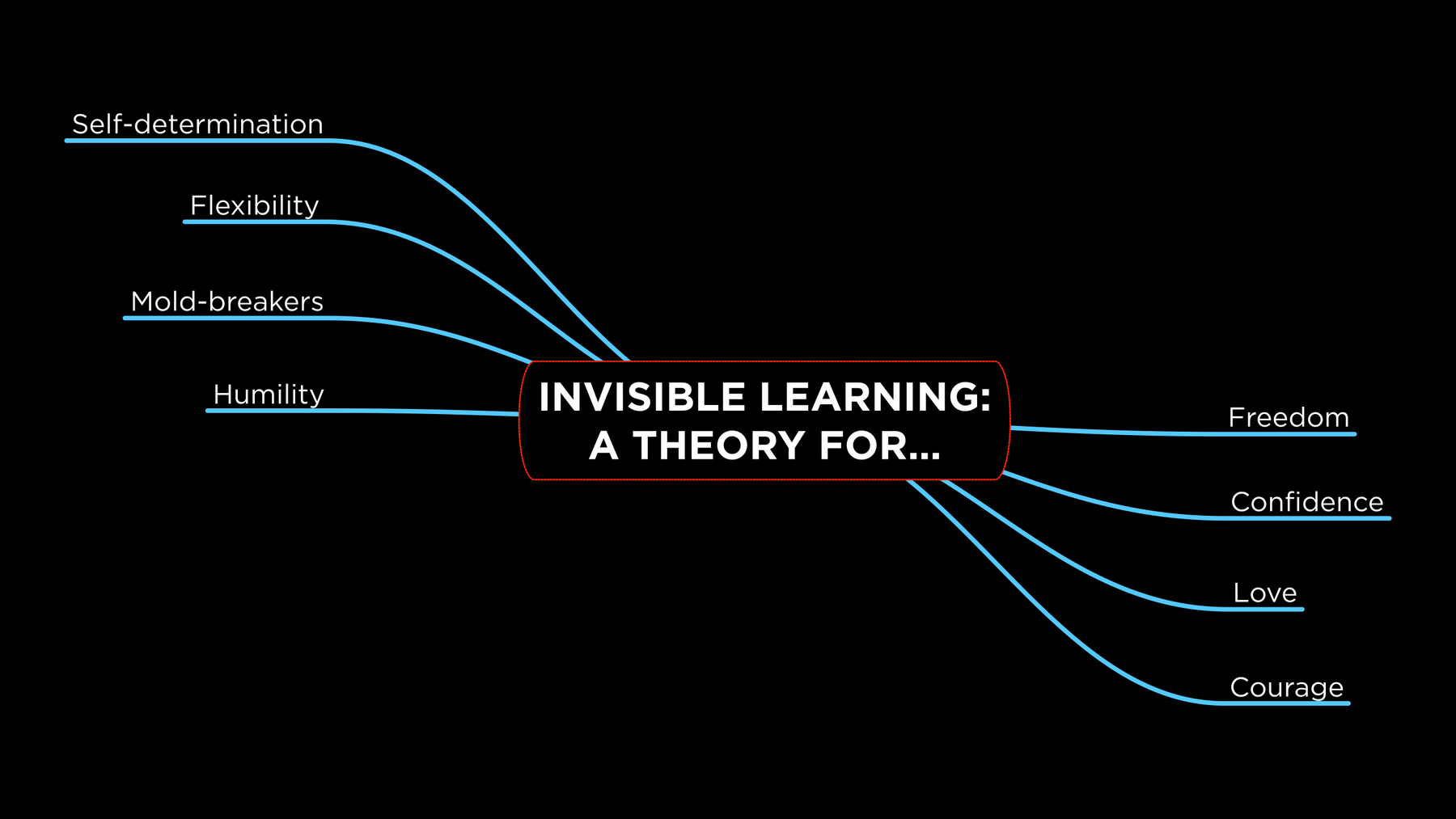
A theory for invisible learning
This second article in a three-part series develops a theory of invisible learning. It examines how informal, non-formal, and serendipitous experiences shape what people know.
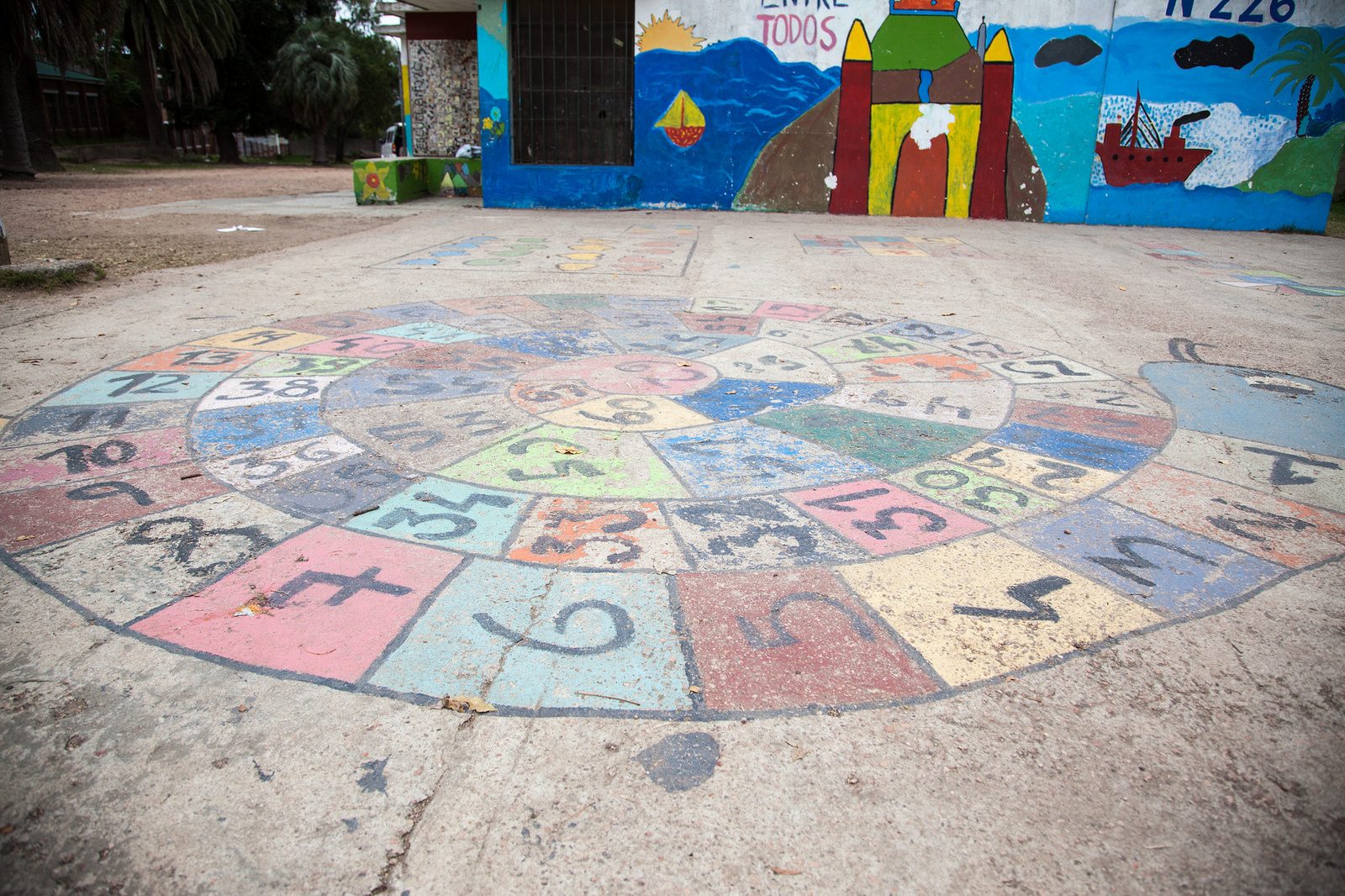
Approaches for enabling invisible learning
This final article in a three-part series presents approaches for enabling invisible learning. It highlights participation, play, exploration, and learner self-determination.

The need for invisible learning
Note: This is the first article in a three-part series on a new theory for invisible learning.