

Who will shape education in 2036?
After EdWeek Market Brief’s K-12 Futurecast with Michelle Caffrey and Katherine Prince, John Moravec reflects on educational sovereignty, teacher judgment, and the risk of human attention becoming a premium service.
Topic
Research and analysis on how institutions can understand rapid change without surrendering to technological inevitability.
After EdWeek Market Brief’s K-12 Futurecast with Michelle Caffrey and Katherine Prince, John Moravec reflects on educational sovereignty, teacher judgment, and the risk of human attention becoming a premium service.

As AI takes on more codified work, schools need to develop the personal knowledge people use to create new value.

In a new paper, John Moravec argues that education’s crisis beyond 2030 is not a lack of preparation but the loss of power to govern the systems shaping learning, work, and public life.

Big Tech shapes what schools can teach and how knowledge circulates through AI platforms. Education needs the capacity to govern these systems in the public interest.

Quantum computing will disrupt education more profoundly than AI. Explore its potential, risks, and what policymakers must do to guide it responsibly.

Education is teaching yesterday to children who will live in tomorrow. While medicine rewrites genomes and technology engineers intelligence, schools remain firmly anchored to the past.
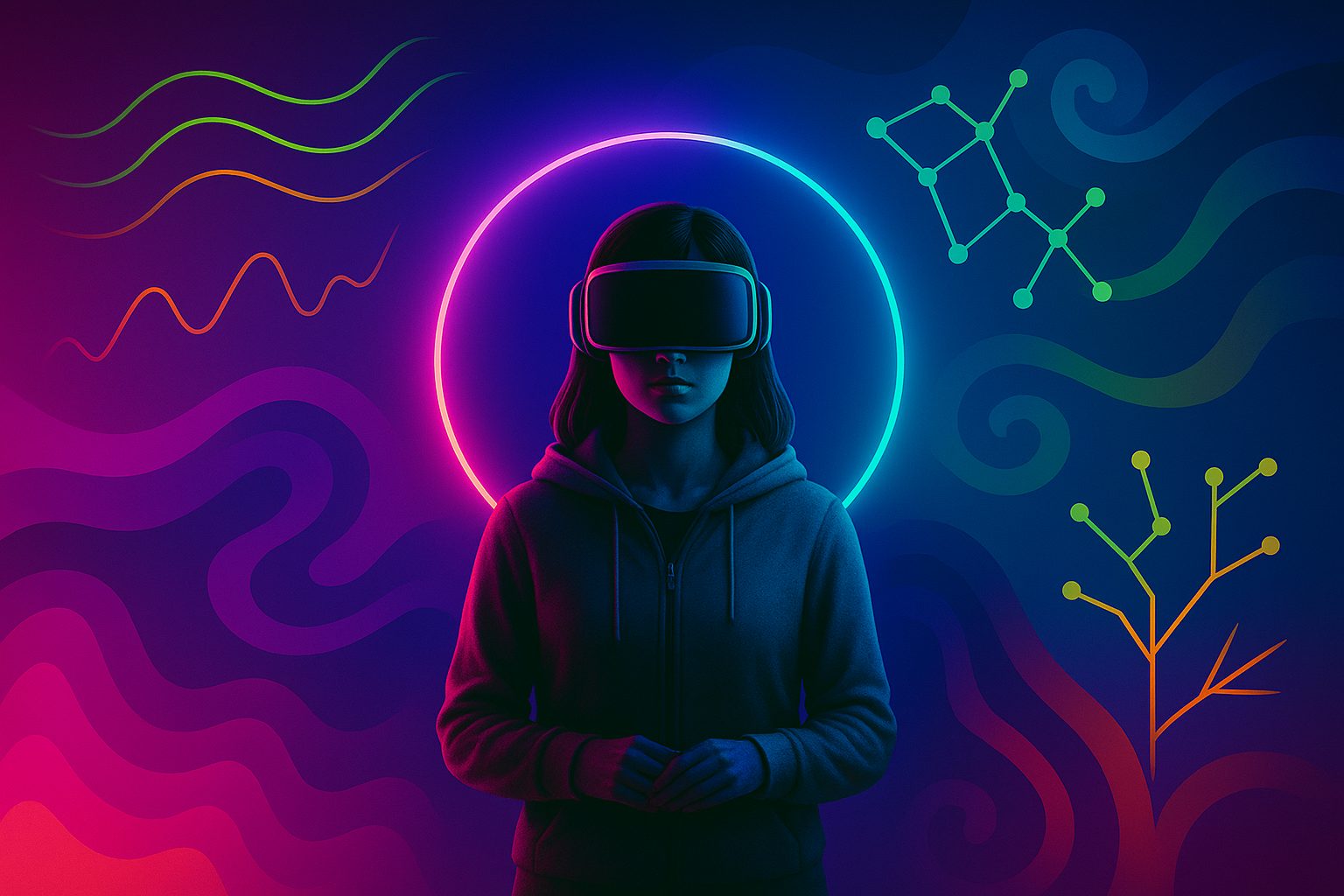
Last week, I had the privilege of presenting the closing keynote at the International Meeting on Educational Innovation and STEM Teaching hosted by Instituto Tecnológico de Buenos Aires, Argentina, where I shared my perspectives on the urgent need to rebuild higher education from the ground up and on the importance of pre active leadership.

This article examines how generative AI and other technologies may automate large portions of people’s work. It considers what this inflection point means for education, skills, and human agency.
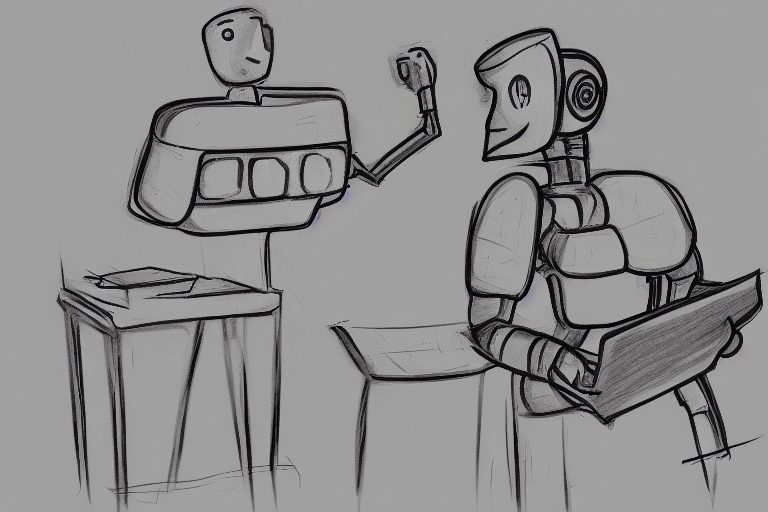
As reported in The Verge, Quizlet, came up with AI features to assist students using their tools. The notion sounds compelling, right?

Manifesto 15, conceptualized in 2015, is a forward-thinking document outlining a vision for the future of education. It proposes a shift from traditional, rigid, and standardized educational models to flexible, learner-centered, and experience-driven paradigms that embrace change, encourage lifelong learning, and foster creativity.

The idea of a Technological Singularity has been discussed and debated intensely since the early 1990s. Coined by Vernor Vinge and popularized by Ray Kurzweil, the idea is that as technologies evolve, technologies improve, costs decrease; and, in turn, the process of technological evolution advances and speeds itself up, creating a J-curve of exponential, accelerating change.

In this interview, John Moravec speaks with science fiction author and mathematician Vernor Vinge about the technological singularity. They consider how accelerating technological change could affect schools and society.