

Topic
Featured
Featured Education Futures work.
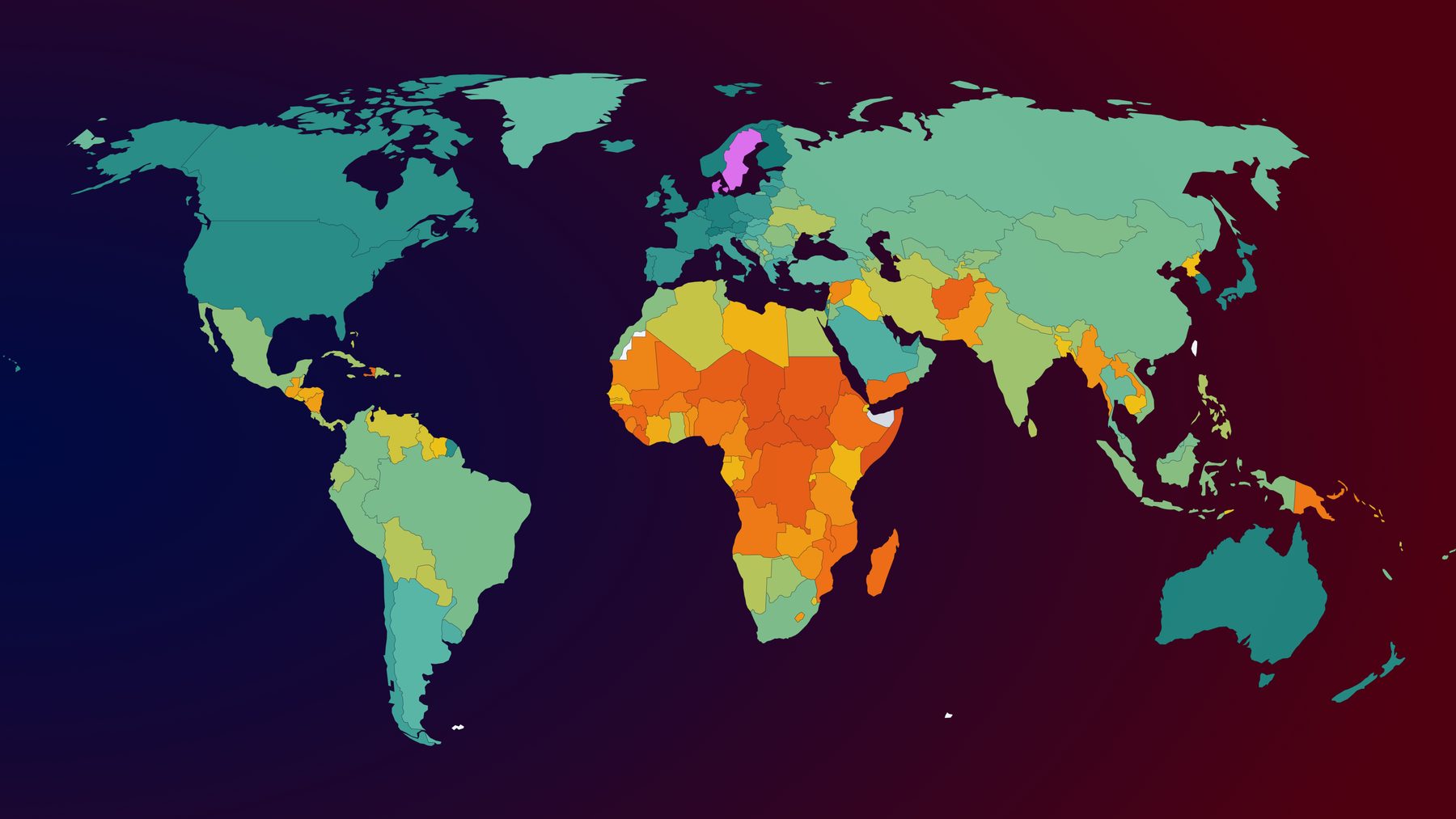
GEFRI mid-2026 update released
The mid-2026 GEFRI update provides a view of how well education systems are positioned to respond to social, technological, economic, and institutional change.
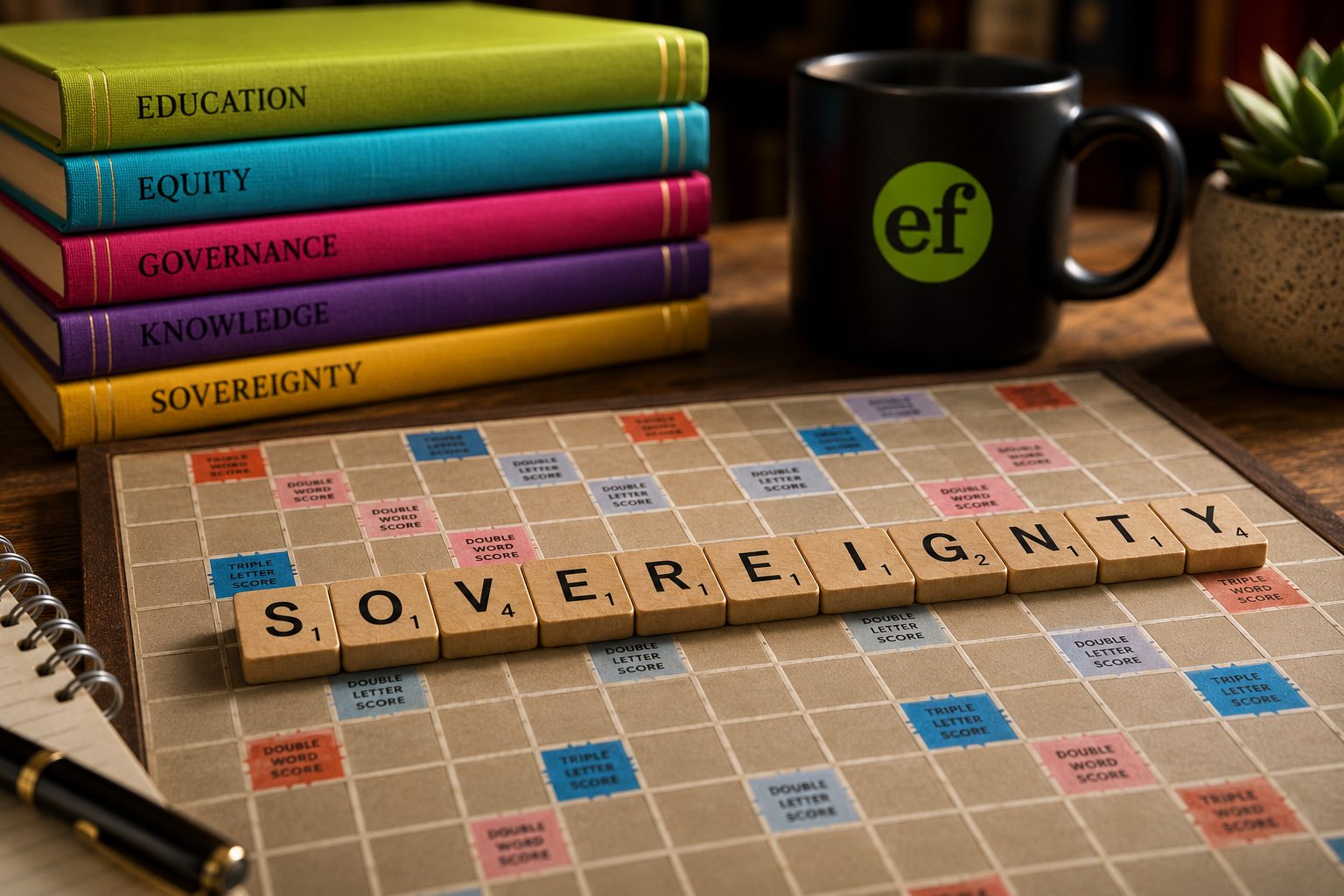
AI, coloniality, and educational sovereignty
This paper examines how artificial intelligence can reproduce colonial patterns in education and knowledge production. It calls for educational sovereignty, institutional responsibility, and more critical approaches to AI policy.
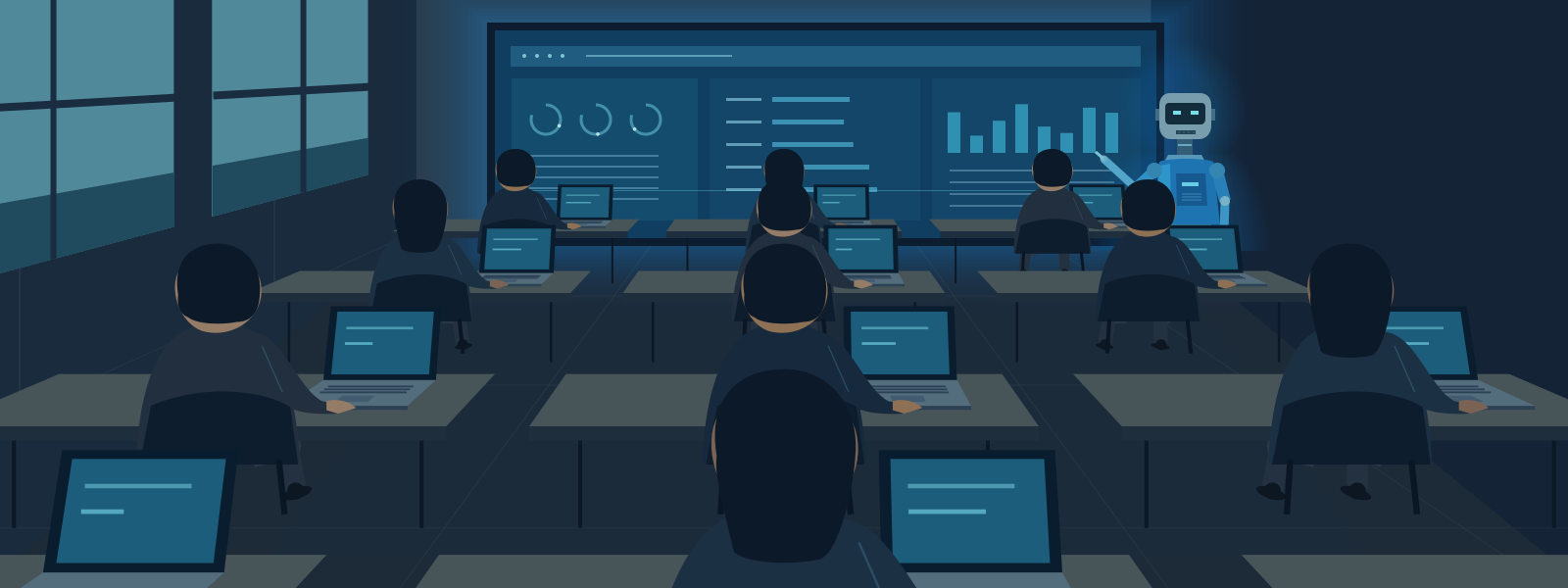
The crisis is not artificial intelligence; It is institutional imagination
This article argues that education’s central crisis is not artificial intelligence but institutional imagination. It examines why schools reproduce outdated pedagogies even when new technologies make other possibilities visible.
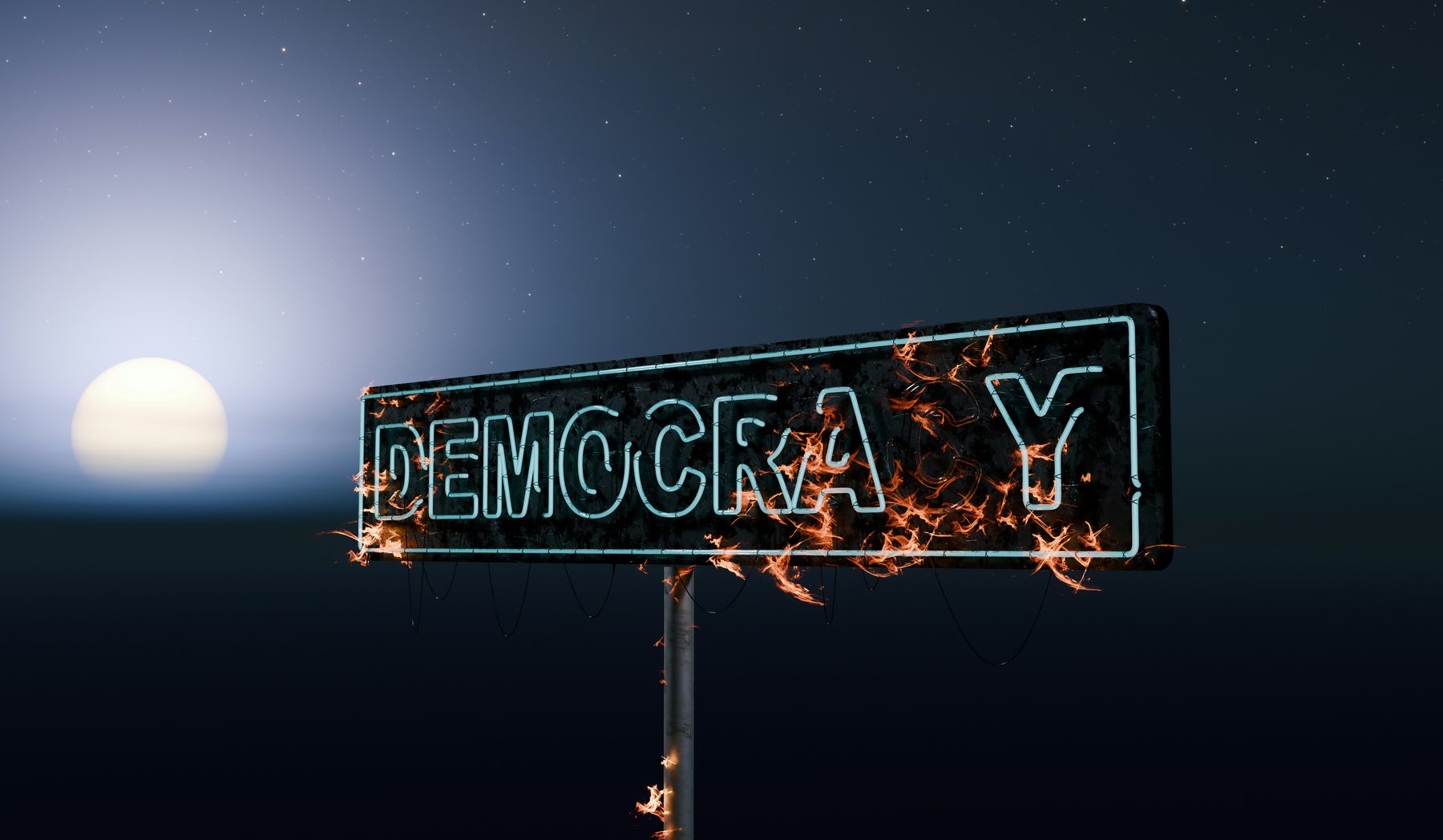
AI as anti-democratic infrastructure (and what education can do about it)
Alex Karp (2026), CEO of Palantir, recently framed AI as a force that will reduce the power of “highly educated, often female voters, who vote mostly Democrat,” while increasing the power of non-college-educated, working-class men.
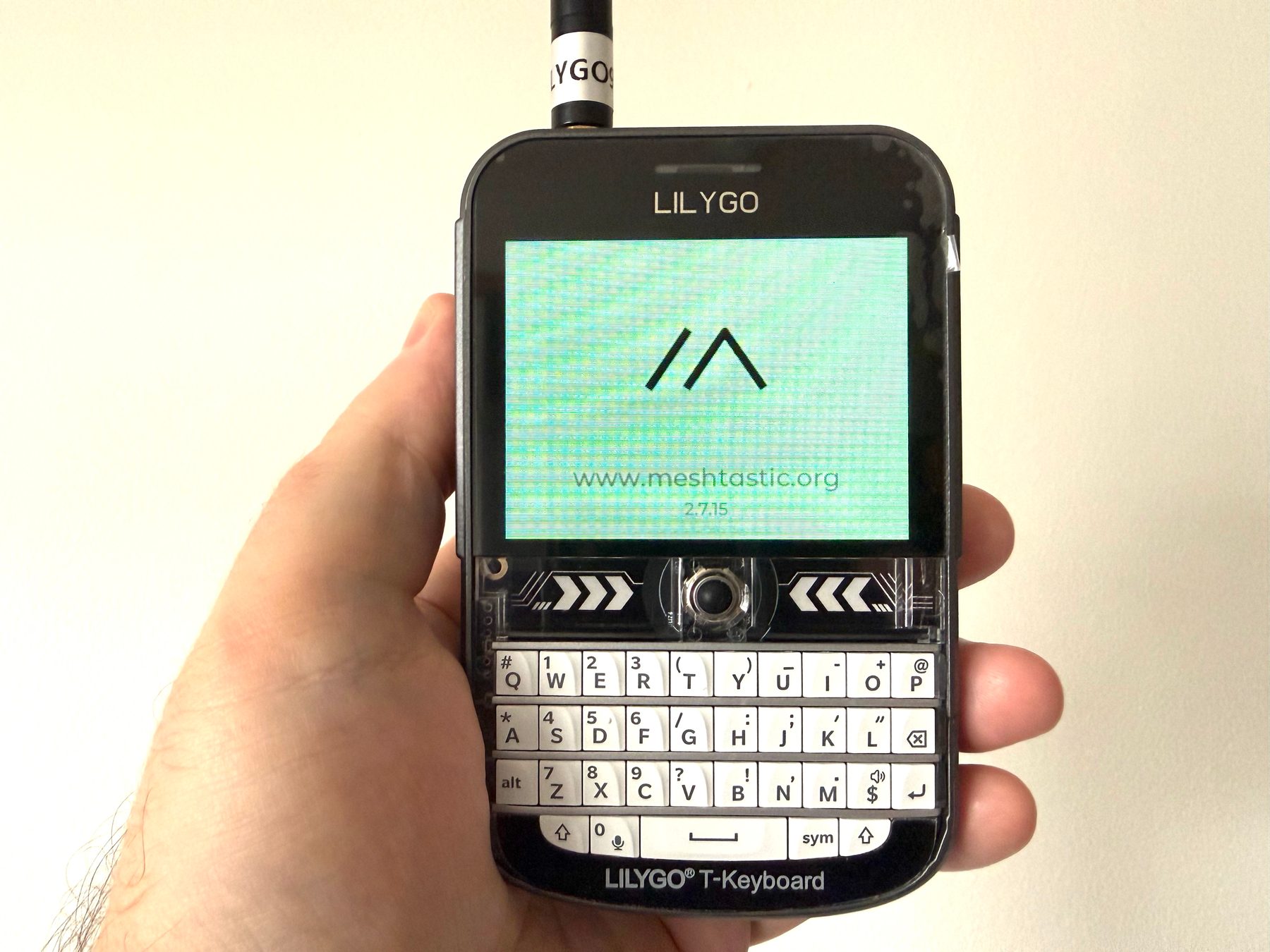
Second channel resilience: Preserving educational coördination in low-connectivity environments
Explore how LoRa-based mesh (Meshtastic) communication can keep education programs running when the internet and electricity fail.
We gamified cheating with AI … with a little help from goblins
This article explores how gamifying cheating with AI can turn misconduct into an opportunity for learning. Education Futures uses play to encourage curiosity, ethics, and reflection about how technology is used.

Is AI making humans “cognitively lazy”?
AI has renewed debate about learning, memory, and creativity in an age of cognitive offloading. Cognitive offloading means using tools to do mental work we could do ourselves.

Break the rules that break us
In classrooms built for quiet, success often means staying inside the lines, even as the world outside demands we redraw them. Today’s schools reward silent conformity over courageous inquiry, sending an implicit message to learners: don’t ask too much, don’t reach too far.
How did we get from “schools kill creativity” to “AI kills critical thinking in schools?”
When Sir Ken Robinson delivered his now-iconic TED Talk in 2006, proclaiming that “schools kill creativity,” he struck a chord that continues to reverberate through education systems worldwide. Robinson’s argument that our schools systematically squash imagination in favor of conformity and compliance sparked a movement for more creative, learner-centered approaches.

Quantum computing and the future of education
Quantum computing will disrupt education more profoundly than AI. Explore its potential, risks, and what policymakers must do to guide it responsibly.

Kids are people, too
When students are trusted to co-create the structures and rhythms of school life, the outcomes are measurable and lasting.

In the absence of hope, we must build communities of trust
In many places, unfortunately including my home country of the United States, learning is no longer nurtured. It is managed.

Does the modern university end at AI?
AI Trends in Higher Education,” hosted by Emerald Publishing and the Higher Education Teaching and Learning Association (HETL), March 26,.

Reality is not optional: Defending education from disinformation, weaponized postmodernism, and the erosion of truth
Recent developments illustrate how easily facts can be dismissed when they become politically inconvenient. Donald Trump’s return to the presidency of the United States signals a shift from mere pressure tactics to the outright dismantling of government agencies focused on public health, equity, climate monitoring, and air traffic control oversight, among other critical areas.

Degrees are obsolete by design … when knowledge has the shelf life of a banana
In a world defined by rapid advances in science, technology, and the very structure of work, a university degree can become obsolete faster than a banana browns on your kitchen counter. The old paradigm of “earn your diploma, land a career, follow a predictable path” no longer makes sense in what many call an Age of Disruption (see, for example, World Economic Forum, 2023).

Authentic learning comes from freedom, not from being pushed into a predetermined path
For too long, education has been structured around control. Students are placed on predetermined paths, told what to learn, when to learn it, and how their success will be measured.
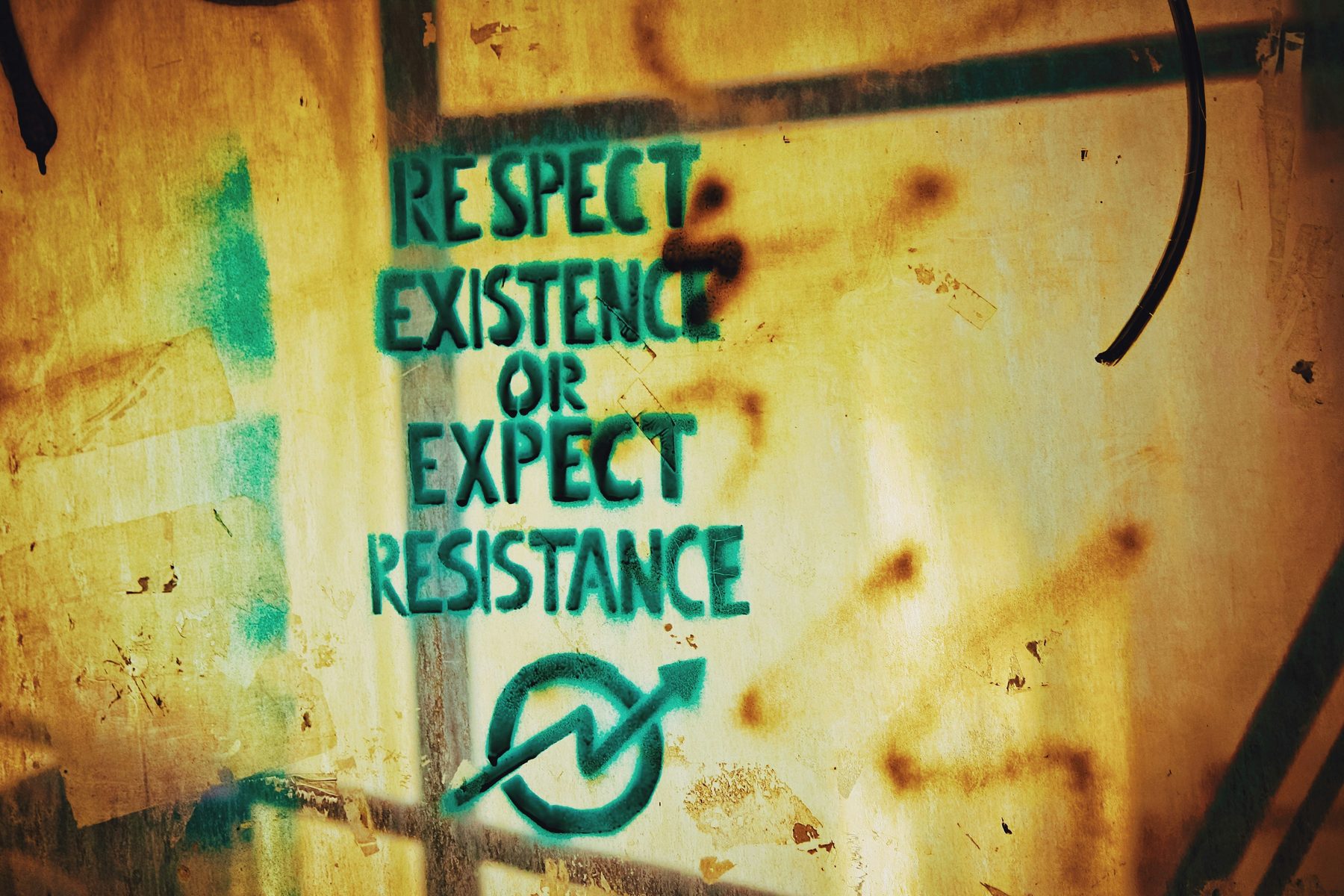
Schools must be havens of uncommon safety and extraordinary respect
Education is failing its most fundamental test: preparing people to be human in a complex, interconnected world. Schools claim to shape the leaders, innovators, and citizens of tomorrow, yet they still operate on outdated models that prioritize compliance over curiosity, standardization over self-awareness, and competition over collaboration.