
Let children be children.
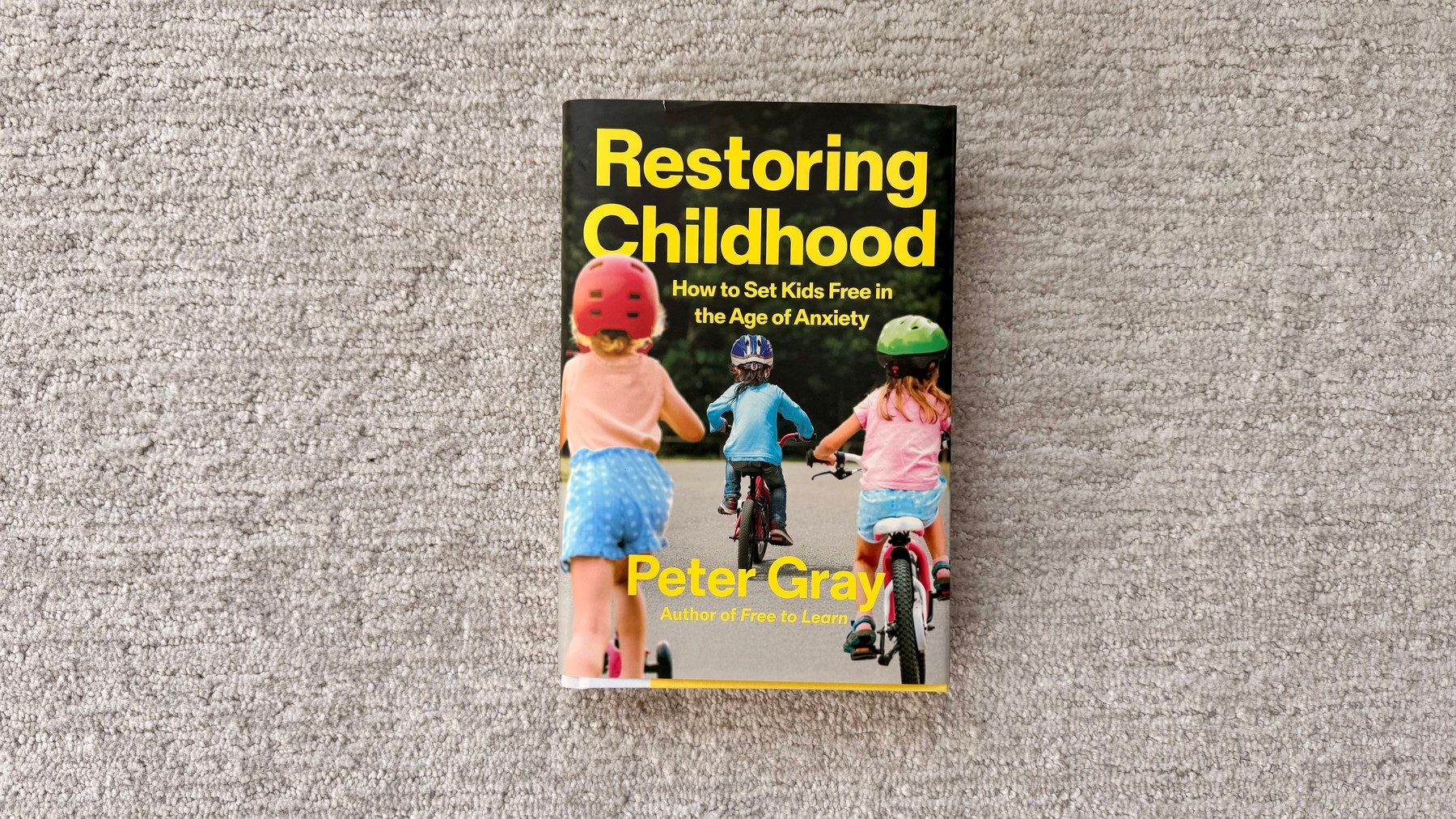
A personal reflection on Peter Gray's Restoring Childhood, the freedom to learn, and why children's independent experiences deserve greater attention from educational researchers.
Topic
Work on participation, agency, pluralism, and education as a public and democratic endeavor.
A personal reflection on Peter Gray's Restoring Childhood, the freedom to learn, and why children's independent experiences deserve greater attention from educational researchers.
John W. Moravec examines power, trust, and the freedom to learn in twenty-five essays, with working notebooks for creating new education futures.
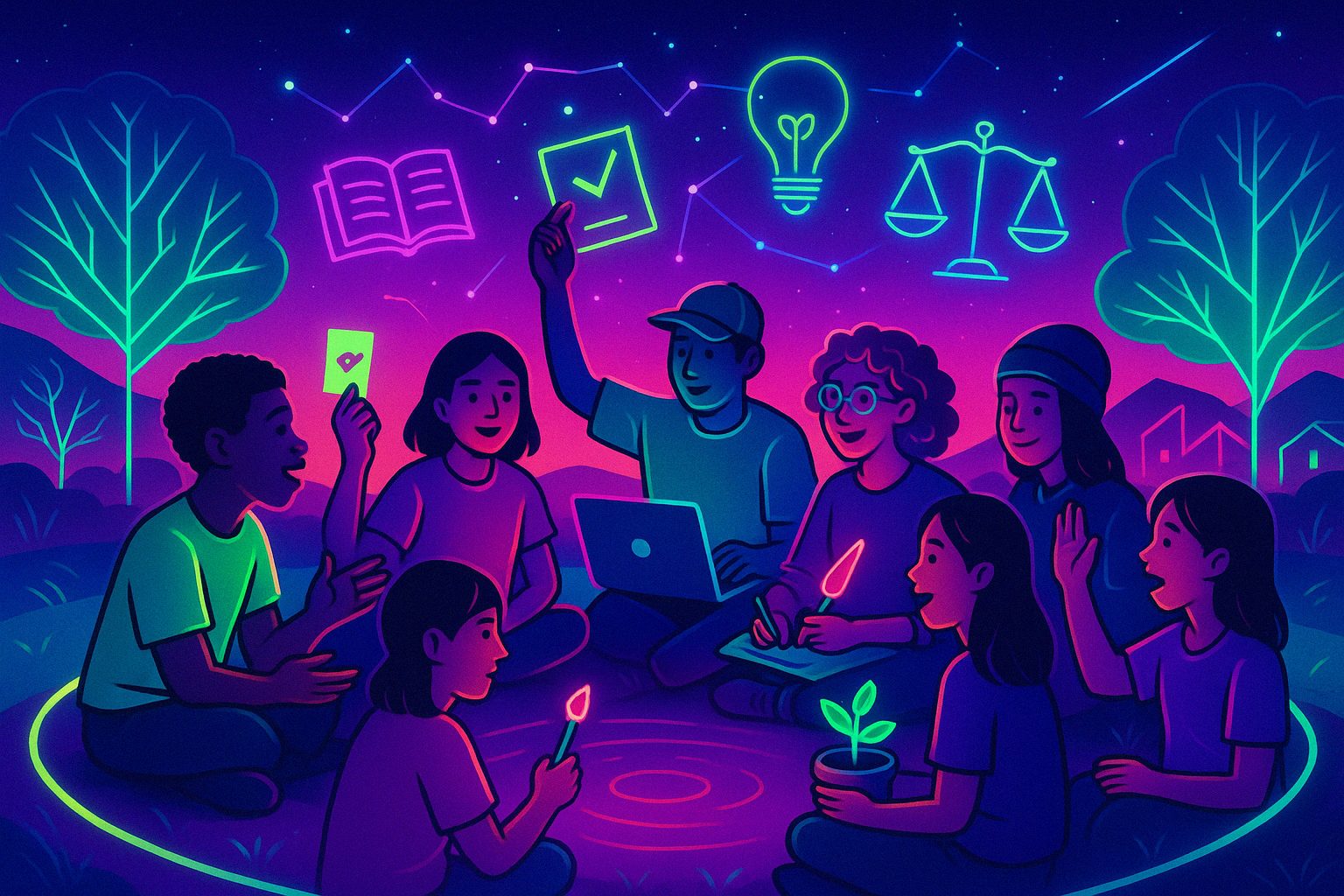
When students are trusted to co-create the structures and rhythms of school life, the outcomes are measurable and lasting.
In many places, unfortunately including my home country of the United States, learning is no longer nurtured. It is managed.
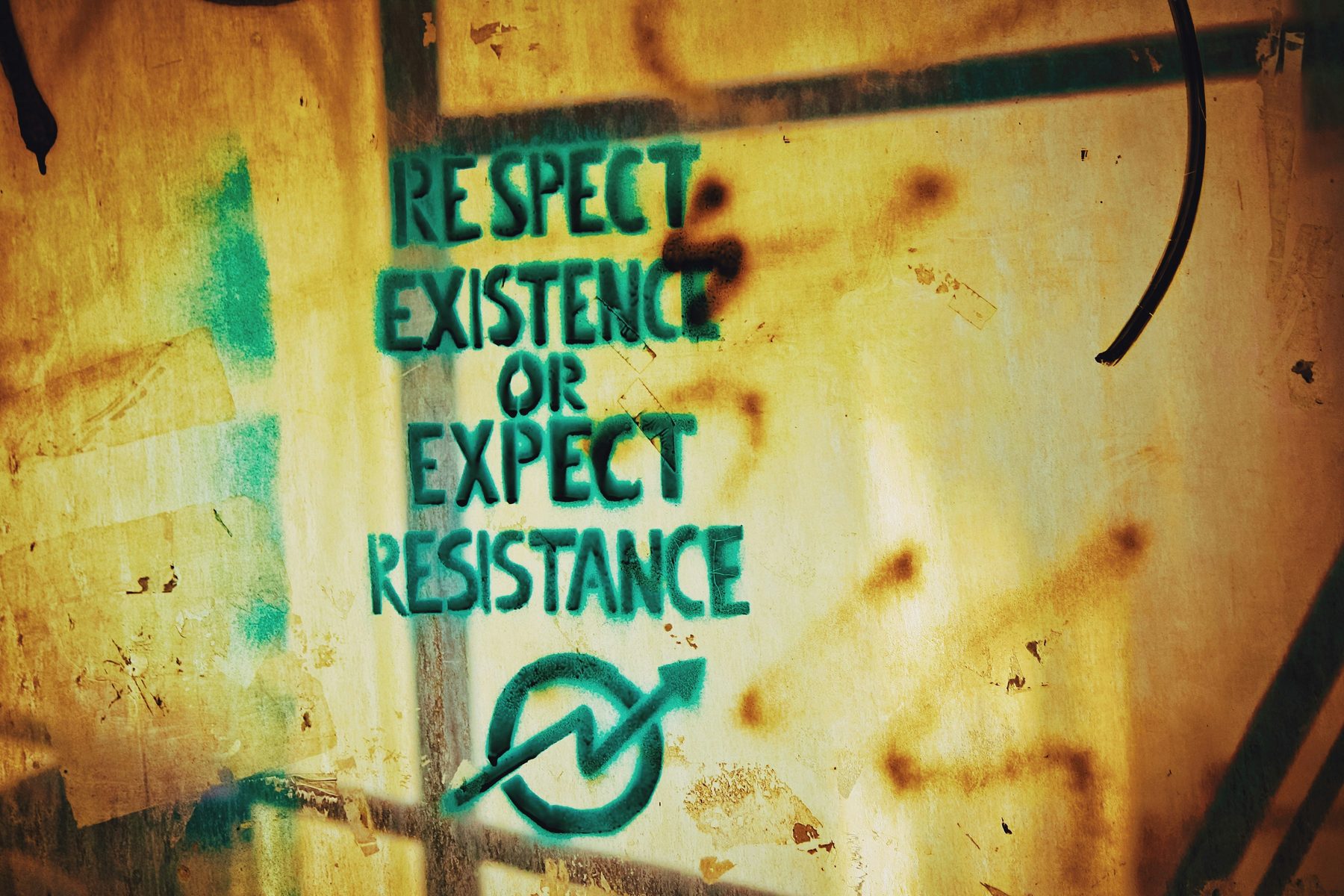
Education is failing its most fundamental test: preparing people to be human in a complex, interconnected world. Schools claim to shape the leaders, innovators, and citizens of tomorrow, yet they still operate on outdated models that prioritize compliance over curiosity, standardization over self-awareness, and competition over collaboration.
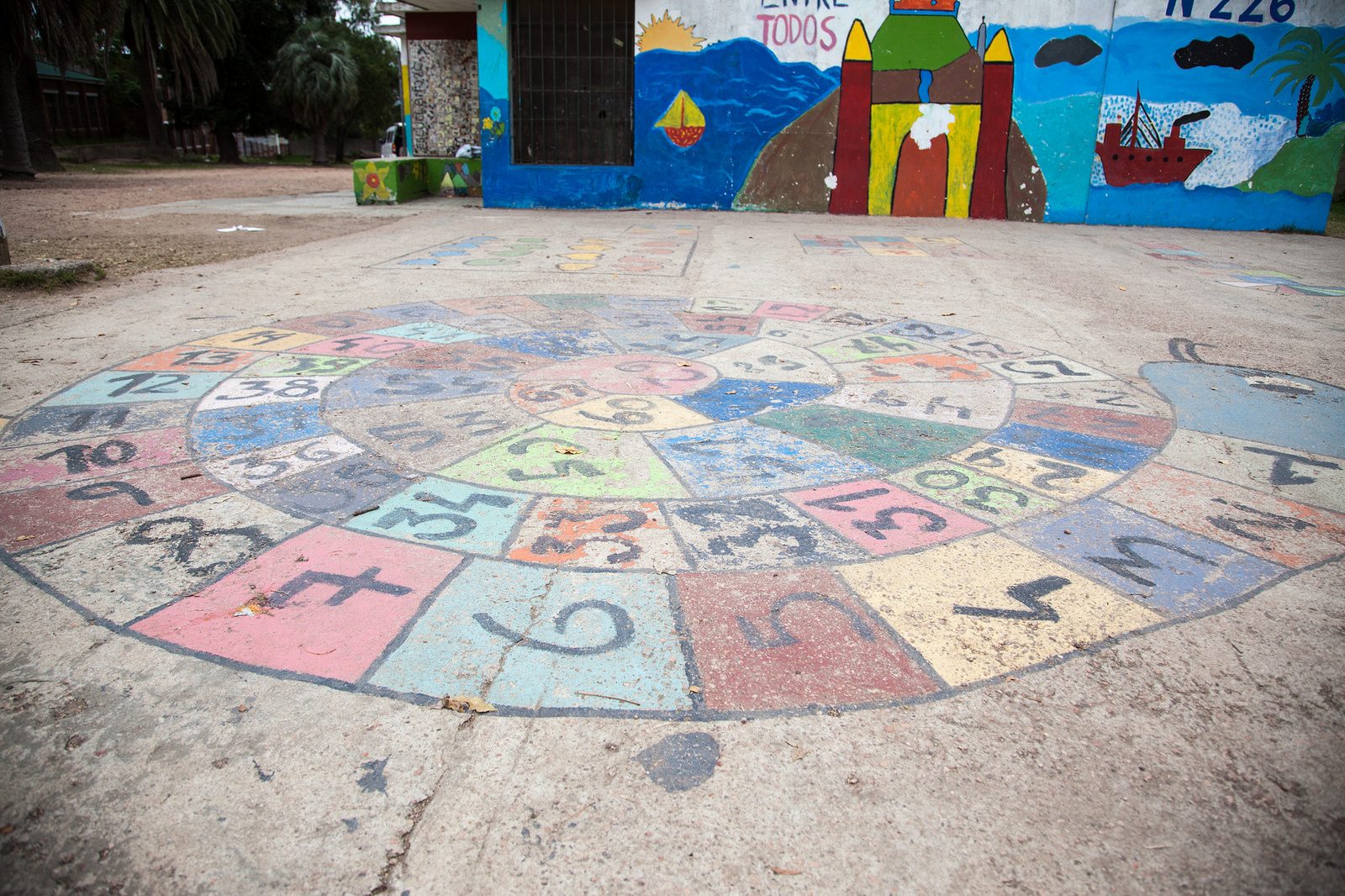
This final article in a three-part series presents approaches for enabling invisible learning. It highlights participation, play, exploration, and learner self-determination.
This report reflects on the 2013 European Democratic Education Community conference. It considers how democratic education supports learner agency, participation, and new approaches to schooling.
Editor’s note: This provocative commentary originally appeared in Heb jij iets geleerd vandaag? – Een Sudbury school perspectief op leren, a blog by Sudbury schools in the Netherlands.