
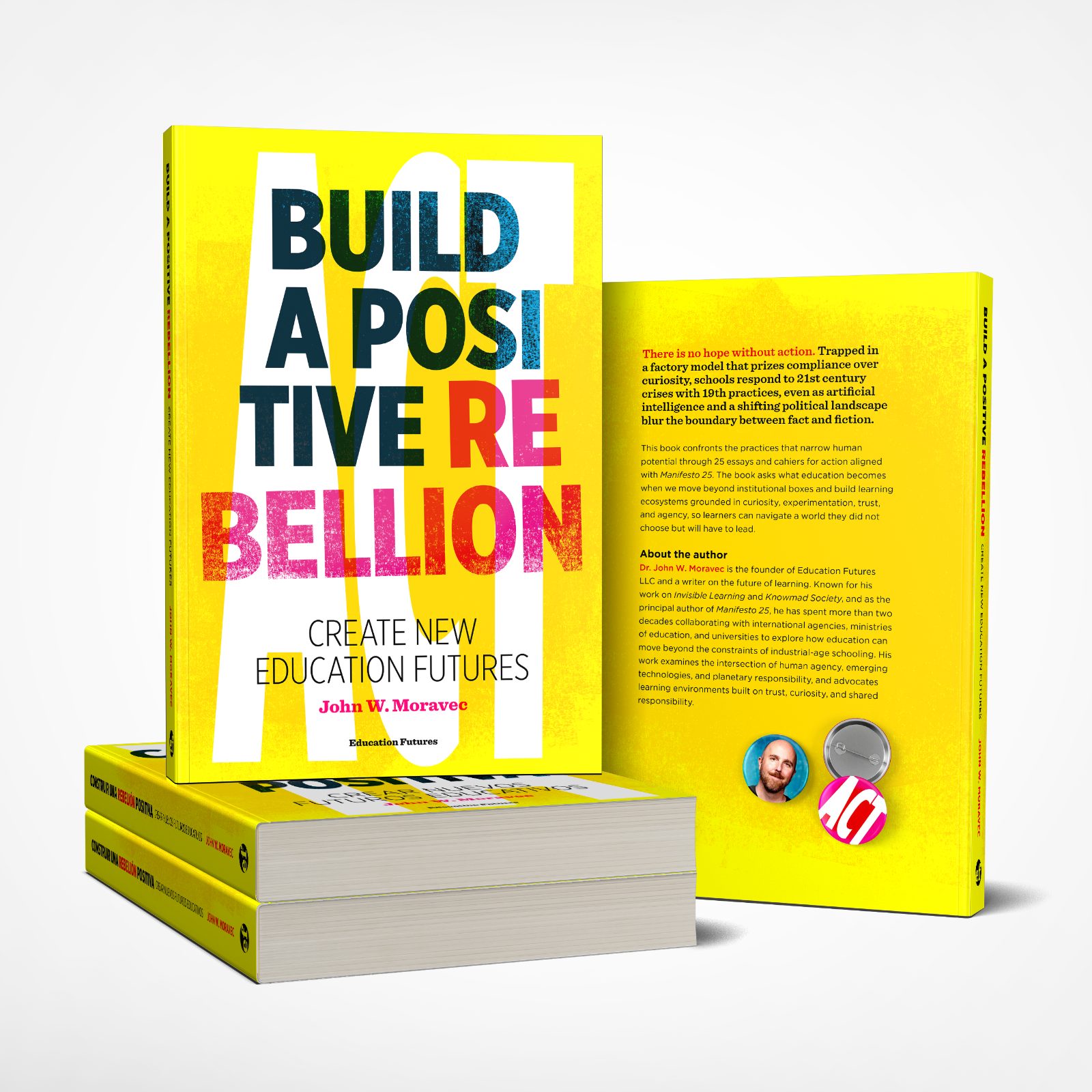
Build a Positive Rebellion
Create New Education Futures
We spend a great deal of time talking about the future of education while keeping many of its oldest assumptions in place.
Students are grouped largely by age. Knowledge is divided into subjects and scheduled into fixed blocks of time. Schools decide what counts as learning, when it should happen, and how students should demonstrate it. Grades and credentials carry enormous weight in determining what people are assumed to know and what opportunities become available to them. Teachers carry responsibility for student learning while working inside systems that often prescribe how that work should happen.
These arrangements came from particular ideas about childhood, knowledge, work, authority, efficiency, and the role of schools in society. Some continue to make sense. Others persist because they have become familiar.
Build a Positive Rebellion: Create New Education Futures grew from a desire to examine those assumptions more closely.
Written by John W. Moravec, the book expands the 25 principles of Manifesto 25 into a series of essays about agency, knowledge, assessment, technology, teacher professionalism, democracy, equity, ecological responsibility, and the futures we are building through education.
The central question is straightforward: If we want different futures for learning, which assumptions are we willing to reconsider now?
Why a positive rebellion?
Education changes all the time. Schools adopt new technologies, update curricula, redesign classrooms, rewrite standards, and introduce new models of teaching. Those changes can matter, but deeper assumptions often survive them.
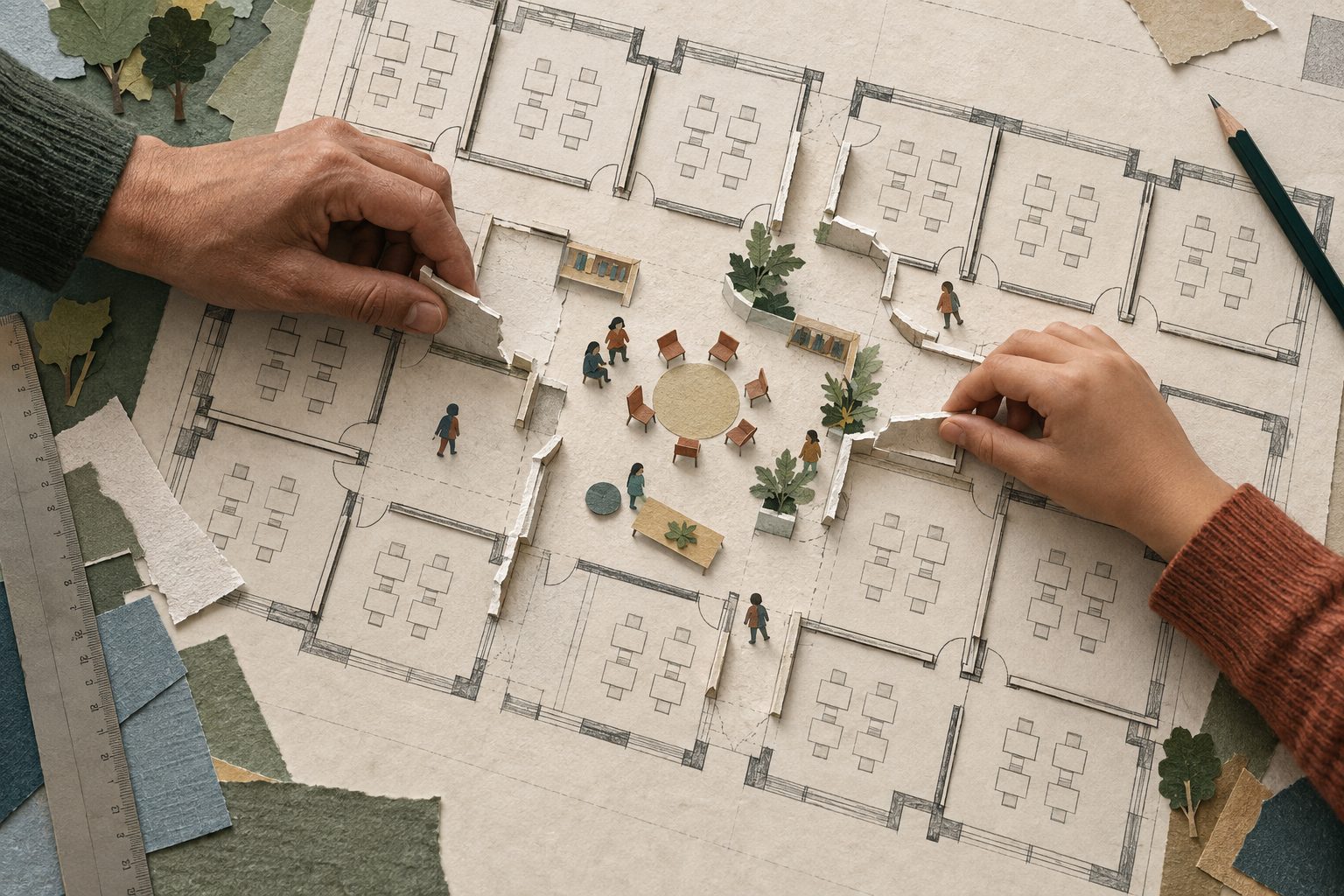
A school can introduce sophisticated technology while keeping students in passive roles. It can organize learning around projects while adults still control the important decisions. It can promote creativity while assessment systems reward predictable answers. It can speak about student agency while leaving little room for students to exercise it.
A positive rebellion starts with those contradictions.
It asks us to look closely at the practices we have inherited and decide whether they still serve the people involved. That requires judgment. Some structures protect people and create useful common expectations. Others limit what teachers and learners can do without giving us much in return.
The work begins when we identify those differences and act on them.
For a teacher, this might mean giving students more influence over the questions they investigate. For a school leader, it might mean trusting teachers with decisions that have been pushed into procedures and checklists. For policymakers, it might mean asking whether an accountability measure is improving learning or distorting it. For students, it might mean having a meaningful voice in decisions that shape their education.
These choices can look small from the outside. Taken seriously, they change how power, responsibility, and learning operate inside an institution.
Twenty-five principles, twenty-five places to start
Build a Positive Rebellion contains 25 essays, each connected to a principle from Manifesto 25.
Some begin with young people themselves. Kids are people, too. That statement has consequences. If young people have ideas, interests, identities, and rights of their own, education has to make room for their participation in decisions that affect them.
The same applies to agency. Agency means having the capacity to make choices that carry consequences. In education, that reaches far beyond offering students a menu of predetermined activities. It asks how much influence learners have over what they pursue, how they work, whom they work with, and what they create.
Teacher professionalism raises another set of questions. Teaching depends on judgment, relationships, subject knowledge, and an understanding of context. Systems weaken that work when they treat consistency as the main measure of quality. Professional responsibility grows when teachers have room to make informed decisions and remain accountable for them.
Assessment also deserves closer attention. Schools depend on grades, tests, rubrics, standards, and reporting systems because they need ways to describe learning. These tools also shape behavior. What gets measured receives attention. What fits a rubric becomes easier to recognize. What falls outside those systems can disappear from view.
This matters because people learn much more than schools can capture. They develop judgment, confidence, relationships, interests, habits, technical skills, creative practices, and ways of making sense of the world. Educational systems recognize some of these things well and others poorly.
The book asks what happens when we take that gap seriously.
What AI makes harder to ignore
Artificial intelligence enters the book because it has exposed weaknesses that were already present in education.
For years, schools could treat the production of an essay, presentation, summary, program, or report as evidence of the learning behind it. Generative AI has made that assumption much harder to sustain. A student can now produce many familiar academic artifacts with limited understanding of the work involved.
That creates a useful pressure on education. It forces us to ask what we wanted students to learn in the first place.
If an assignment exists because students need to develop judgment, investigate evidence, make connections, form arguments, solve problems, or create something useful, then those capabilities need to become more visible in the work. AI makes it harder to rely on the finished artifact as a convenient proxy.
The same issue applies at the institutional level. Technology can expand what people are able to do, and it can also reinforce existing routines. The result depends on the choices people make about its use, the forms of authority it supports, and the kinds of learning they want to encourage.
That is why the book treats AI as part of a larger conversation about agency, knowledge, and responsibility.
A book team and personal development
The 25 essays are interrupted by five cahiers, sections designed for readers to write, reflect, and apply the ideas to their own settings.
The name comes from the Cahiers de doléances prepared in France in 1789, where communities recorded grievances and proposals ahead of the Estates-General. The historical setting is distant from ours, but the basic act remains useful: identify what is happening, name what is no longer acceptable, and decide what should change.
The cahiers ask readers to examine their own institutions. Which rules still serve a clear purpose? Which ones survive because they are familiar? Where does fear limit experimentation? Who has authority to make decisions? What kinds of learning receive recognition? Which assumptions are shaping choices without being discussed?
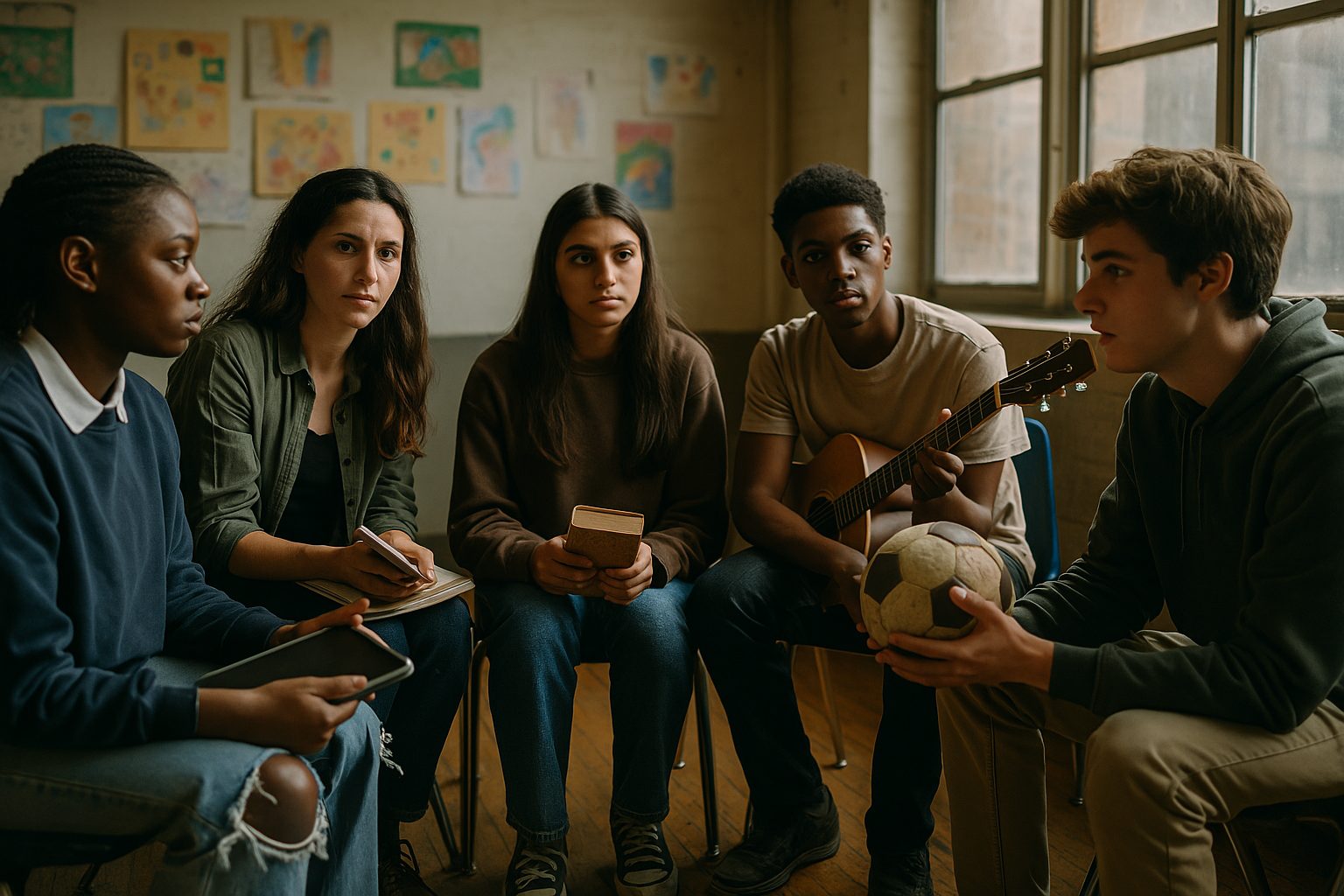
Two intermezzos bring other voices into the book, including those of young people. Their presence matters because discussions about education often speak for students while giving them little space to speak for themselves.
Readers can move through the book in different ways. A faculty group can spend time with one chapter. A teacher can use a cahier to think through a classroom practice. A leadership team can take one principle and test it against existing policy. A student group can argue with the assumptions adults make about learning.
The book works best when people use it in relation to challenges they are experiencing in their own communities.
From Manifesto 25 to practice
Manifesto 25 gave language to a set of principles about learning, freedom, trust, democracy, technology, and human agency. Writing Build a Positive Rebellion pushed those principles into the places where decisions get difficult.
Student agency becomes real when students make choices adults would not have made for them. Teacher autonomy becomes real when teachers exercise judgment and produce variation. A commitment to learning beyond school becomes real when institutions recognize knowledge they did not control. Creativity becomes real when people produce work that falls outside familiar expectations.
These moments reveal what an institution values.
They also show where change becomes possible.
Education futures are shaped through large policy decisions, economic forces, technologies, and demographic change. They are also shaped through everyday decisions about what gets taught, who decides, how learning is recognized, which risks are acceptable, and how much trust people are given.
Those decisions accumulate. They become culture, policy, expectation, and eventually another set of assumptions.
Build a Positive Rebellion asks us to pay closer attention while those assumptions are still being formed.
Read, use, and share it
Build a Positive Rebellion is available in English and Spanish. The digital edition is offered on a pay-what-you-want basis, including free access, and print editions are available for readers who prefer a physical copy.
The book is published under a Creative Commons license so people can share it, adapt it, discuss it, translate its ideas into local contexts, and use it in workshops, classrooms, schools, universities, and organizations.
The full project lives at PositiveRebellion.org, where readers can explore the 25 principles, access both language editions, and find additional materials connected to the book.
- Download the digital edition
- Purchase the paperback
- Visit PositiveRebellion.org
- Read Manifesto 25
- Leer en español
The premise behind the project is simple. Education futures are built through the choices we make about learning today. Once we recognize those choices as choices, we gain room to make different ones.