

Quantum computing and the future of education
Quantum computing will disrupt education more profoundly than AI. Explore its potential, risks, and what policymakers must do to guide it responsibly.
Author
Articles and research by John Moravec.
Quantum computing will disrupt education more profoundly than AI. Explore its potential, risks, and what policymakers must do to guide it responsibly.

El aprendizaje atraviesa hogares, comunidades, espacios de trabajo y redes digitales. Las escuelas pueden conectar y reconocer esas experiencias.
Learning does not fit neatly into classrooms, schedules, and institutional categories. Meaningful learning is exploratory, connected, and shaped by life beyond school.
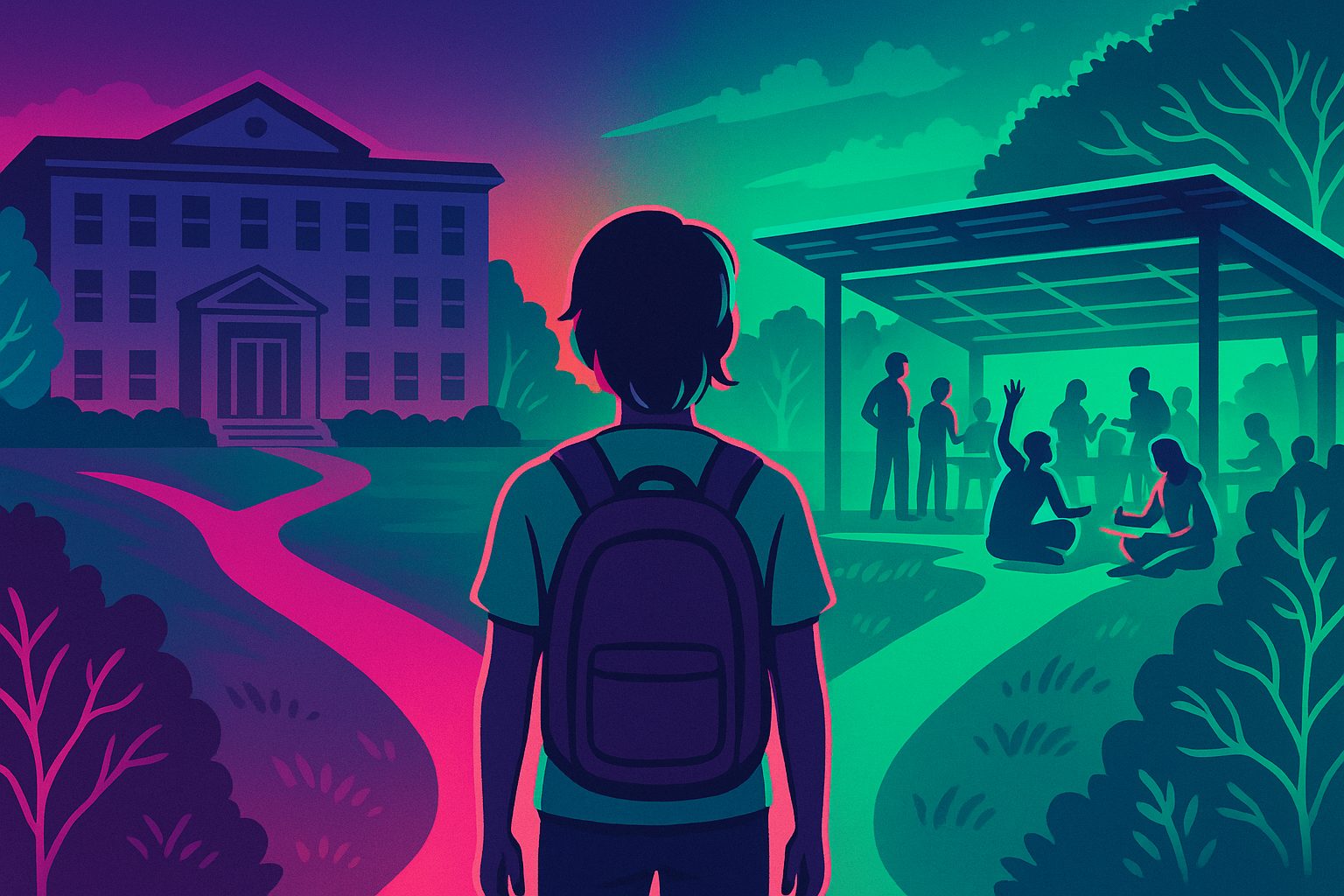
At the heart of meaningful education is a powerful idea: learners thrive when they are trusted to shape their learning and believe they are capable of success. This fusion of agency (being afforded real choices) and self-efficacy (believing in one’s ability to act on those choices) transforms education from routine compliance into purposeful growth.
El aprendizaje cobra sentido cuando las personas pueden decidir su rumbo y confían en su capacidad para actuar. La agencia y la autoeficacia permiten crecer con propósito.

When students are trusted to co-create the structures and rhythms of school life, the outcomes are measurable and lasting.
Los jóvenes tienen derechos y deben participar en las decisiones que moldean su educación. Compartir poder y responsabilidad empieza con respeto y confianza.

La confianza permite construir futuros educativos desde la dignidad, la curiosidad y la responsabilidad compartida. Debe practicarse en relaciones e instituciones.
In many places, unfortunately including my home country of the United States, learning is no longer nurtured. It is managed.

In one classroom, a student copies notes about a centuries-old war. Outside that school, they build game mods, edit videos for social media, and debate politics in global online forums.
Los modelos escolares industriales se alejan de cómo viven y aprenden los jóvenes. Rediseñar su propósito exige imaginación, agencia y responsabilidad compartida.

AI Trends in Higher Education,” hosted by Emerald Publishing and the Higher Education Teaching and Learning Association (HETL), March 26,.
La IA modifica la gobernanza, la equidad y el propósito de la universidad. Las instituciones necesitan imaginación estratégica y capacidad para decidir qué futuro educativo quieren construir.

La ciudadanía planetaria conecta experiencias locales con responsabilidades globales. Educar para ella exige empatía, pensamiento sistémico, colaboración y cuidado.
We are living through overlapping global crises: climate breakdown, mass displacement, ecological collapse, rising authoritarianism, and digital fragmentation. These forces are not distant trends; they shape everyday life.

La educación debe desarrollar anticipación, adaptación y juicio ético para que todos puedan participar en crear futuros todavía desconocidos.
Education is teaching yesterday to children who will live in tomorrow. While medicine rewrites genomes and technology engineers intelligence, schools remain firmly anchored to the past.

Standardization prioritizes predictability over possibility, compliance over creativity, and repetition over risk-taking. When education reduces students to manufactured products, it ignores their unique potential to seek out their own passions and solve problems creatively.