
Question everything
In our era defined by radical uncertainty, a primary duty of education should be to develop our courage to question relentlessly. Otherwise, we will never learn.
Author
Articles and research by John Moravec.
In our era defined by radical uncertainty, a primary duty of education should be to develop our courage to question relentlessly. Otherwise, we will never learn.
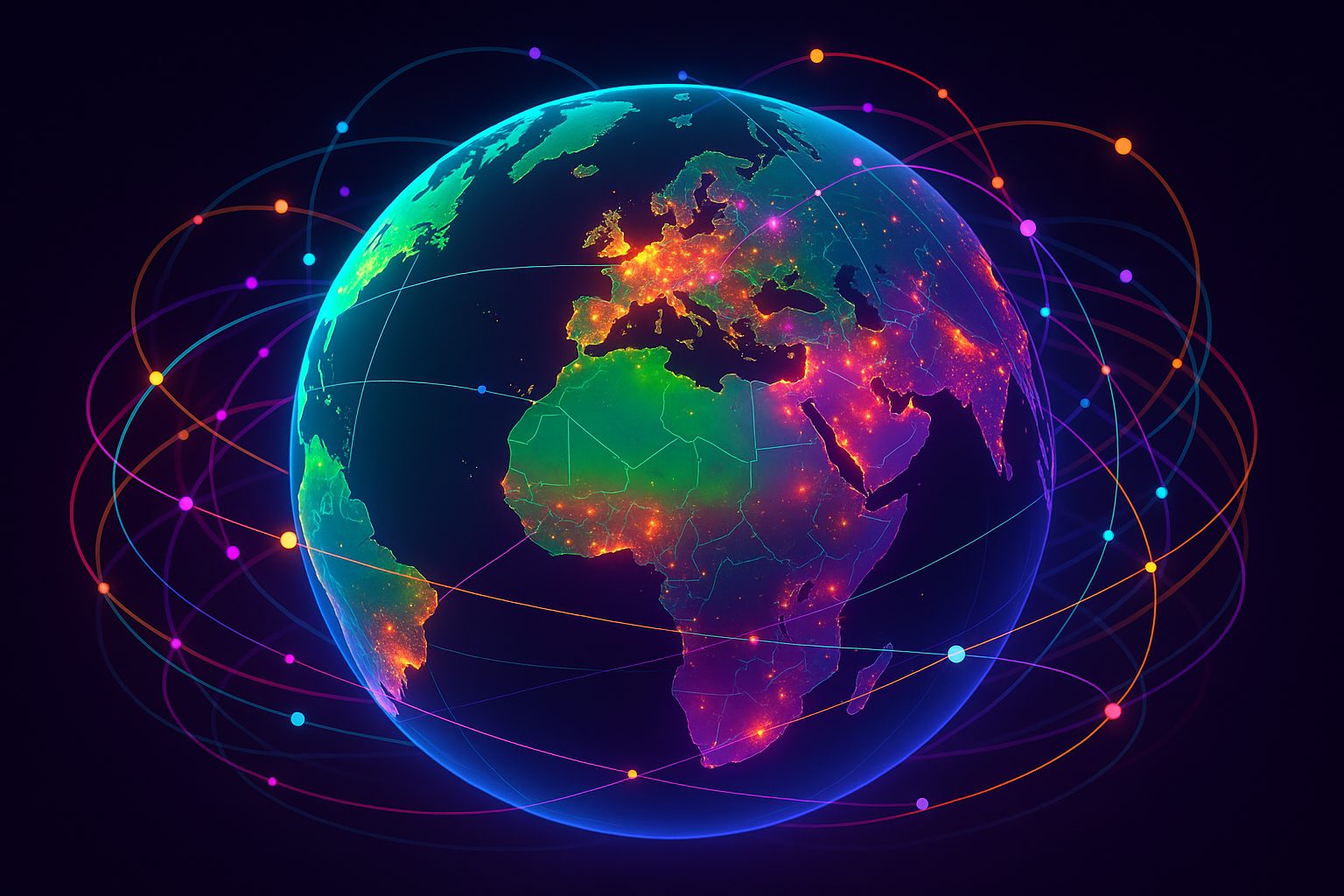
The Global Education Futures Readiness Index (GEFRI) provides the first comprehensive, data-driven answer. Covering 217 countries, including large economies, small island states, and nations in crisis, GEFRI benchmarks how prepared each is to meet the demands of rapidly changing educational, social, and technological landscapes.
Pedimos al profesorado preparar para la incertidumbre, pero restringimos su juicio. La innovación exige autonomía profesional, tiempo compartido y confianza.
We ask teachers to prepare students for an unpredictable, AI-infused, climate-volatile world. Yet we treat those same educators as if their job is to execute instructions, not invent solutions.
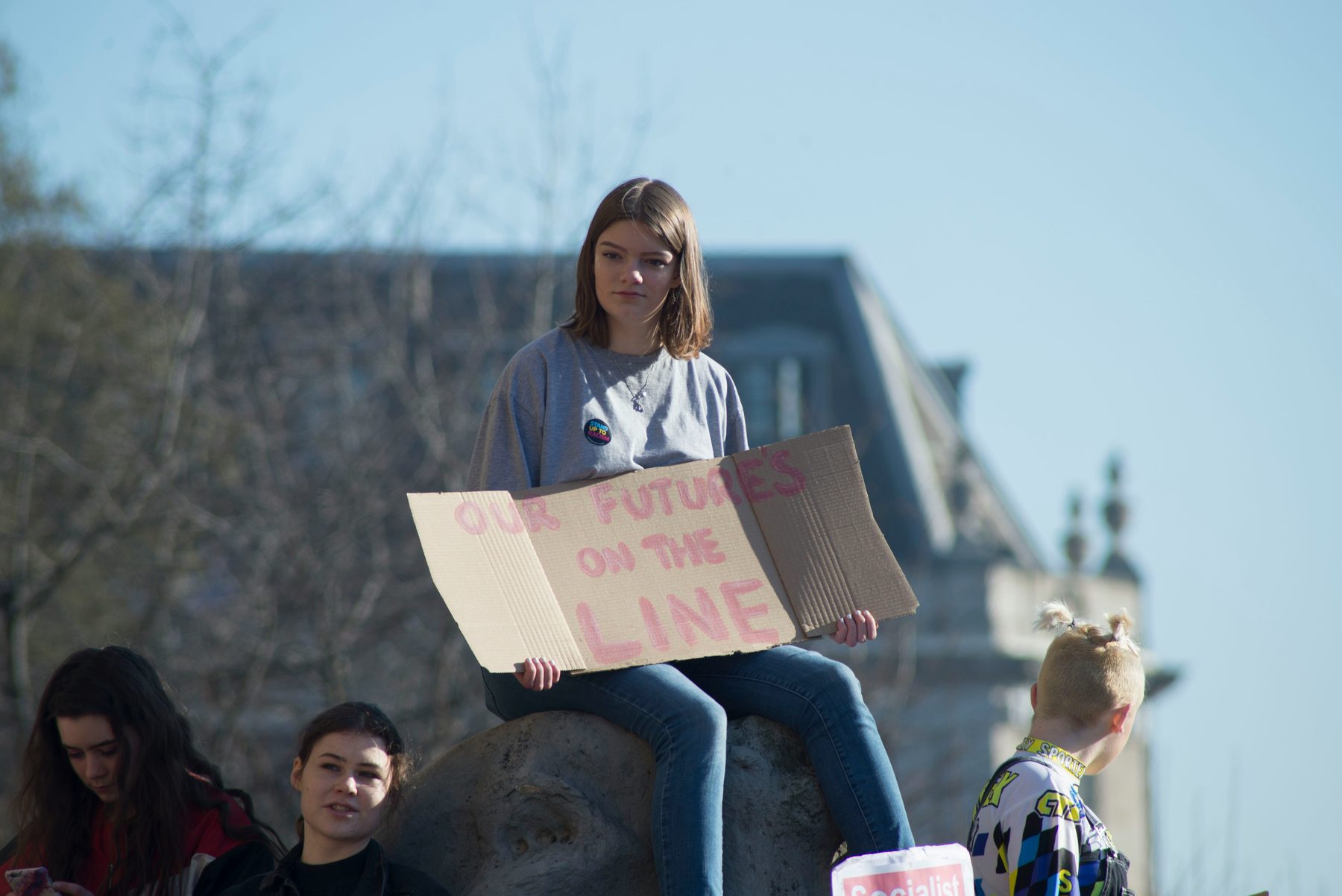
Activism can be one of learning’s most authentic expressions. It explores how organizing, civic participation, and speaking truth to power develop knowledge and agency.
Organizarse, participar en la vida cívica y decir la verdad al poder desarrolla conocimiento y capacidad de acción. El activismo puede ser una expresión del aprendizaje auténtico.

In classrooms built for quiet, success often means staying inside the lines, even as the world outside demands we redraw them. Today’s schools reward silent conformity over courageous inquiry, sending an implicit message to learners: don’t ask too much, don’t reach too far.
Cuestionar reglas exige comprender su propósito, a quién sirven y qué efectos producen. La desobediencia reflexiva puede construir una educación más justa.

La educación necesita situar el cuidado de la Tierra en sus cimientos. Las alfabetizaciones planetarias y las pedagogías regenerativas conectan aprendizaje y acción.
A school day begins with a bell. Students move from worksheets to whiteboards while forests burn and rivers shrink outside.
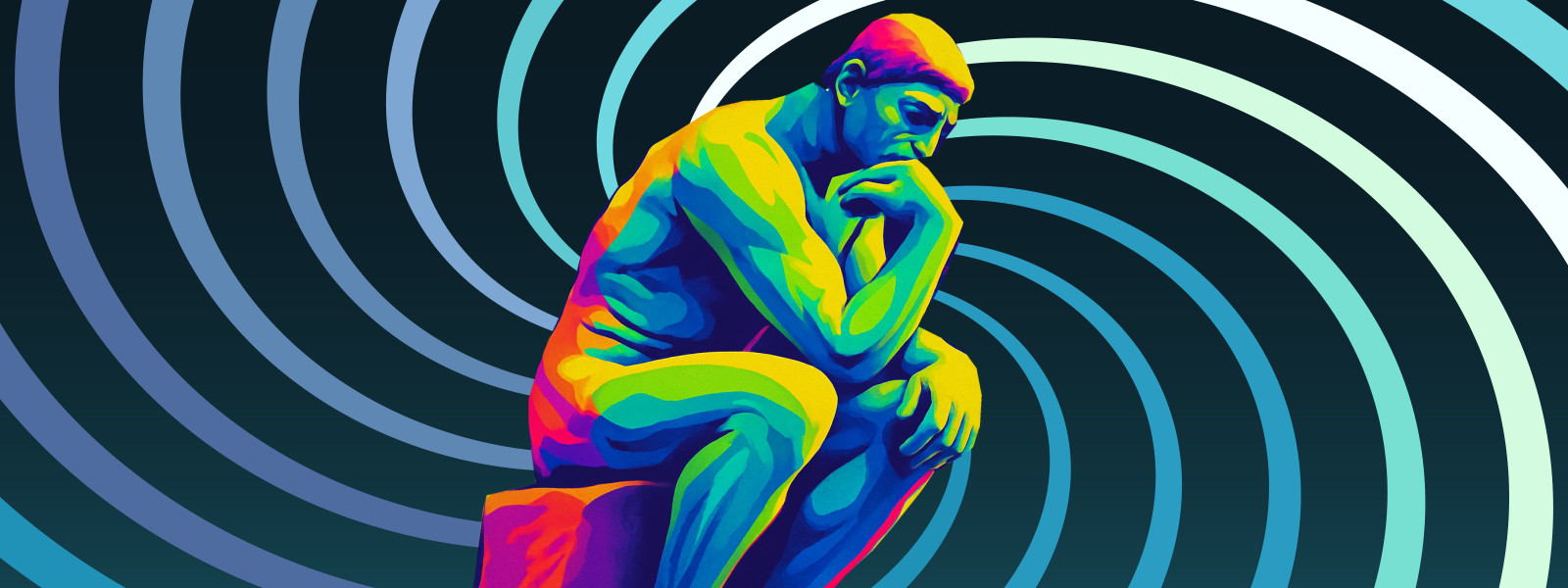
Los riesgos de la IA merecen atención, pero también debemos examinar las estructuras escolares que limitan creatividad y pensamiento crítico. El diseño educativo determina cómo utilizamos las herramientas.
When Sir Ken Robinson delivered his now-iconic TED Talk in 2006, proclaiming that “schools kill creativity,” he struck a chord that continues to reverberate through education systems worldwide. Robinson’s argument that our schools systematically squash imagination in favor of conformity and compliance sparked a movement for more creative, learner-centered approaches.
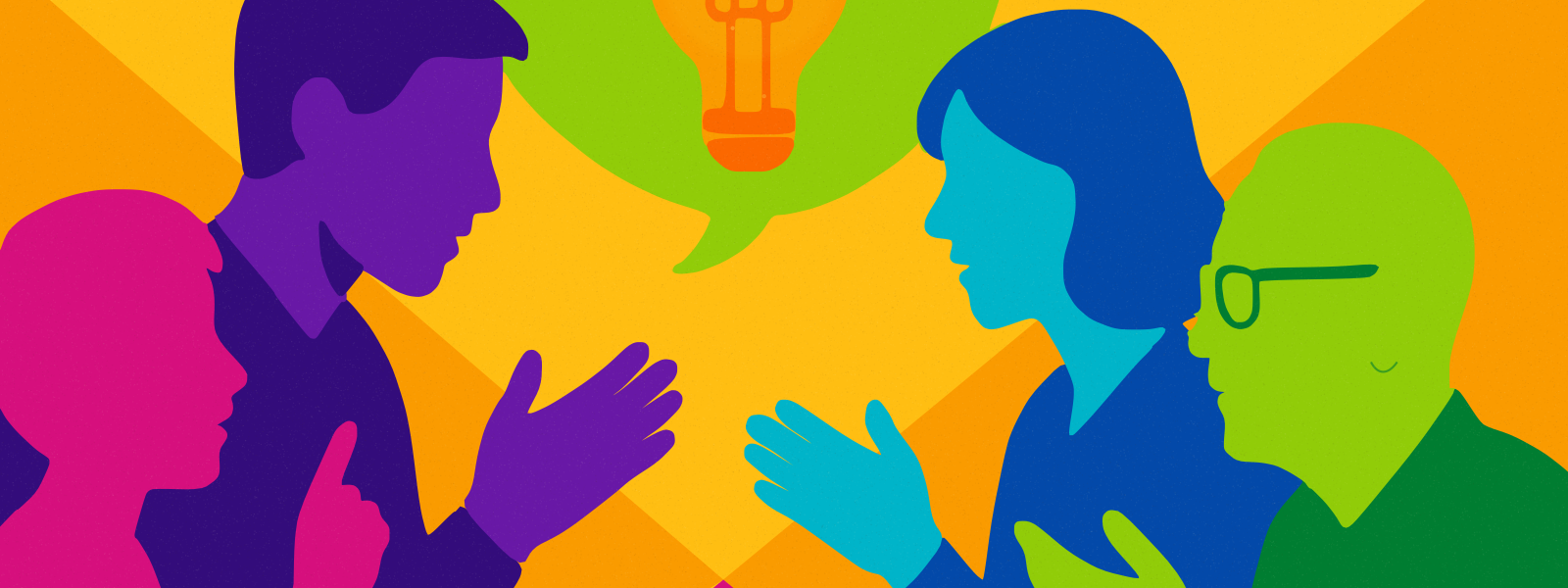
El aprendizaje entre generaciones permite compartir experiencias, desarrollar confianza y asumir papeles recíprocos. Las escuelas pueden crear esas condiciones.
In most schools today, students are grouped strictly by age, progressing year by year in parallel cohorts. While this structure simplifies scheduling and curriculum delivery, it also narrows the social and cognitive range of experiences available to learners.
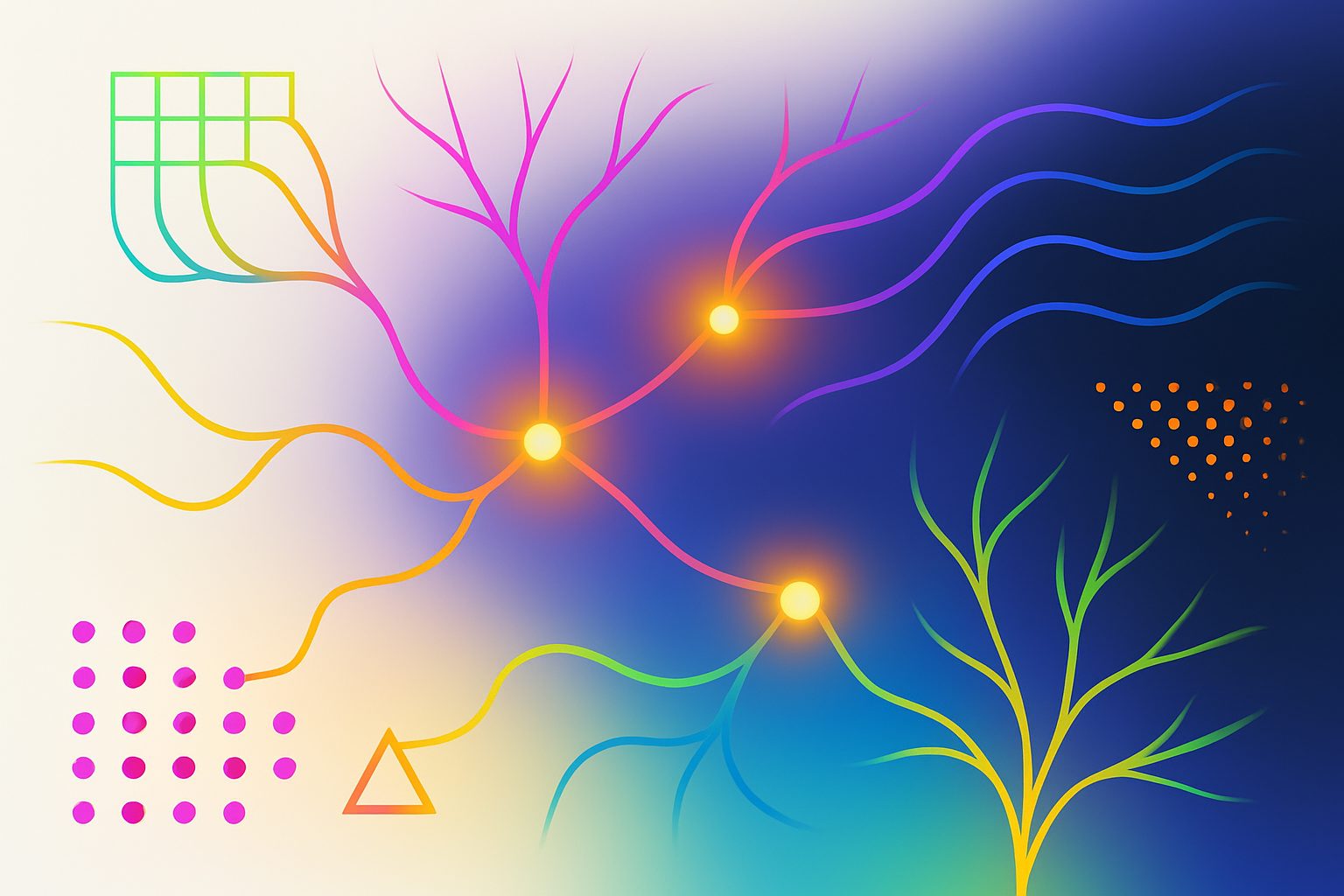
El conocimiento crece donde se encuentran disciplinas, culturas y experiencias. La educación debe permitir conexiones, indagación y participación.
In early 2020, as COVID-19 swept across the globe, the world was confronted with a challenge that no single expert, institution, or government could tackle alone. The response to the crisis demanded a convergence of diverse insights, rapid experimentation, and global collaboration to develop new knowledge.
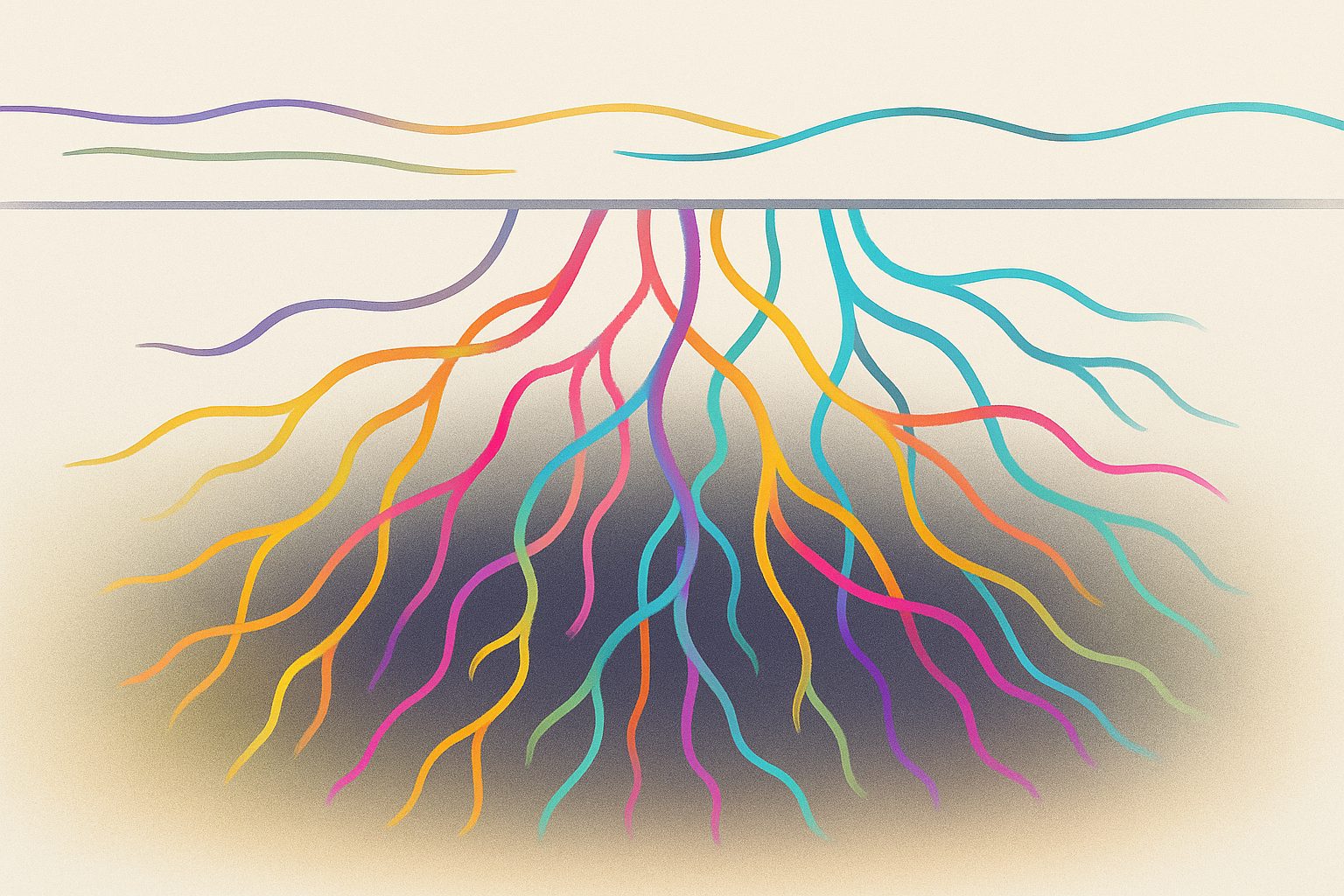
Aprendemos mediante curiosidad, experiencias y relaciones que los sistemas formales no siempre ven. La educación debe crear condiciones de confianza para ese crecimiento.
Most learning unfolds as an organic process: quiet, continual, and often unseen. Like breath or the silent growth of roots, it extends beneath the surface of formal schooling, leaving little trace on a transcript.