

Disarm the mind, capture the state
Disinformation threatens democratic power by compromising the institutions through which people investigate claims, judge evidence, and challenge authority.
Topic
Arguments and commentaries that challenge inherited assumptions about education, technology, and institutional change.
Disinformation threatens democratic power by compromising the institutions through which people investigate claims, judge evidence, and challenge authority.


As AI takes on more codified work, schools need to develop the personal knowledge people use to create new value.
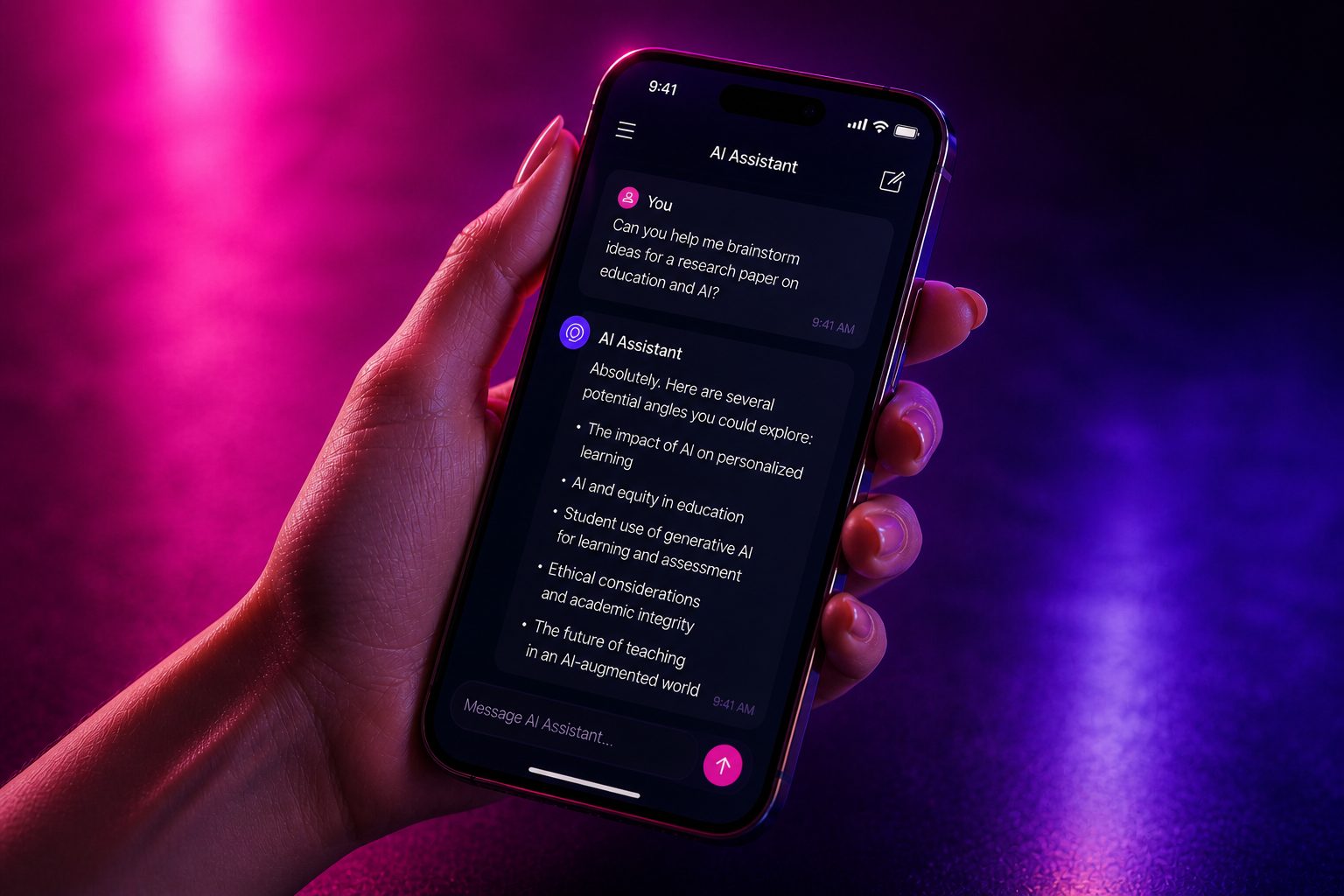
This article examines what school phone bans reveal about control, trust, and the purpose of education. It argues that the debate is less about devices than about how institutions understand learning and student agency.

Big Tech shapes what schools can teach and how knowledge circulates through AI platforms. Education needs the capacity to govern these systems in the public interest.
Thomas Arnett’s piece “AI can personalize learning. It can’t make students care” makes a compelling case that adolescent motivation is deeply social and that AI, however powerful, can’t replace the human need for recognition and belonging.

The modern internet is aging, and the cracks are showing. For nearly three decades, we have built online spaces rooted in structures that, while groundbreaking at the time, now struggle to serve the ways we live, work, and learn today.

This article examines how misinformation is designed to spread and why education must respond. It argues for learning approaches that build critical judgment, media literacy, and democratic resilience.

This morning, the Royal Swedish Academy of Sciences awarded Daron Acemoglu, Simon Johnson, and James A. Robinson with the 2024 Nobel Prize in Economic Sciences.
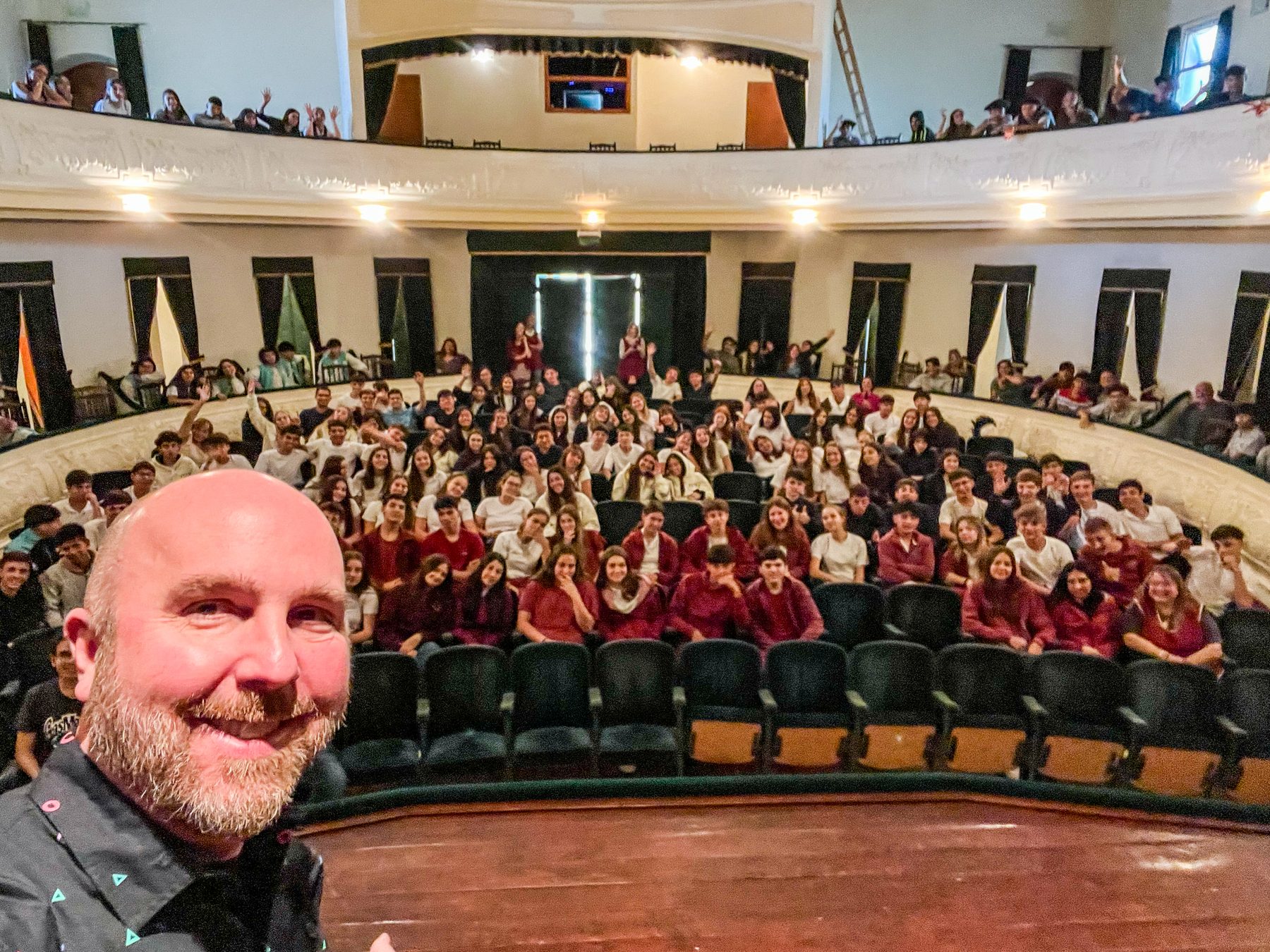
In recent talks in Argentina, Spain, and Colombia, I delved into the competencies essential for “knowmads” in the age of artificial intelligence (AI). This transformative era requires a shift in how educators approach teaching and learning, and it’s critical to understand what this means for teachers today.
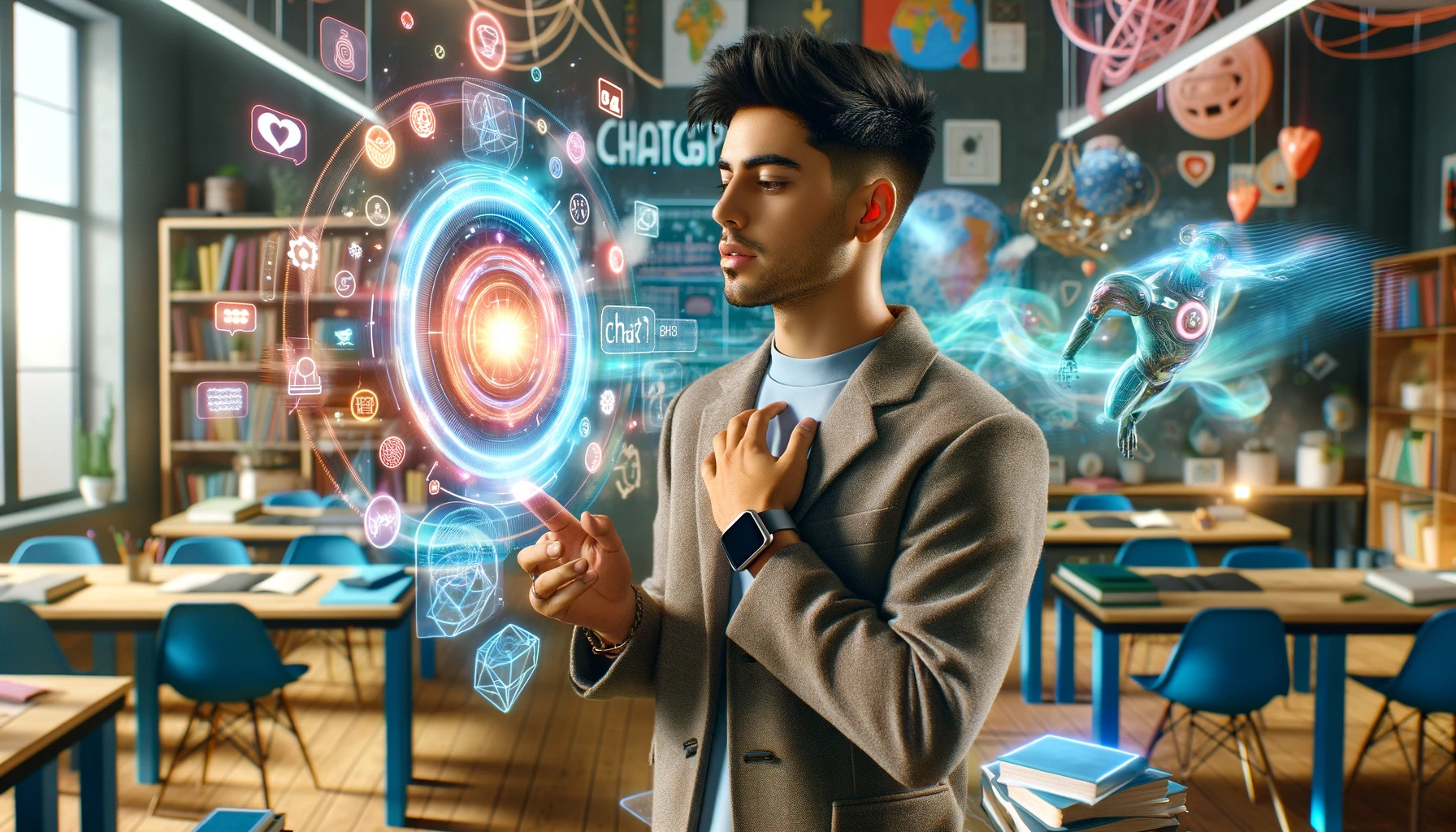
After decades of wondering if calculators, phones, or Wikipedia have a place in schools, the next target is obviously generative AI.

It’s “back to school” season in the United States and Europe, and the social media universe is ablaze with ideas on how to harness the Pokémon Go craze in the classroom.

In many the conversations about design thinking in schools, we tend to assume that mainstream education is poorly designed. What if it wasn’t?

Editor’s note: This provocative commentary originally appeared in Heb jij iets geleerd vandaag? – Een Sudbury school perspectief op leren, a blog by Sudbury schools in the Netherlands.