

Author
John Moravec
Articles and research by John Moravec.
Who are knowmads?
Over 20 years ago, I crafted the knowmad concept while a PhD student, investigating the future of work at the University of Minnesota. A few years later, I wrote a blog post with a general definition … and then things took off, catching me off guard.
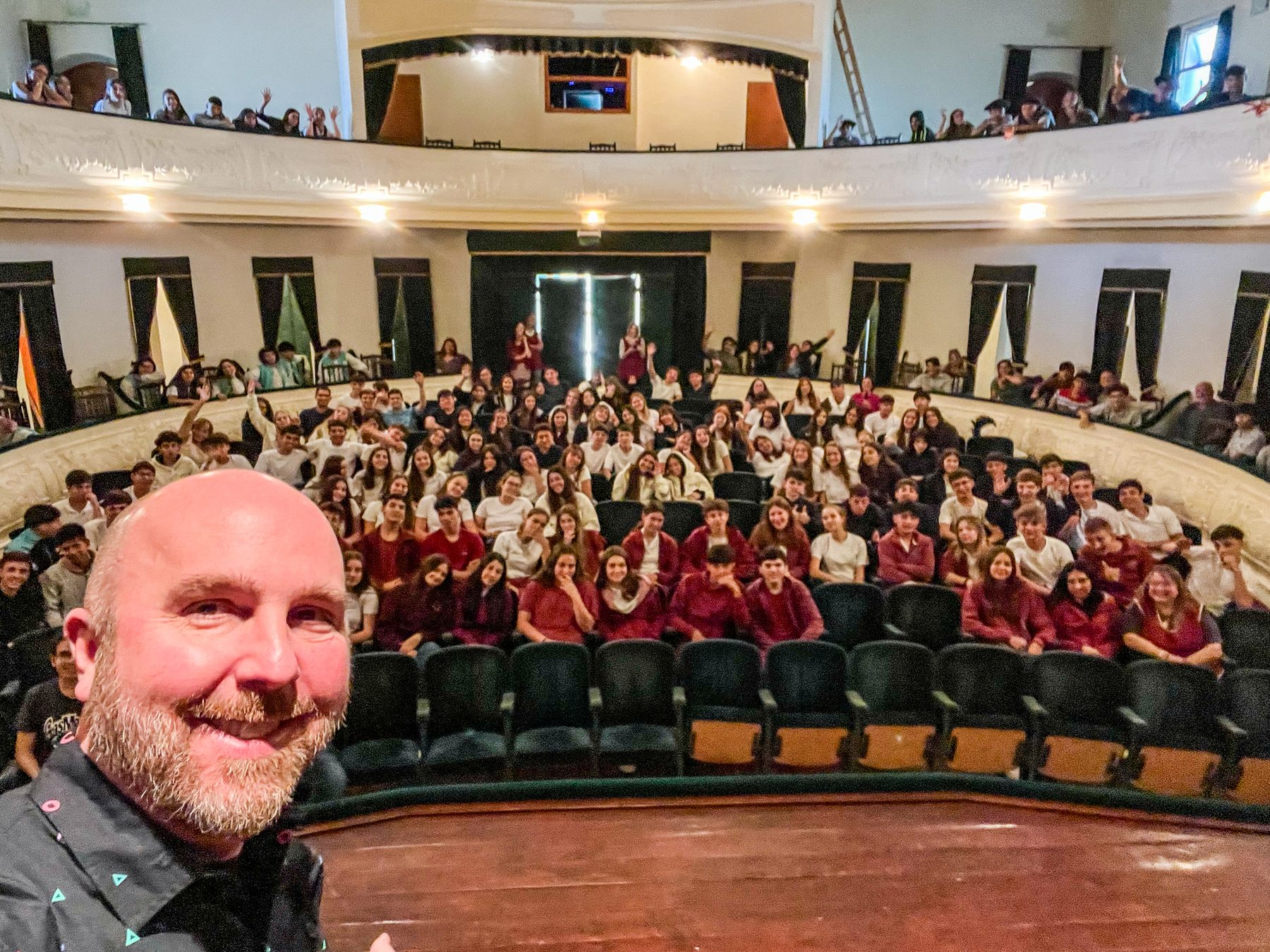
Teachers as knowmads in the era of AI
In recent talks in Argentina, Spain, and Colombia, I delved into the competencies essential for “knowmads” in the age of artificial intelligence (AI). This transformative era requires a shift in how educators approach teaching and learning, and it’s critical to understand what this means for teachers today.
Did AI replace the need for STEM learning?
This article examines how artificial intelligence is changing the skills and competencies people need. It distinguishes capabilities likely to be affected by generative AI from those that remain essential for future learning and work.

Seconds beyond the inflection point
This article examines how generative AI and other technologies may automate large portions of people’s work. It considers what this inflection point means for education, skills, and human agency.
Embracing a tomorrow beyond automation
Over the past decades, I’ve explored the evolving landscape of learning and work in the 21st century. The imminent arrival of Artificial General Intelligence (AGI) is a pivotal moment in this journey, marking a transition from the theoretical to the very real and imminent.
Schools are still struggling with the question: Is it okay for students to use technologies?
After decades of wondering if calculators, phones, or Wikipedia have a place in schools, the next target is obviously generative AI.

Shifting toward a knowmadic public policy: An agile proposal
Knowmads are not confined by the classic structures of a fixed workplace or set of tools. They are agile, adaptable, and adept at navigating the complexities of the modern world.
Innovating physical & virtual learning spaces: Fostering the growth of modern knowmadic learners
In this technological era, we cannot shy away from speaking about knowmadic people, not just learners, but workers, community members and global citizens alike. A knowmad is someone who is flexible, fluent in the technology of their time, and unafraid to take risks.
The power and potential of EdTech: Using AI as a study tool … and maybe more
As reported in The Verge, Quizlet, came up with AI features to assist students using their tools. The notion sounds compelling, right?
Embracing the AI storm in learning
Manifesto 15, conceptualized in 2015, is a forward-thinking document outlining a vision for the future of education. It proposes a shift from traditional, rigid, and standardized educational models to flexible, learner-centered, and experience-driven paradigms that embrace change, encourage lifelong learning, and foster creativity.
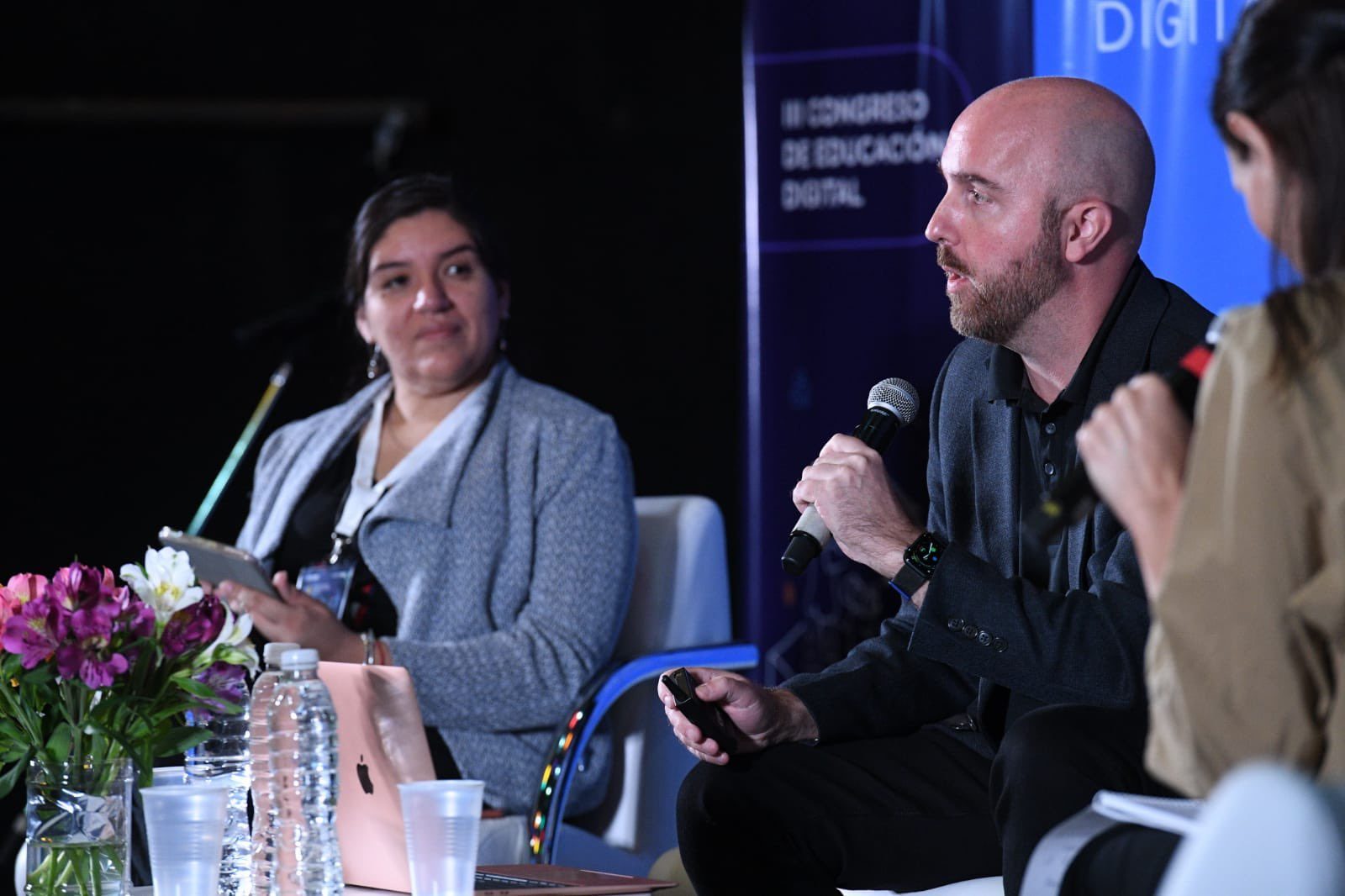
Disruptive technologies and global transformations
The past year was crucially important for the world to work on building better futures for education as societies found ways to better cope with COVID-19 and schools gradually reopened. At the same time, the world experienced tremendous setbacks, such as global disruptions caused by Russia’s invasion of Ukraine and the climate catastrophe in Pakistan, with floods that destroyed or damaged nearly 27,000 schools.

International education in the era of COVID-19
Note: This article originally appeared in Sociální Pedagogika | Social Education, 8(1), 38-42.
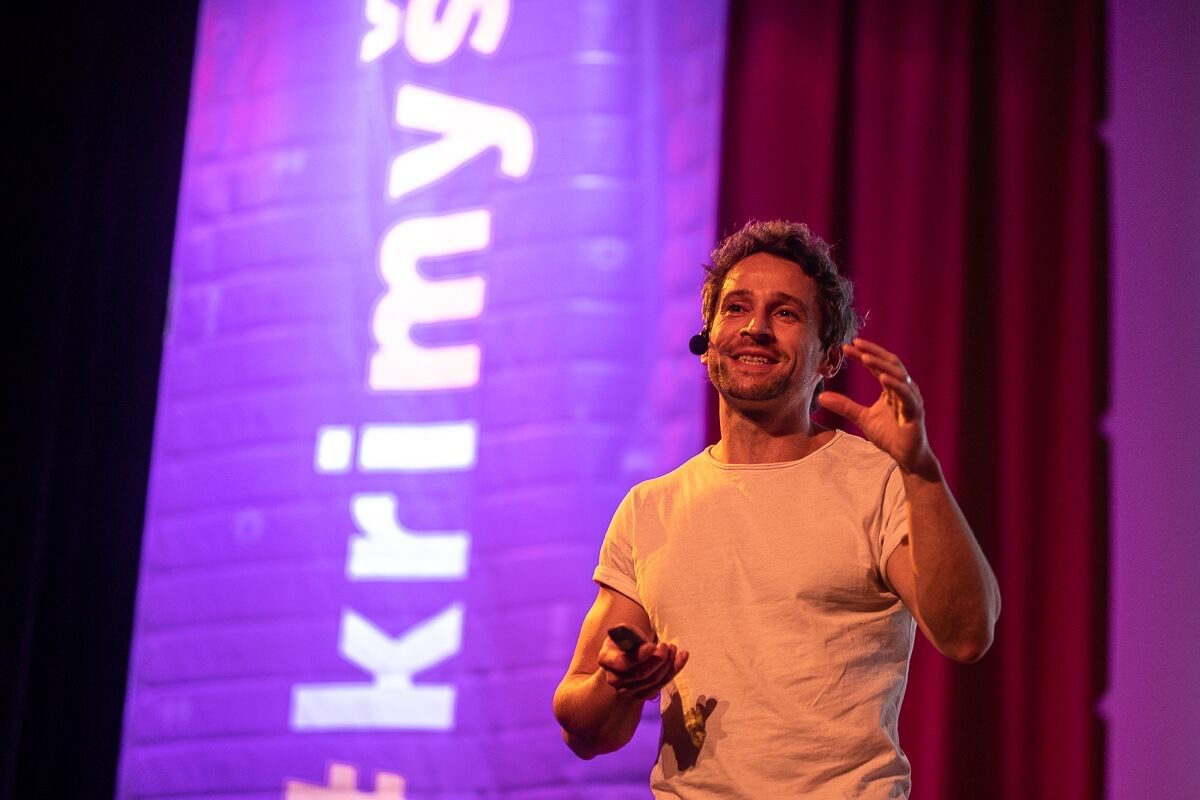
“No future” if we do not make serious efforts to invest in and modernize education
Czech media maverick Bohumil “Bob” Kartous asks, can steam engines carry us into the virtual world?
Ihanainen’s affordances of pedagogy
Pekka Ihanainen, a Finnish teacher educator, is one of the most abstract, conceptual thinkers I have ever known. He is a crafter of ideas.

Building a Leapfrog University
In 2006, the University of Minnesota engaged in a strategic repositioning process to transform it into one of the top universities in the world. To many, it seemed like a lot of promises, but not much substance.
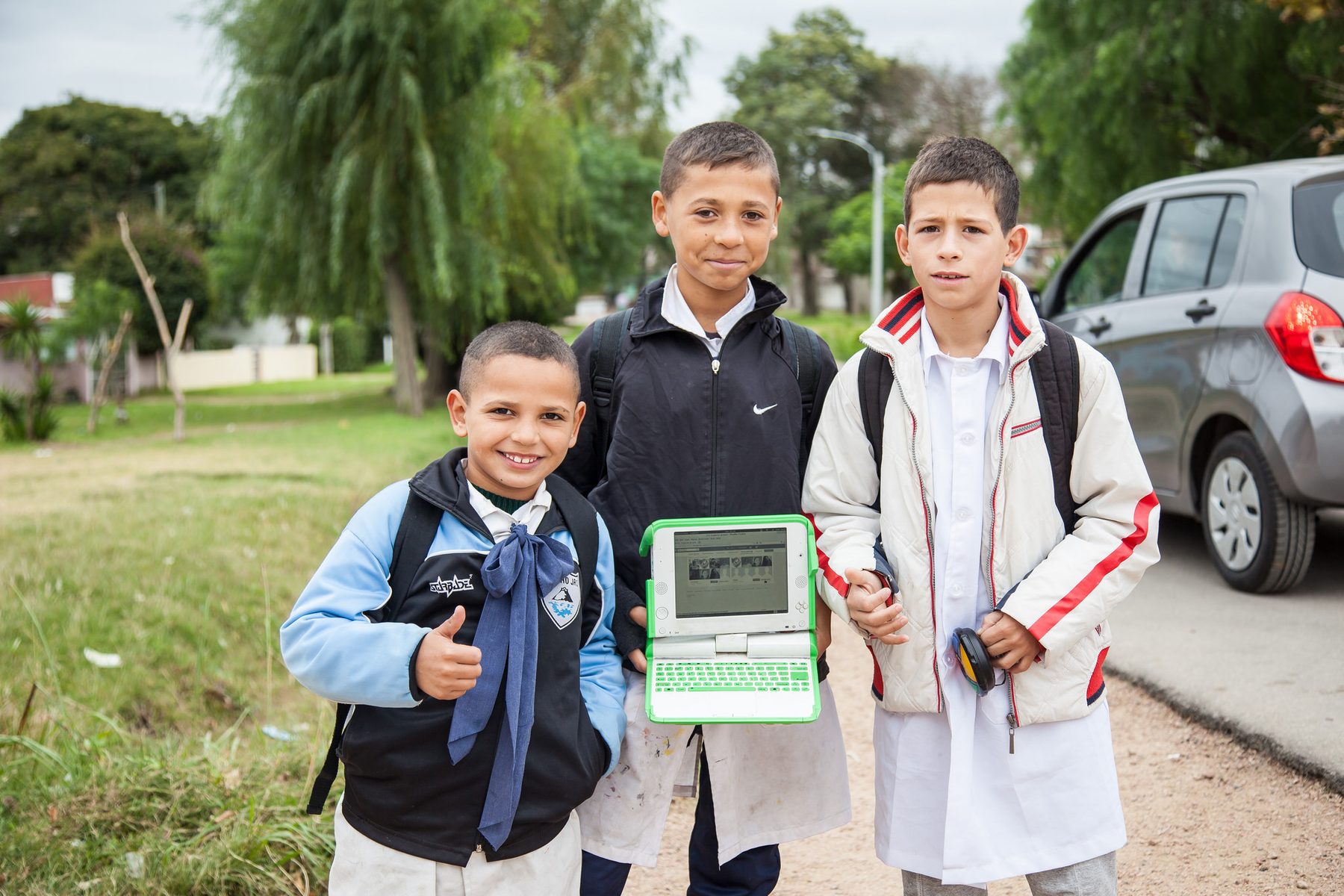
Plan Ceibal 2020: Future scenarios for technology and education
I am pleased to have collaborated with Matías Mateu and Cristóbal Cobo on the publication of research regarding the future of Uruguay’s national technological and innovation policy initiative, Plan Ceibal. As this paper is directly related to Matías‘ master’s thesis, Cristóbal and I took on largely advisory roles to support his work.
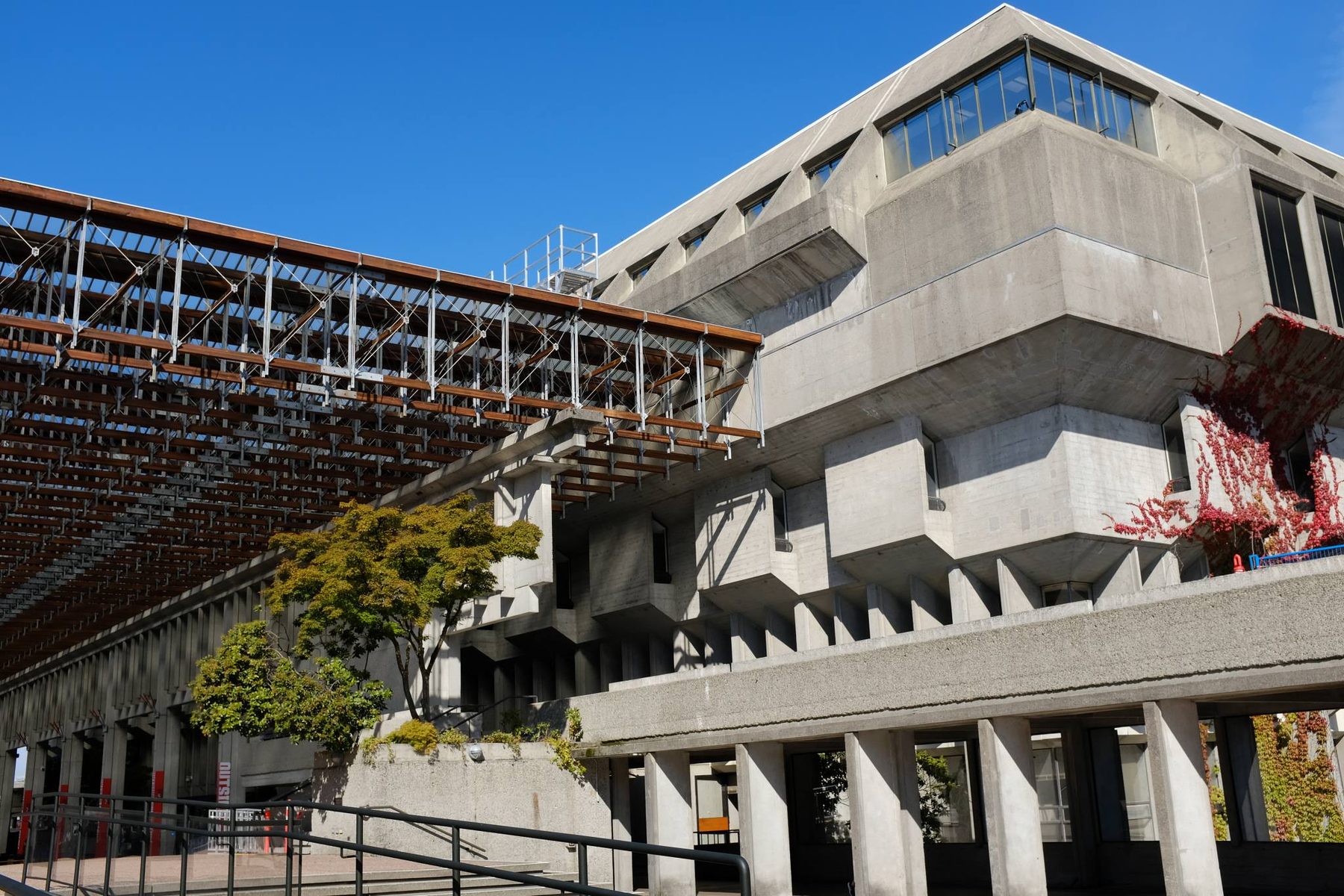
Designing campus futures
A few months ago, I received an invitation for a dream gig. Simon Fraser University at Burnaby, British Columbia is designing a master plan to guide the institution for the next 50 years, and they needed an education futurist to provide some thought leadership.