
Why Pokémon Go and Minecraft in the classroom are very bad ideas
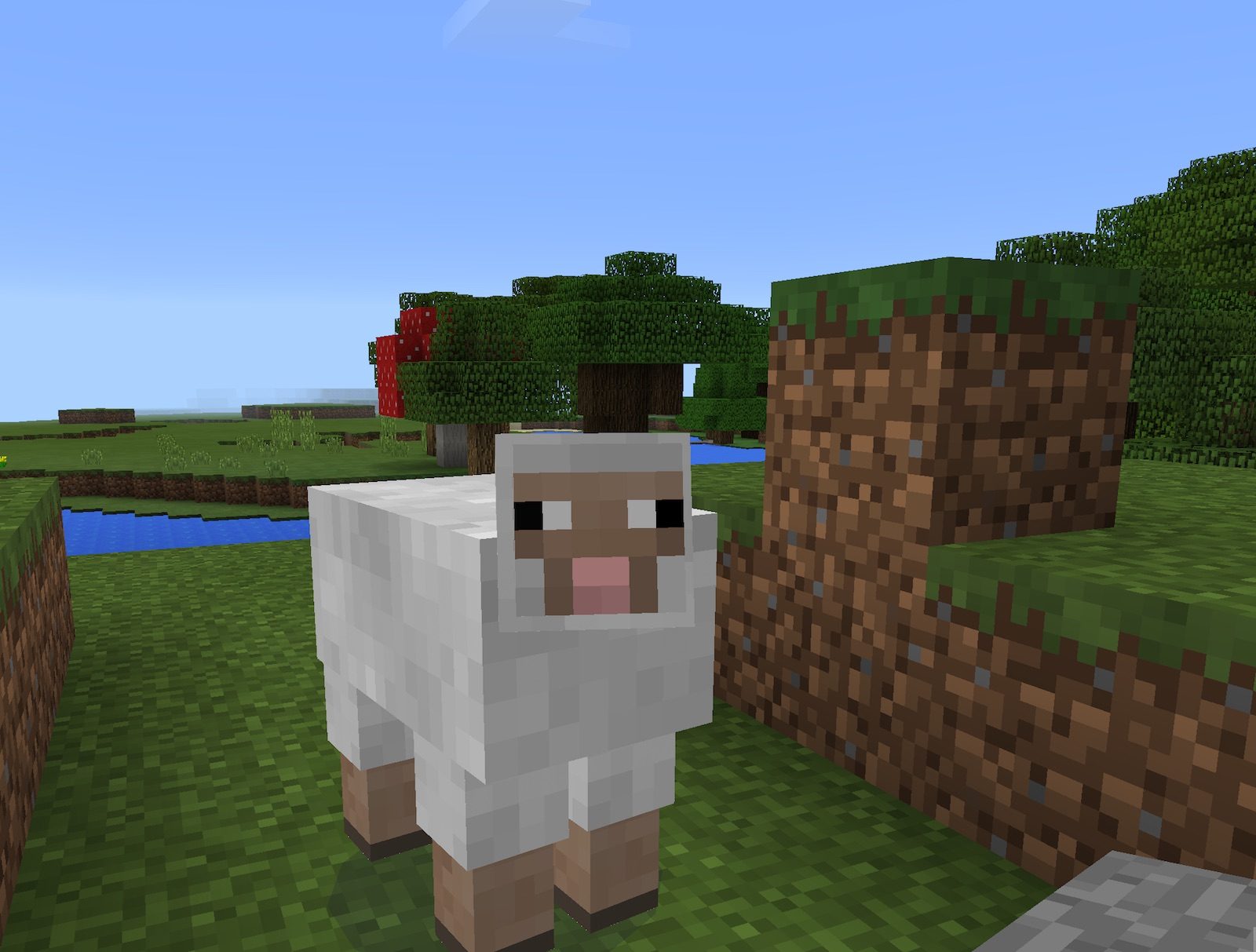
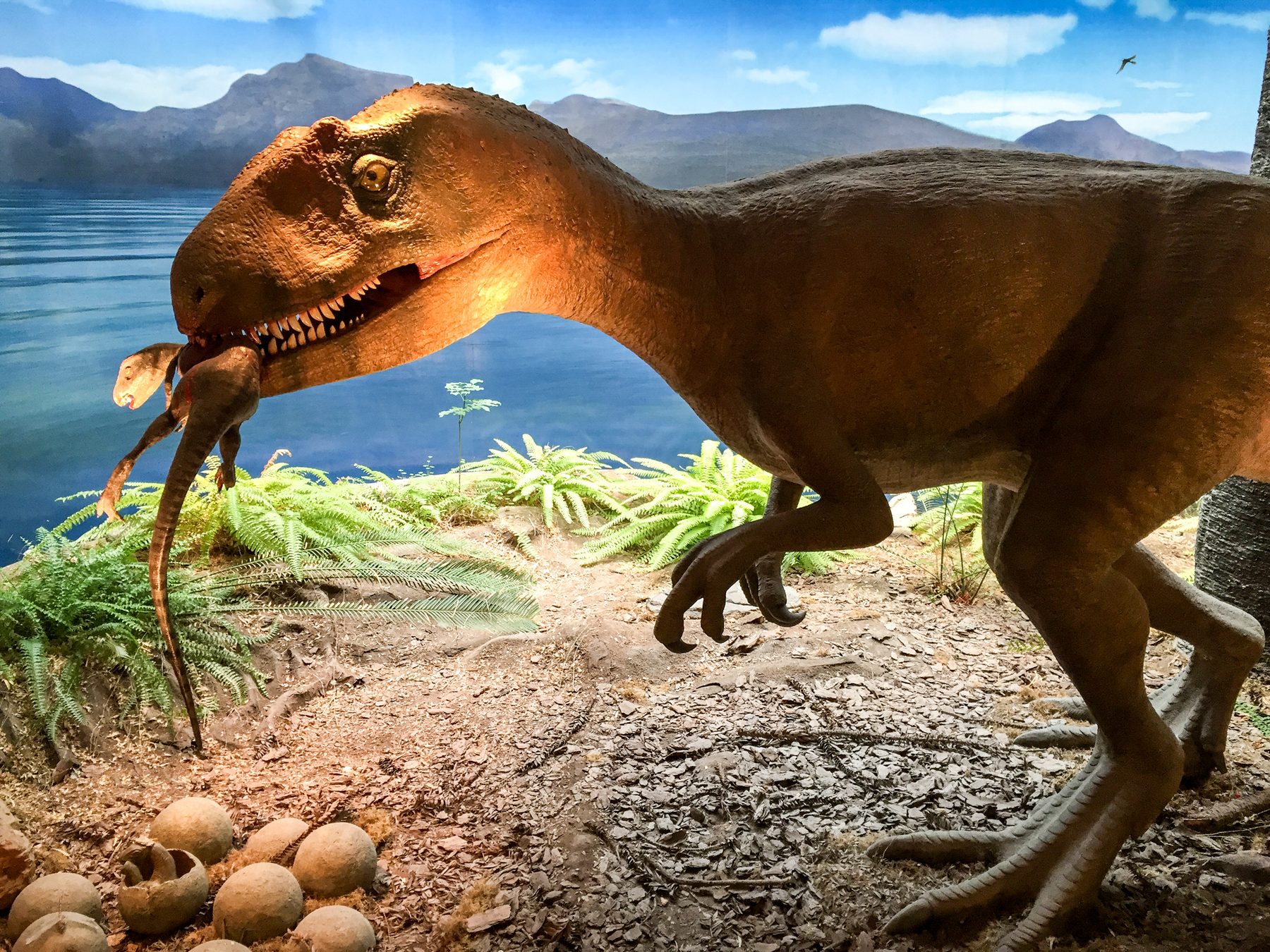
It’s “back to school” season in the United States and Europe, and the social media universe is ablaze with ideas on how to harness the Pokémon Go craze in the classroom.
Author
Articles and research by John Moravec.
It’s “back to school” season in the United States and Europe, and the social media universe is ablaze with ideas on how to harness the Pokémon Go craze in the classroom.
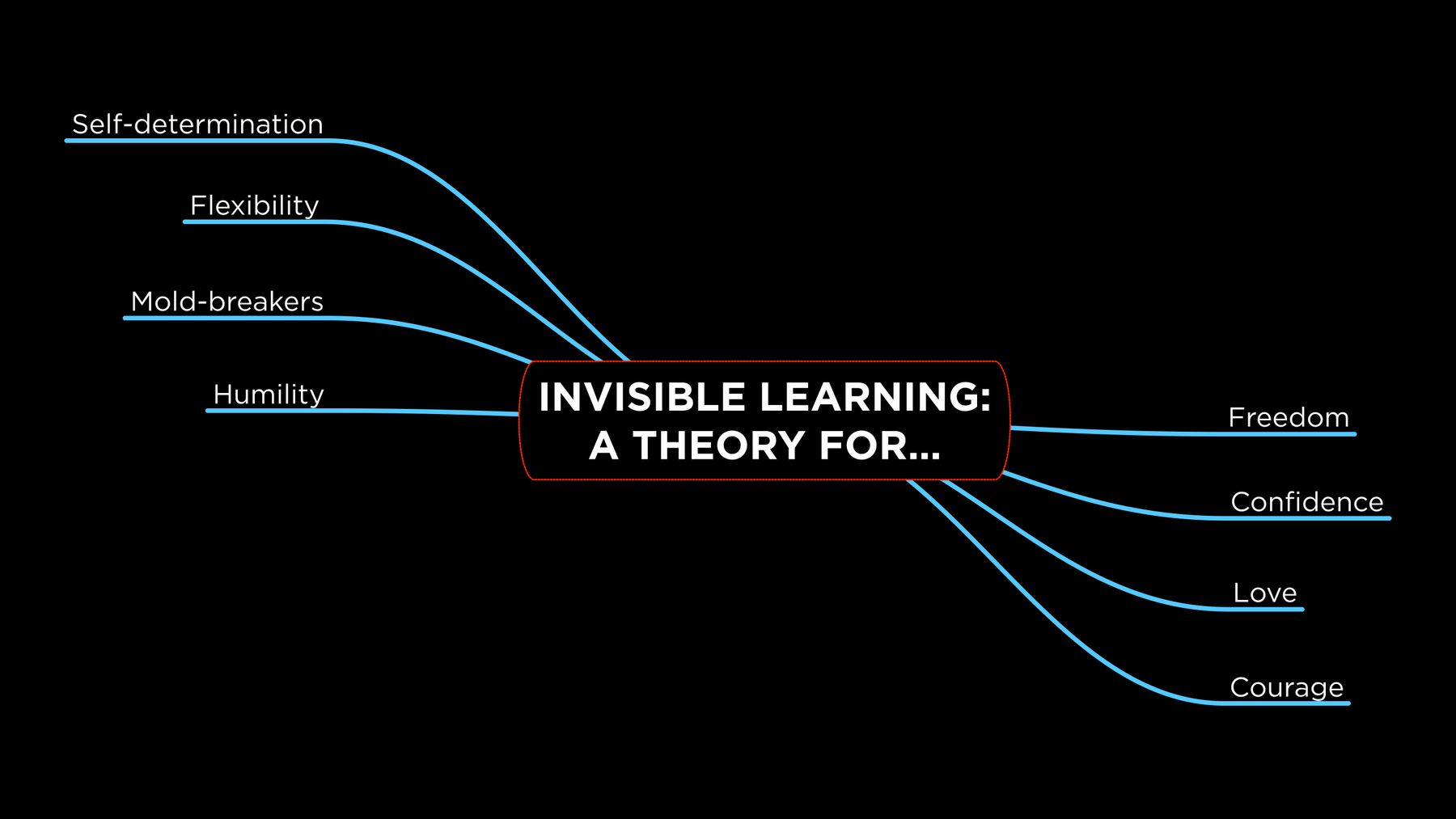
This second article in a three-part series develops a theory of invisible learning. It examines how informal, non-formal, and serendipitous experiences shape what people know.
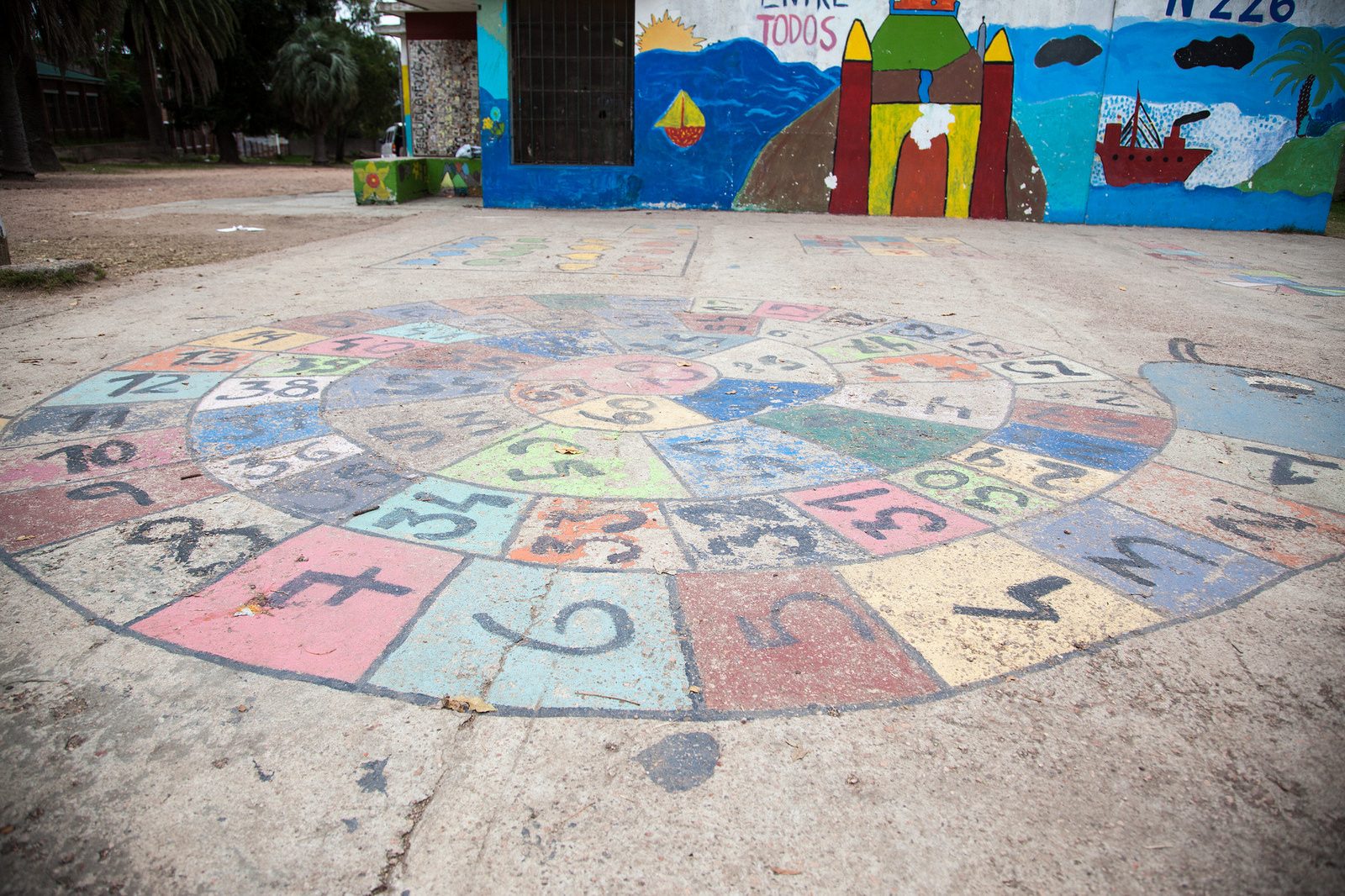
This final article in a three-part series presents approaches for enabling invisible learning. It highlights participation, play, exploration, and learner self-determination.
Note: This is the first article in a three-part series on a new theory for invisible learning.

Like many of us, I did some reflecting over the New Year. It seemed it was time to re-center, and get back to basics.
This report reflects on the 2013 European Democratic Education Community conference. It considers how democratic education supports learner agency, participation, and new approaches to schooling.

In many the conversations about design thinking in schools, we tend to assume that mainstream education is poorly designed. What if it wasn’t?
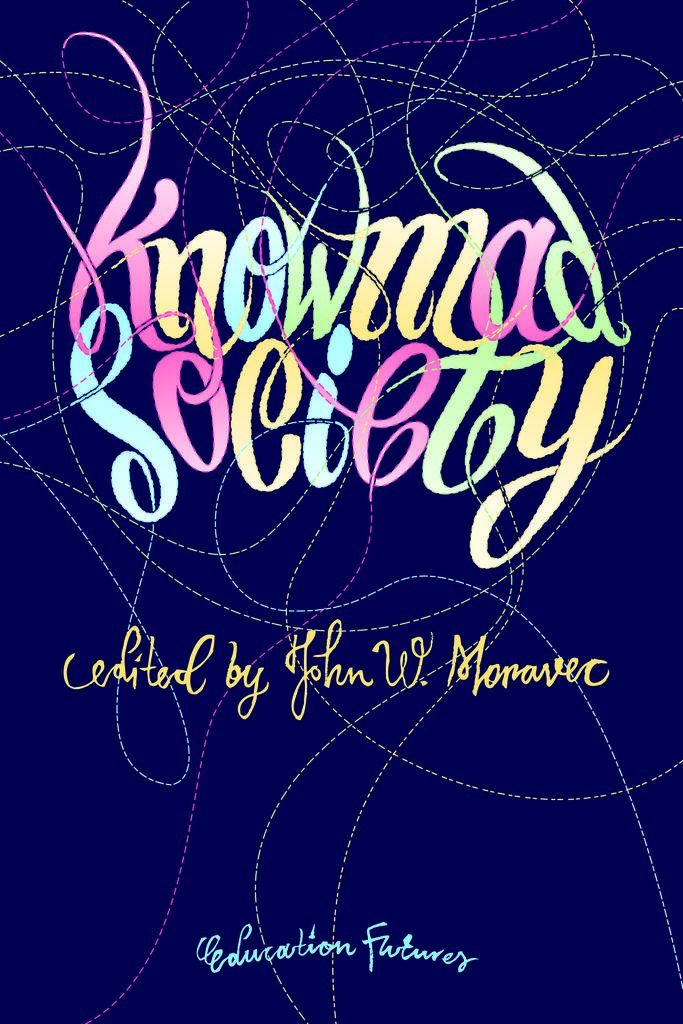
I am very pleased to share that the print edition of Knowmad Society is released, and it is beautiful!

Matt Novak uses a paleofuture perspective to examine how earlier generations imagined tomorrow. The conversation reveals what those visions say about our hopes, fears, and assumptions about the future.

A couple weeks ago, Carlos Scolari interviewed me for a project on pedagogical innovation and disruptive practices in higher education at the Universitat Pompeu Fabra (Barcelona). The aim of the project is to produce a document on the “university of the future,” including diagnosis, trends, and proposals for moving forward.
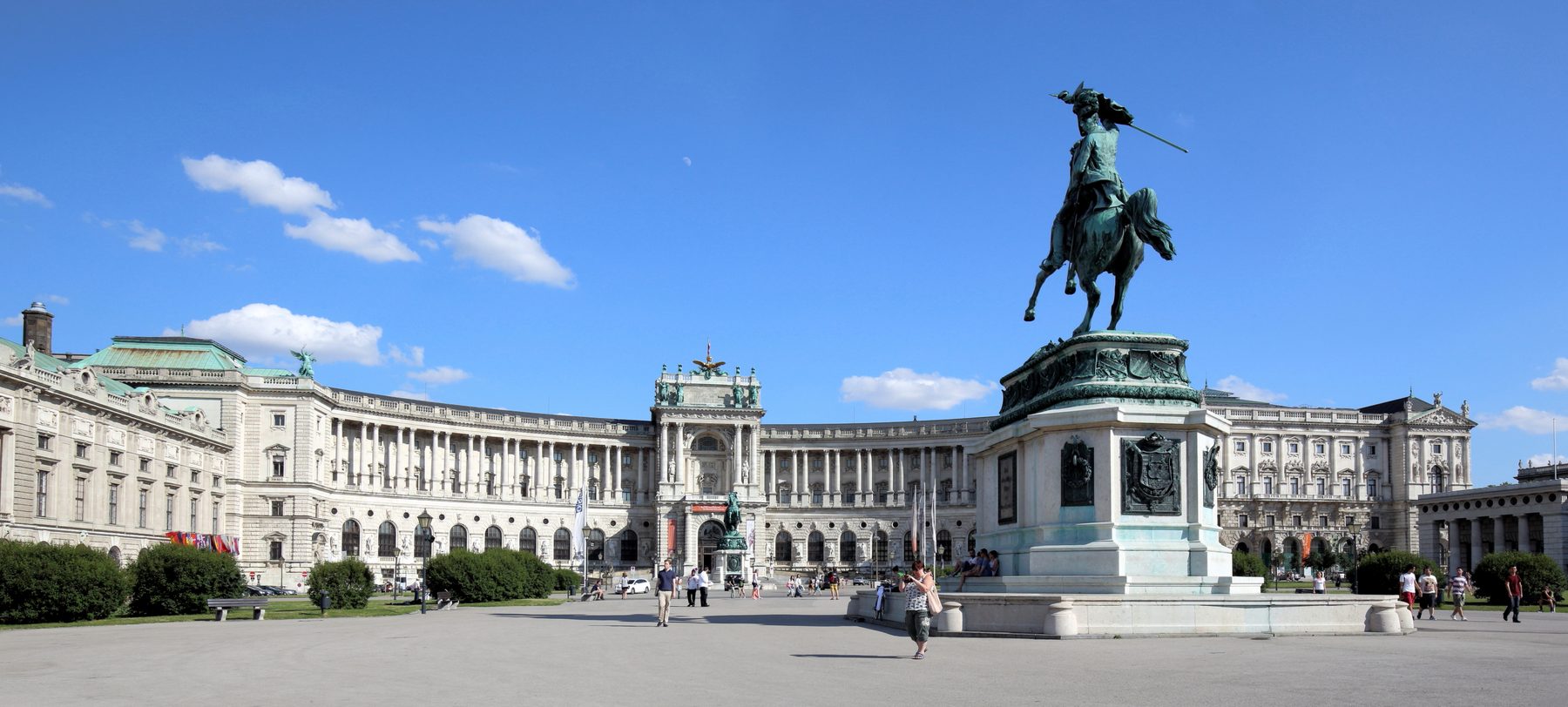
Last week, I attended the two-day Pioneers Festival in Vienna. Housed in the Hofburg imperial palace (an “impossible to book” venue), the event was a mixture between discussions, speeches and interactive workshops with topics concerning entrepreneurship, innovation, and technology.
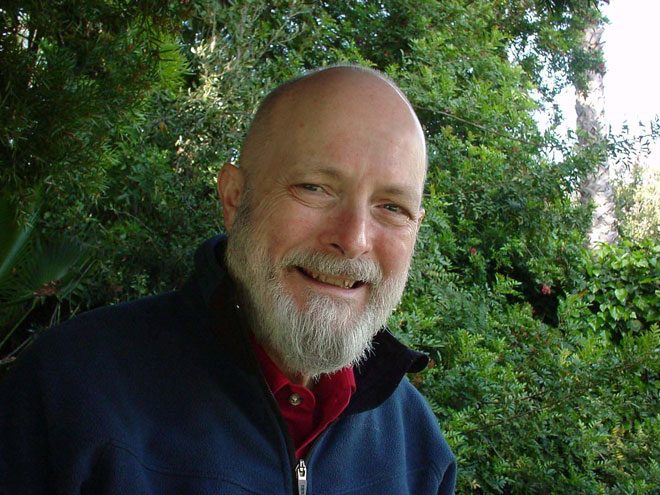
In this interview, John Moravec speaks with science fiction author and mathematician Vernor Vinge about the technological singularity. They consider how accelerating technological change could affect schools and society.
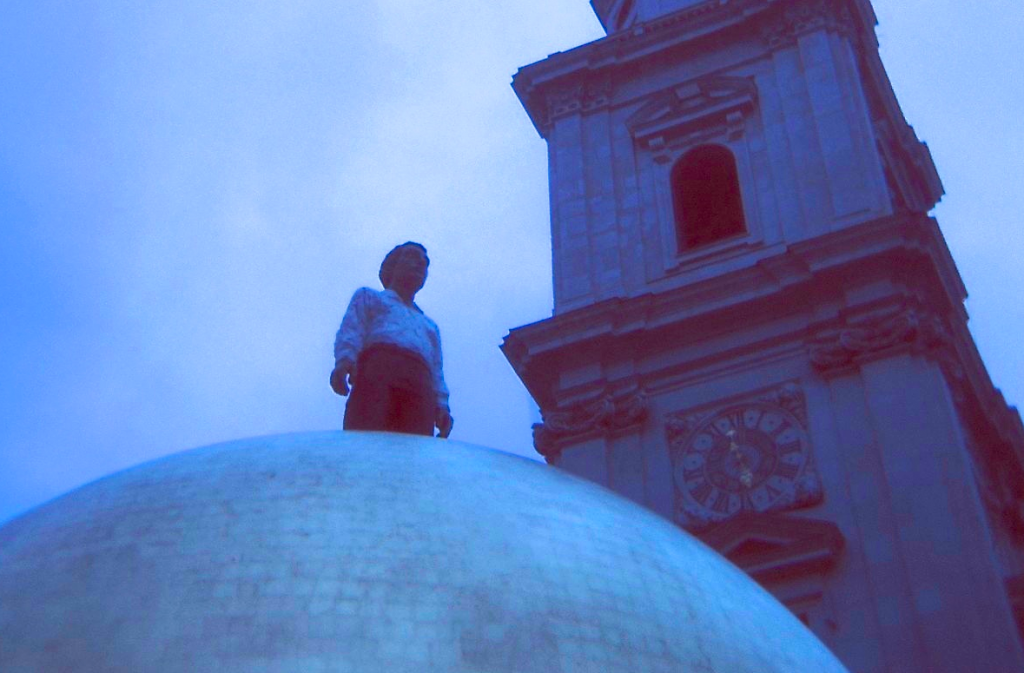
A knowmad is what I have previously termed a nomadic knowledge and innovation worker – that is, a creative, imaginative, and innovative person who can work with almost anybody, anytime, and anywhere. Moreover, knowmads are valued for the personal knowledge that they possess, and this knowledge gives them a competitive advantage.
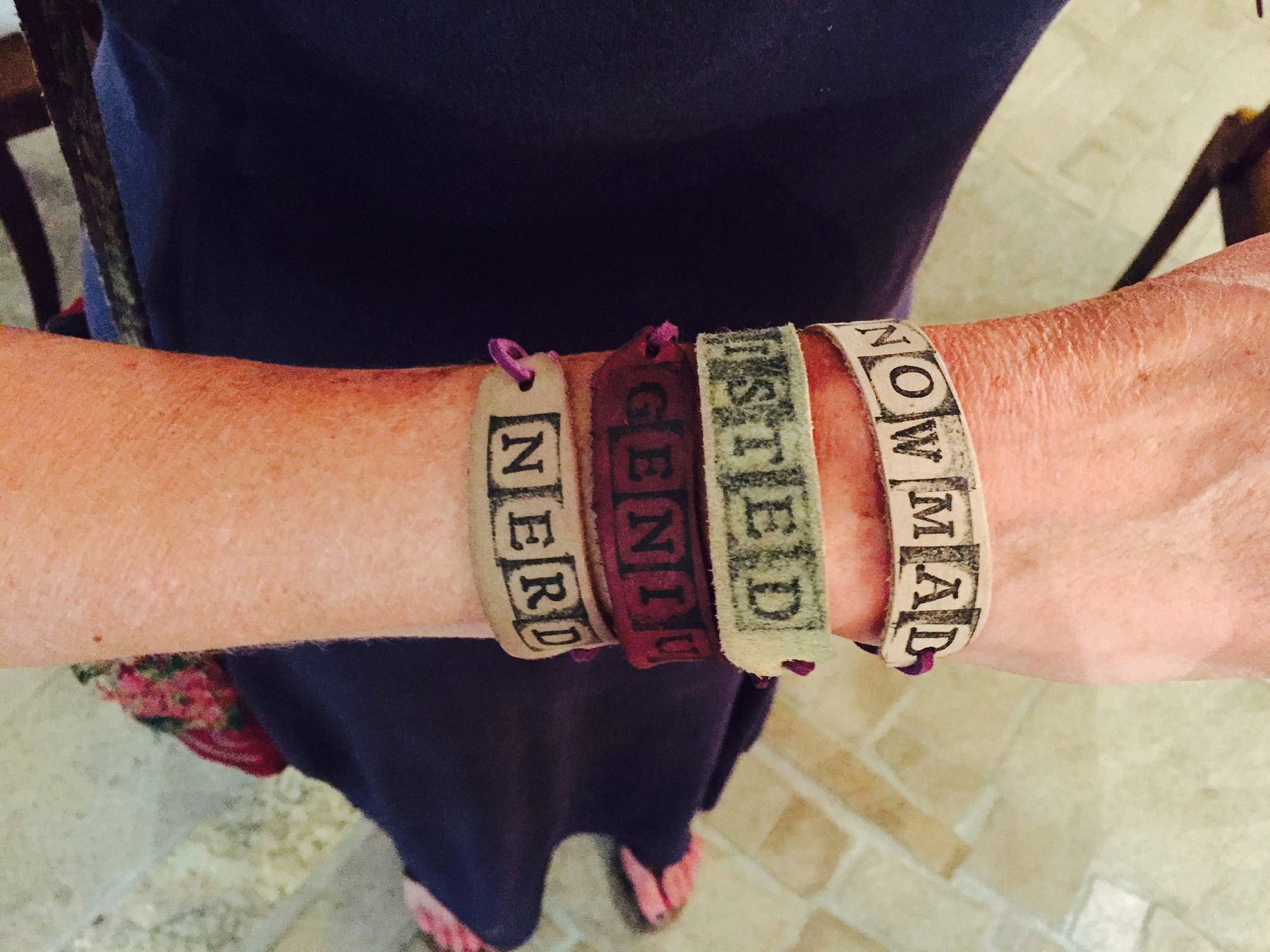
In the pre-industrial age, nomads were people that moved with their livelihood (usually animal herding) instead of settling at a single location.