


El aprendizaje auténtico nace de la libertad y de elegir nuestro propio camino
Los estudiantes necesitan libertad para explorar, decidir y aprender de sus errores. La educación debe crear condiciones de confianza y responsabilidad compartida.
Author
Articles and research by John Moravec.
Los estudiantes necesitan libertad para explorar, decidir y aprender de sus errores. La educación debe crear condiciones de confianza y responsabilidad compartida.
Depuis trop longtemps, l’éducation est structurée autour du contrôle. Les élèves sont placés sur des trajectoires prédéterminées, on leur dit quoi apprendre, quand l’apprendre et comment leur réussite sera évaluée.
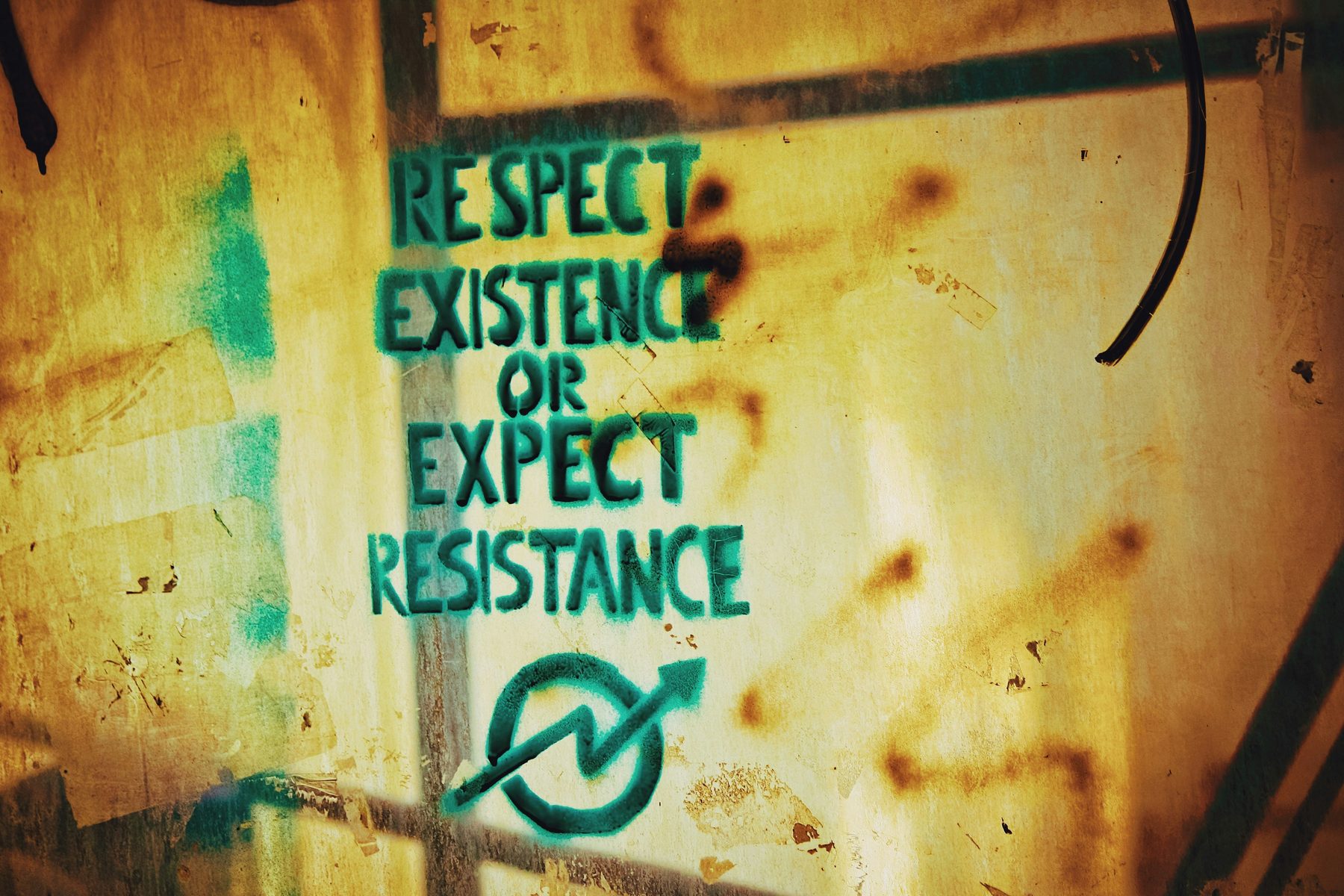
La inteligencia socioemocional y relacional debe ocupar el centro de la educación. La confianza, la empatía y el cuidado permiten aprender, disentir y reparar relaciones.
L’éducation échoue à son épreuve la plus fondamentale : préparer les personnes à être humaines dans un monde complexe et interconnecté. Les écoles prétendent former les leaders, les innovateurs et les citoyens de demain, mais elles continuent de fonctionner selon des modèles dépassés qui privilégient la conformité à la curiosité, la standardisation à la conscience de soi et la compétition à la collaboration.
Education is failing its most fundamental test: preparing people to be human in a complex, interconnected world. Schools claim to shape the leaders, innovators, and citizens of tomorrow, yet they still operate on outdated models that prioritize compliance over curiosity, standardization over self-awareness, and competition over collaboration.

Las comunidades digitales necesitan confianza, agencia y participación. Su futuro depende de cómo las personas construyan espacios de aprendizaje y colaboración que respondan a sus necesidades.
The modern internet is aging, and the cracks are showing. For nearly three decades, we have built online spaces rooted in structures that, while groundbreaking at the time, now struggle to serve the ways we live, work, and learn today.

This article argues that failures involving educational technology are symptoms of deeper problems in how learning is designed. It calls for using technology to transform learning rather than simply reproducing old practices.
Los fallos de la tecnología educativa revelan problemas en el diseño del aprendizaje. Incorporar herramientas exige revisar qué aprendemos, cómo lo hacemos y con qué propósito.
Cet article soutient que les échecs liés aux technologies éducatives sont les symptômes de problèmes plus profonds dans la manière dont l’apprentissage est conçu. Il appelle à utiliser la technologie pour transformer l’apprentissage plutôt que de simplement reproduire d’anciennes pratiques.

Last week, I had the privilege of presenting the closing keynote at the International Meeting on Educational Innovation and STEM Teaching hosted by Instituto Tecnológico de Buenos Aires, Argentina, where I shared my perspectives on the urgent need to rebuild higher education from the ground up and on the importance of pre active leadership.

This article examines how misinformation is designed to spread and why education must respond. It argues for learning approaches that build critical judgment, media literacy, and democratic resilience.
The integration of artificial intelligence into educational settings is rapidly transforming the landscape of teaching and learning. As AI becomes more common in schools, strong policies are needed to use it effectively and ethically.

Esta mañana, la Real Academia Sueca de Ciencias otorgó a Daron Acemoglu, Simon Johnson y James A. Robinson el Premio Nobel de Ciencias Económicas 2024.
This morning, the Royal Swedish Academy of Sciences awarded Daron Acemoglu, Simon Johnson, and James A. Robinson with the 2024 Nobel Prize in Economic Sciences.

David Wiley’s recent post at Improving Learning got me thinking about the rise of “generative OER” for content creation and customization and how AI is reshaping educational content. He also touches on the idea of “open prompts” and “open weights” as emerging forms of OER, enabling users to adapt content for specific needs.

Comment le concept de knowmad, né d’une recherche sur l’avenir du travail, s’est diffusé dans le monde.
Cómo nació el concepto de knowmad en una investigación sobre el futuro del trabajo y por qué se difundió por el mundo.