

Author

Education Futures

Articles and research by Education Futures.

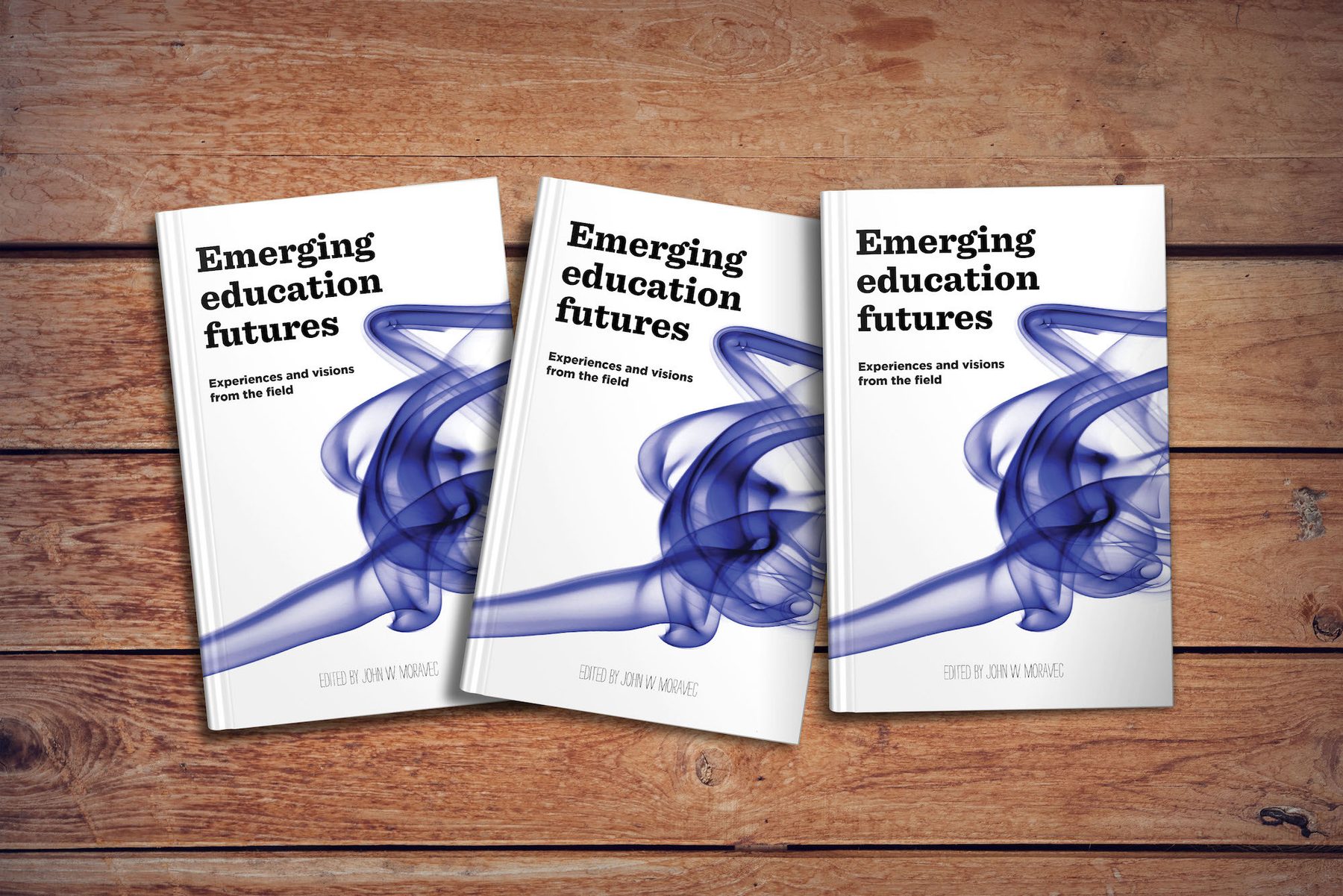
New book: Emerging education futures

Education Futures is pleased to announce the release of the book, Emerging education futures: Experiences and visions from the field. With contributions from four continents, this volume reveals a ‘snapshot’ of some of our best thinking for building new education futures.

Read article

Cheating the death of imagination: Teaching the unknowable

The idea of a Technological Singularity has been discussed and debated intensely since the early 1990s. Coined by Vernor Vinge and popularized by Ray Kurzweil, the idea is that as technologies evolve, technologies improve, costs decrease; and, in turn, the process of technological evolution advances and speeds itself up, creating a J-curve of exponential, accelerating change.

Read article

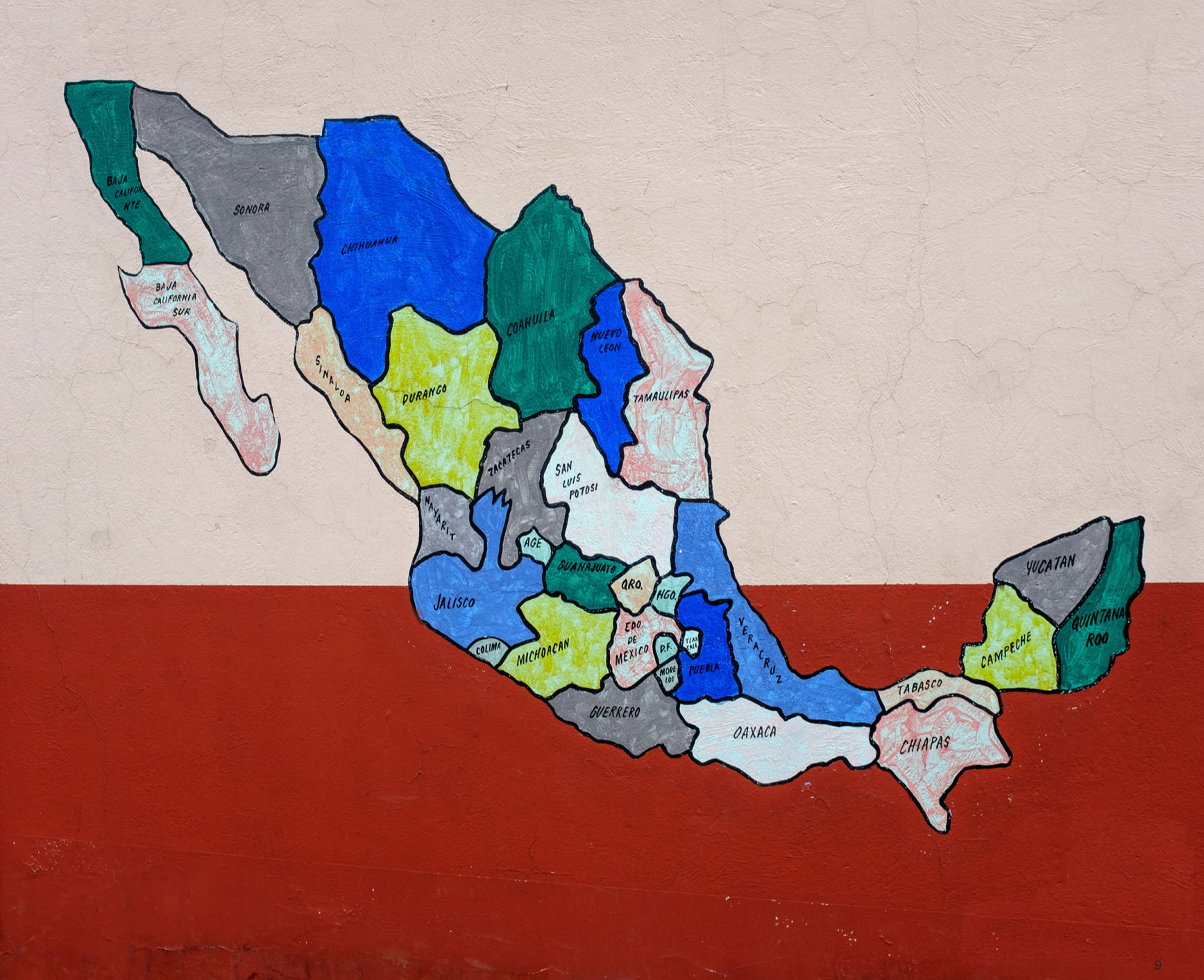
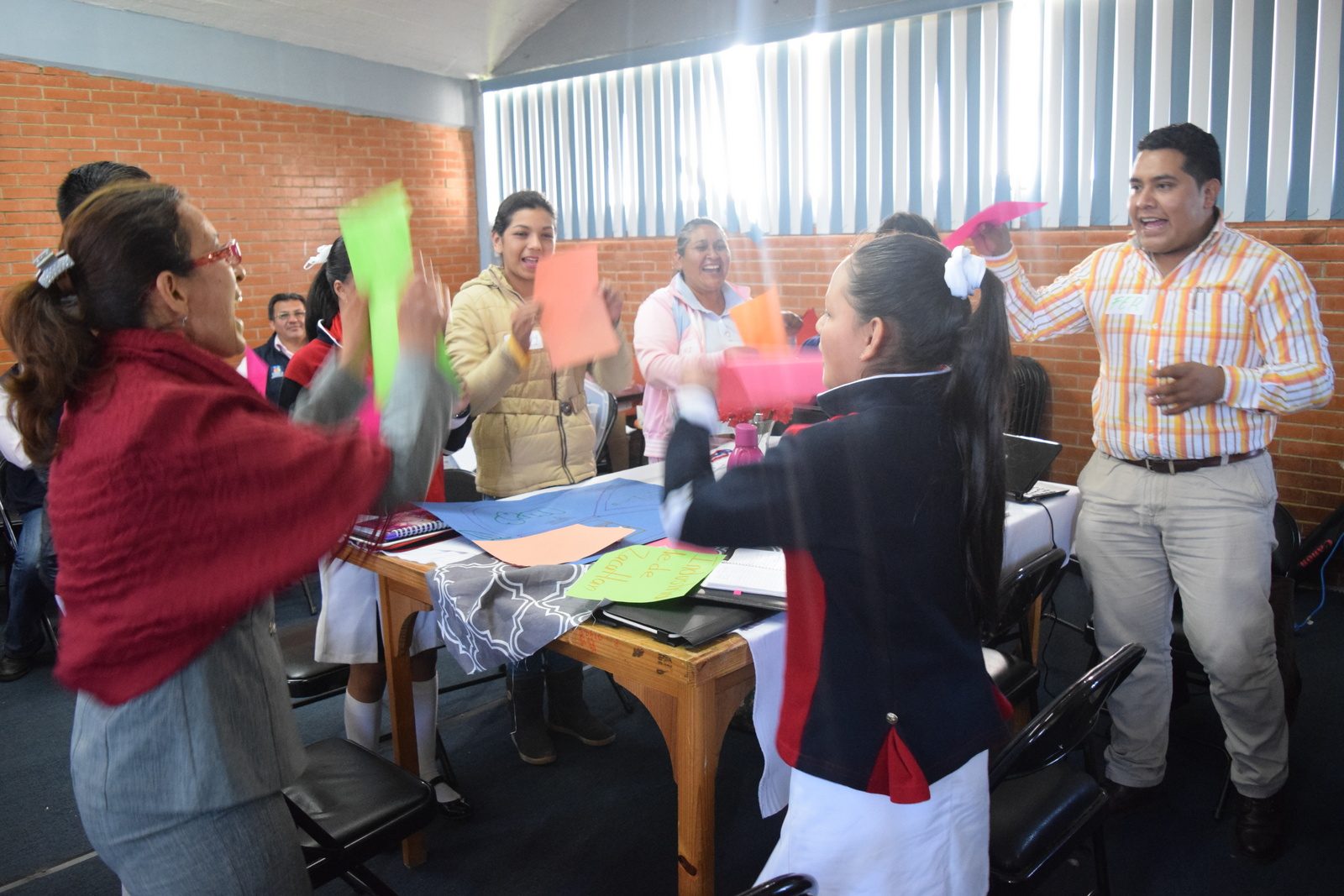
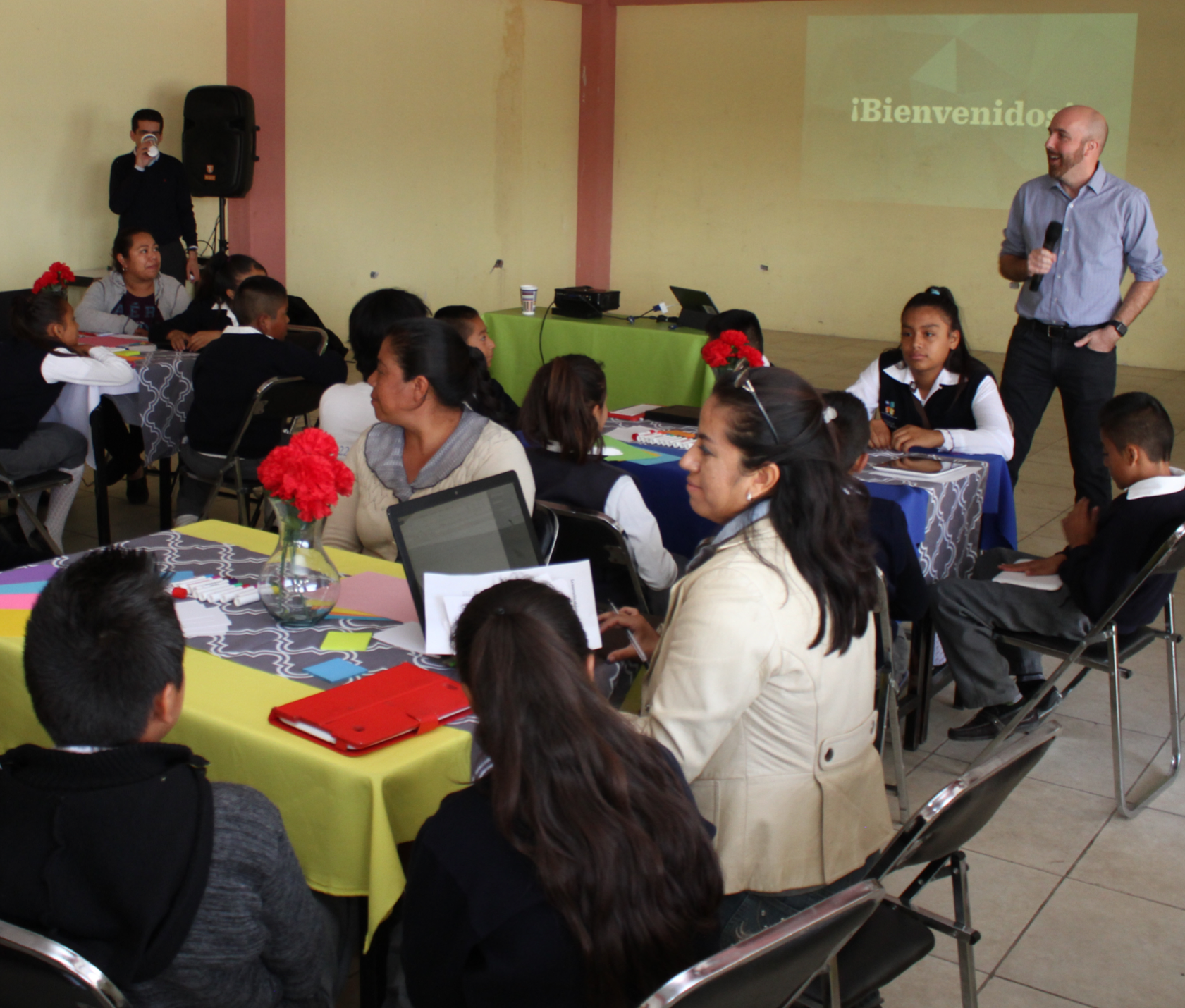
Educational innovation in Puebla

Education Futures and Fundación Ceibal (Uruguay) are pleased to share the outcomes of their 2-month research project for the Secretary of Public Education of the State of Puebla (“SEP-Puebla,” Mexico). Dr.

Read article

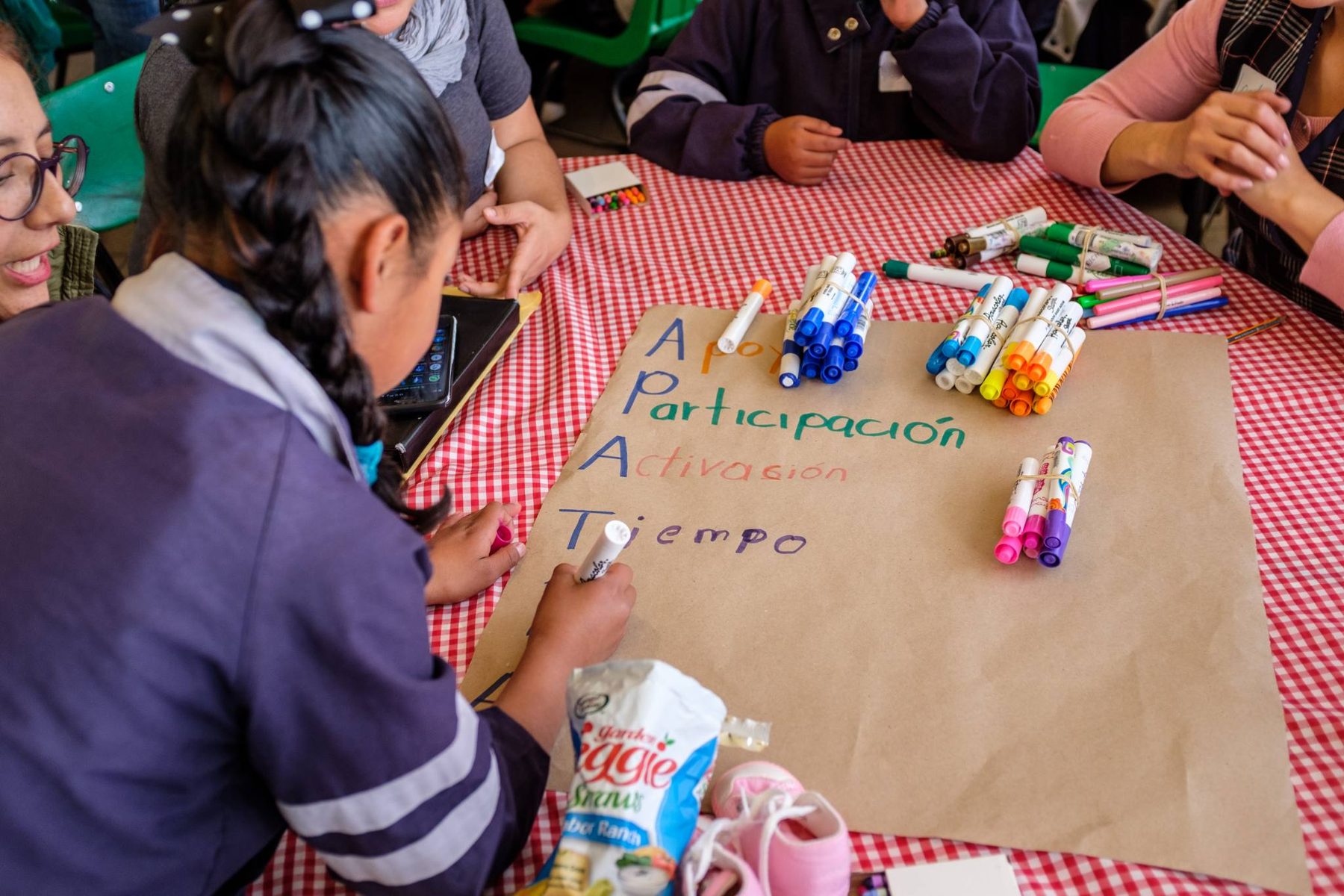
Educational innovation in Puebla

This project creates a participatory roadmap for educational innovation in Puebla, Mexico. It grounds recommendations in the voices and experiences of students, teachers, and other education stakeholders.

Read article

Creative classrooms in Patagonia

Education Futures founder, John Moravec, had the pleasure of visiting with the Ministry of Education in the Province of Chubut, Argentina for Aulas Creativas on February 27-28 this year. The program team recently published this excellent video, which outlines new perspectives for thinking about education.

Read article

Knowmads on Umbrales

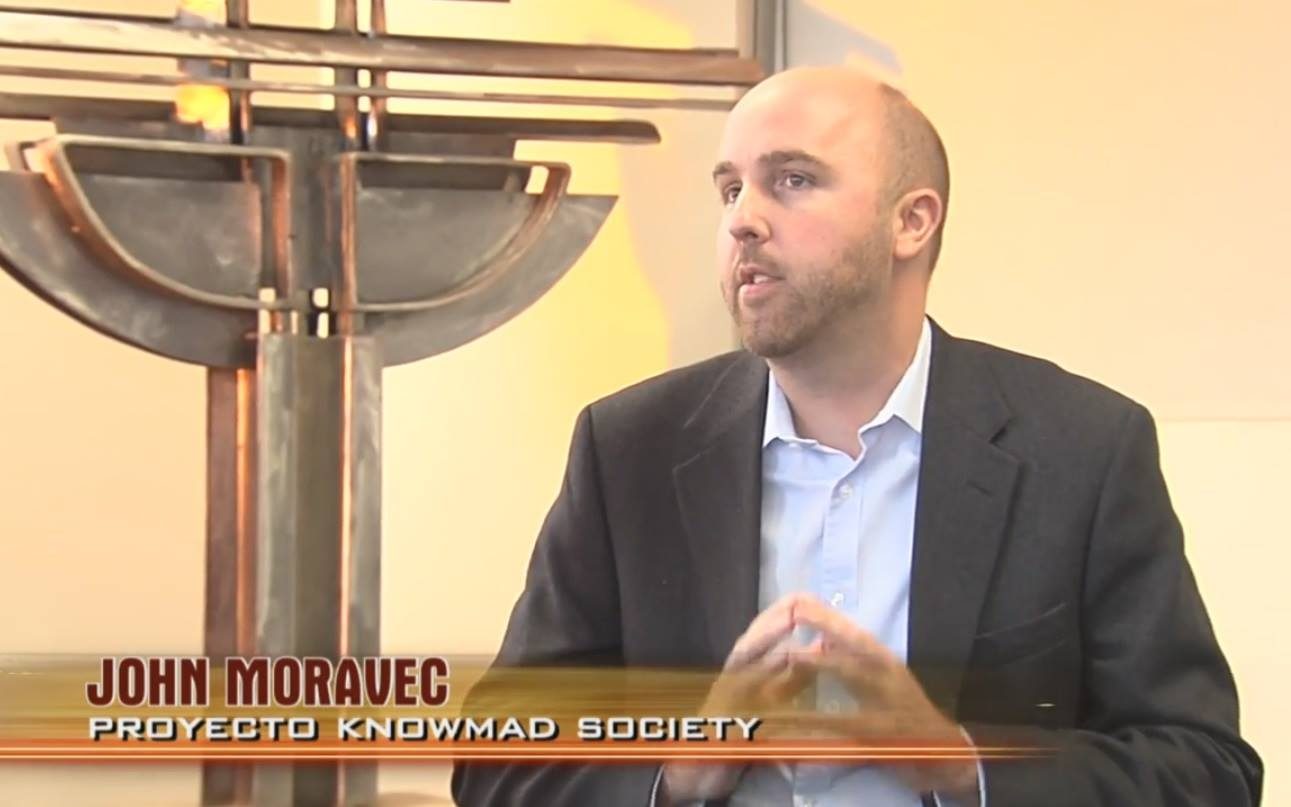
Last week, the Peruvian television program “Umbrales” (TV Perú) broadcasted a program on knowmads in Peru and Latin America. Dr.

Read article

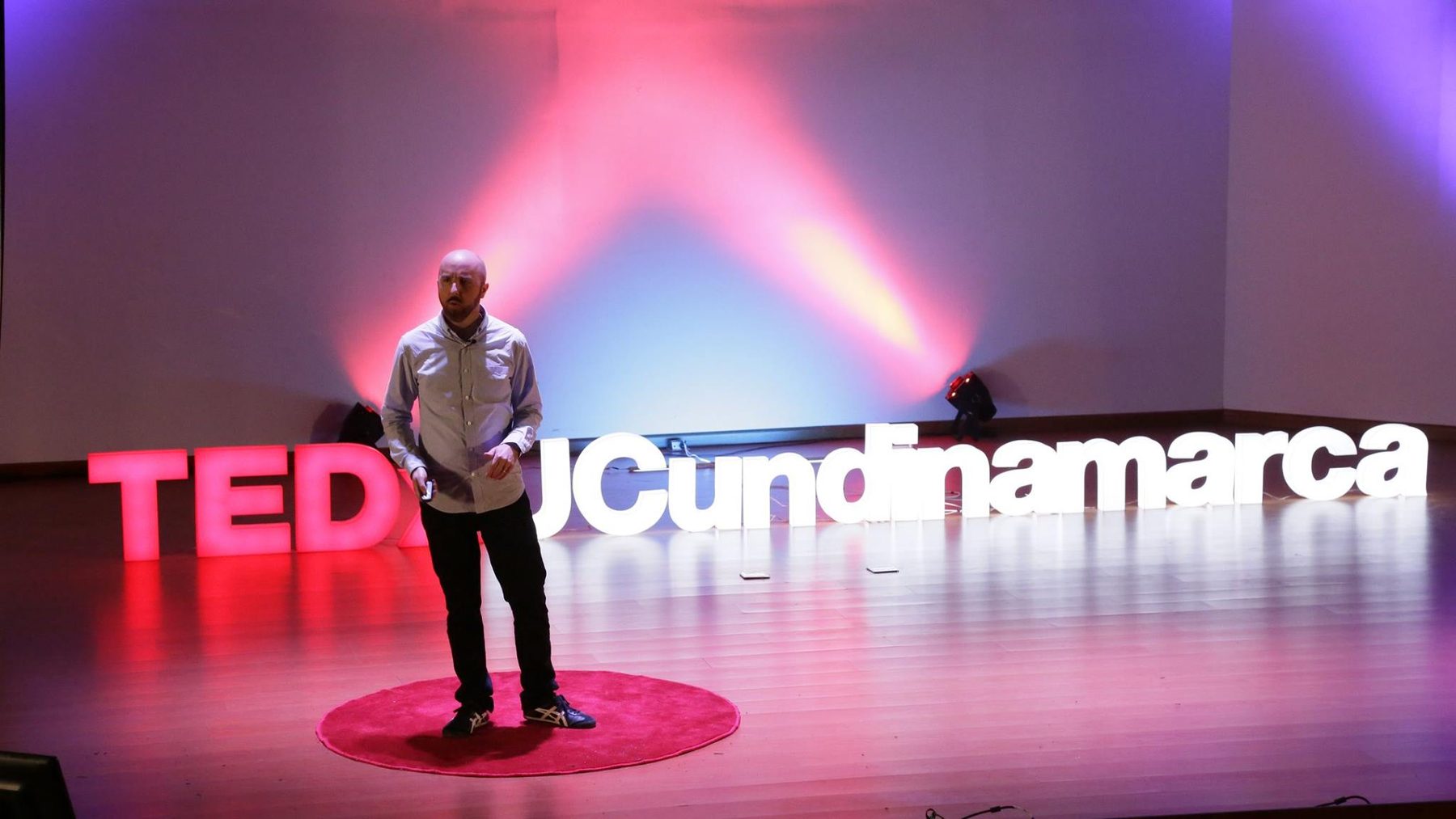
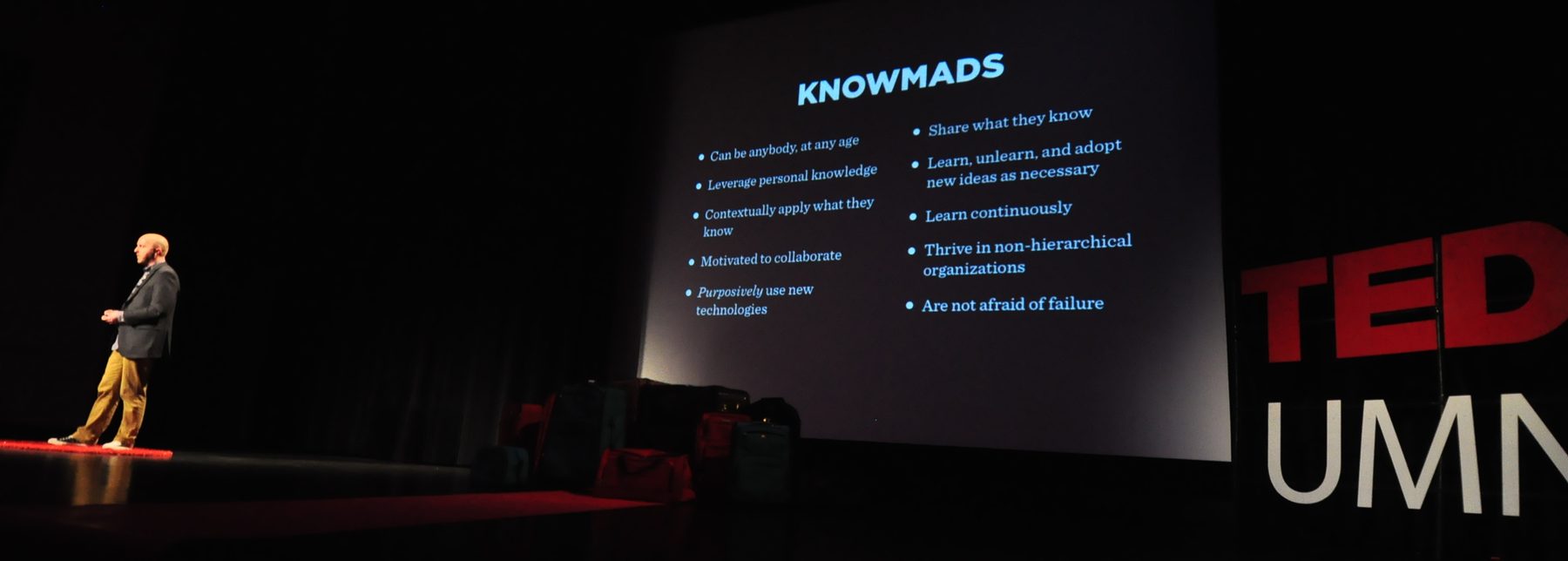
Rise of the Knowmads: John Moravec at TEDxUMN

Knowmads are nomadic knowledge workers –creative, imaginative, and innovative people who can work with almost anybody, anytime, and anywhere. The jobs associated with 21st century knowledge and innovation workers have become much less specific concerning task and place, but require more value-generative applications of what they know.

Read article