Workshops and masterclasses for building new education futures
Education systems do not need more small adjustments to broken assumptions. They need spaces where people can question inherited models, confront emerging realities, and design something better.
Education Futures designs workshops and masterclasses for educators, leaders, policymakers, and institutions that want to move from critique to action. Drawing on ideas explored in Manifesto 25 and Build a Positive Rebellion: Create New Education Futures, these engagements help participants examine the futures they are preparing for, identify what must change, and begin building practical responses in their own contexts.
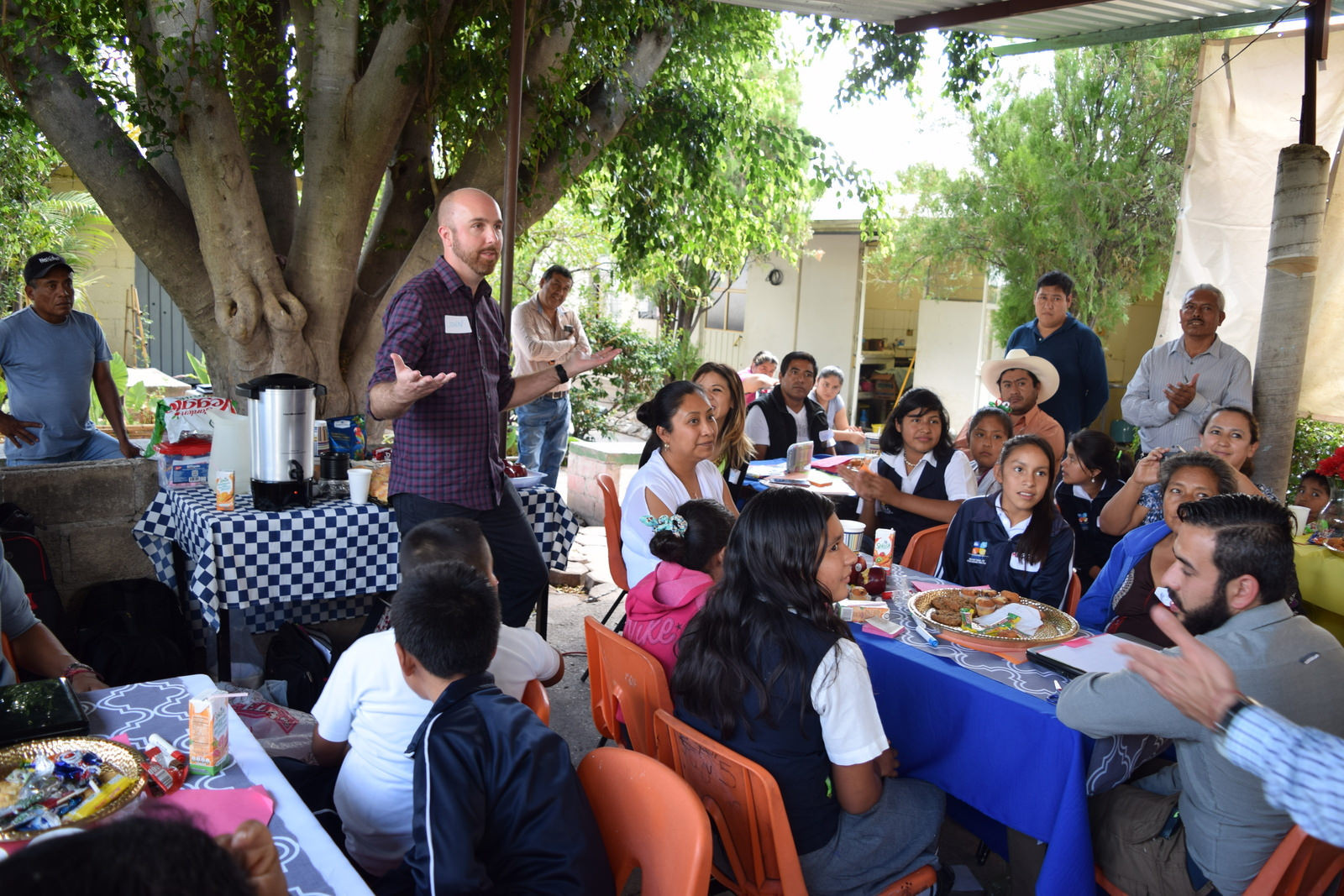
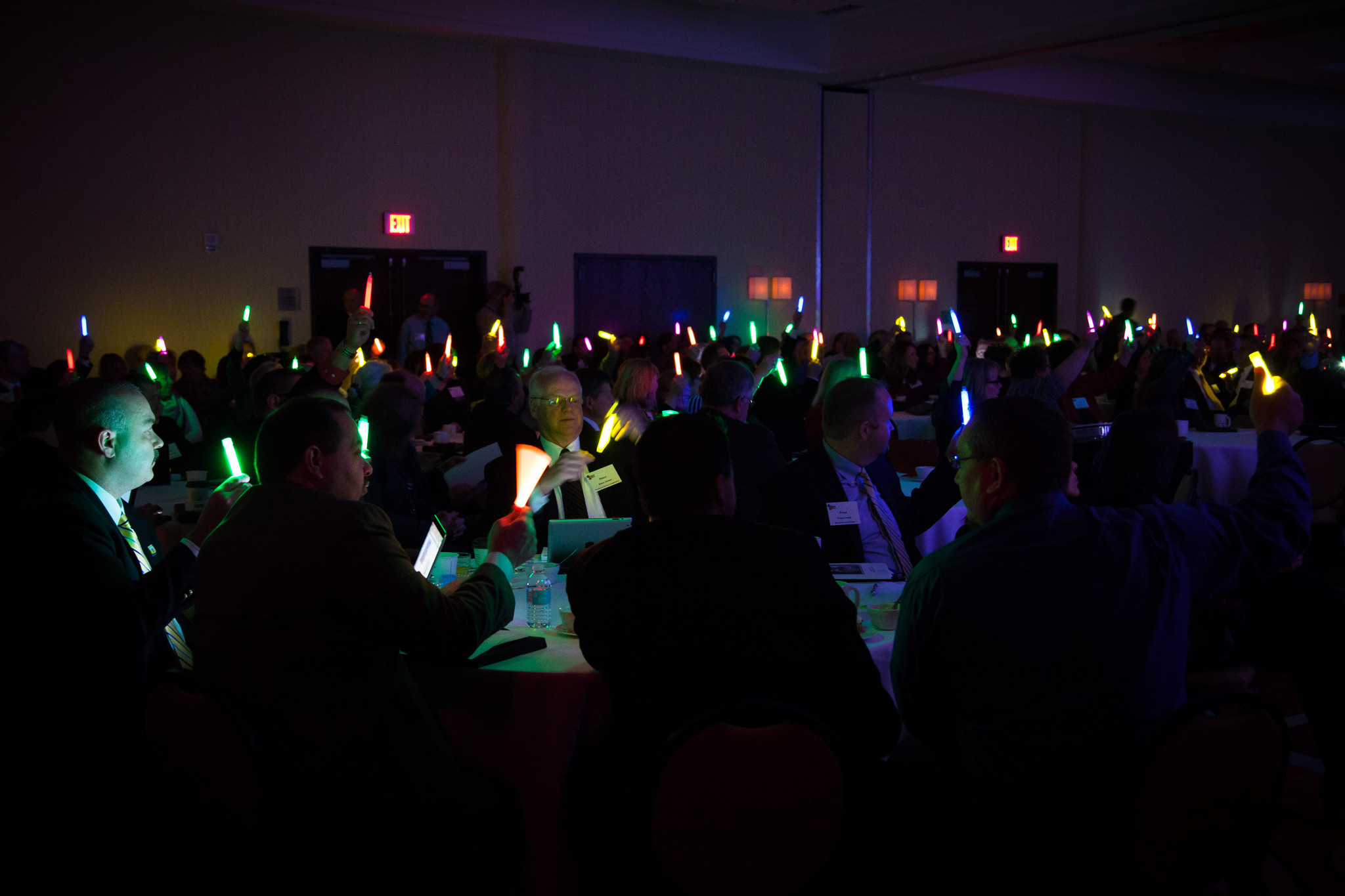
Our sessions are not lecture-driven events built around passive listening. They are structured, collaborative experiences that combine research, foresight, reflection, and design. Participants work with real challenges, test new ideas, and leave with clearer questions, stronger frameworks, and concrete next steps.
Whether you need a focused workshop, an intensive masterclass, or a longer blended engagement, Education Futures can design and facilitate a program tailored to your institution. To start a conversation, write to [email protected].
What participants do
Across formats, participants engage in a process that moves from understanding to design:
- Clarify the challenge or opportunity they want to address
- Examine emerging trends, tensions, and plausible futures
- Question inherited assumptions about learning, leadership, and institutions
- Develop ideas, prototypes, or pathways for change
- Identify actions that can be implemented in their own context
This work can support institutional strategy, curriculum redesign, leadership development, policy dialogue, innovation planning, or community-based inquiry.
Core pathways
Each engagement is customized, but our workshops and masterclasses often focus on one or more of the following pathways:
- Building new education futures
Participants explore what education is for, what kinds of futures they are preparing learners to enter, and how systems might move beyond industrial-age assumptions. - Invisible learning and new ecologies of education
These sessions examine how learning occurs across formal, non-formal, and informal contexts and how institutions can respond to a broader ecology of human development. - Knowmads, creativity, and the future of work
Participants investigate how work is changing and what this means for learning, leadership, adaptability, and the creation of value in networked societies. - Foresight, scenario development, and futures thinking
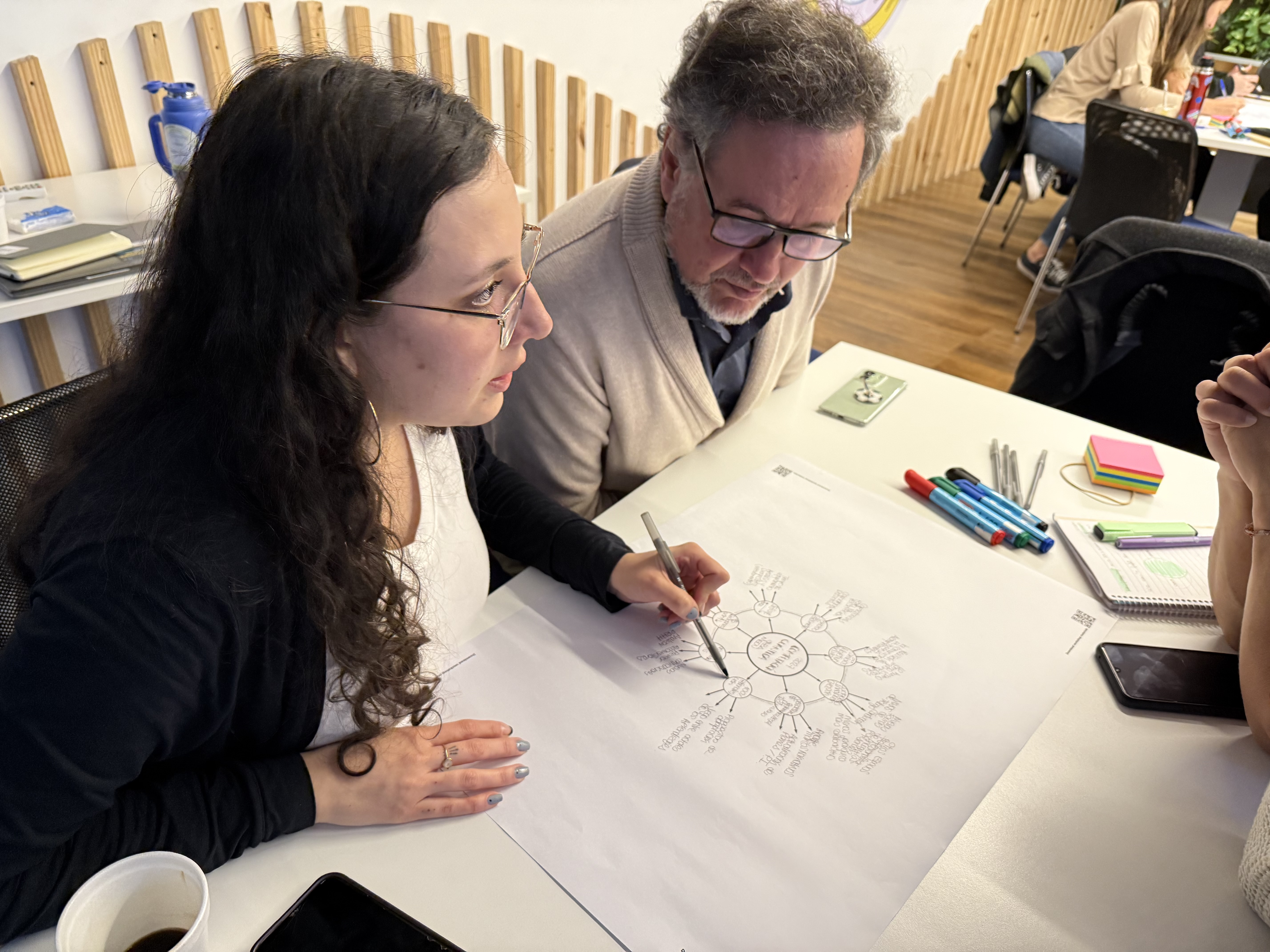
Using structured methods such as horizon scanning, futures wheels, and scenario work, participants examine plausible futures and identify strategic responses. - Innovation, leapfrogging, and organizational change
These workshops focus on how organizations can bypass legacy constraints, identify opportunities, and develop new approaches to learning and development. - Participatory inquiry and the Knowmad Café
For groups interested in collaborative research, these sessions introduce participatory approaches for surfacing local knowledge, shared concerns, and new possibilities for action.
Formats
We offer flexible formats depending on the goals, depth, and timeline of the engagement:
- Half-day workshop: a focused session built around one key challenge or theme
- Full-day workshop: a deeper collaborative process with structured activities and group work
- Two-day masterclass: an intensive experience that combines conceptual framing, design work, and project development
- Extended or blended masterclass: a multi-day engagement with continued online participation, feedback, and follow-through
Longer formats may include facilitated online work after the live sessions so participants can continue developing ideas and projects beyond the workshop itself.
Our method
We treat workshops as working sessions, not presentations. A typical engagement begins with a short framing input to establish shared language and context. From there, participants move into guided discussion, collaborative inquiry, design exercises, and synthesis.
We often ask participants to work with questions such as:
- What problem are you trying to solve?
- What future are you preparing for?
- What assumptions need to be challenged?
- What can you begin designing now?
The goal is not to produce temporary enthusiasm. It is to help participants generate insight, build shared understanding, and leave with something they can use.
Lead facilitator
Dr. John Moravec is an author, researcher, and founder of Education Futures LLC. His work explores the future of education, invisible learning, the rise of knowmads, and the transformation of educational systems in times of uncertainty and change.
John has delivered invited talks, workshops, and masterclasses around the world for universities, governments, schools, and international organizations. Education Futures engagements draw on this experience to create sessions that are intellectually grounded, participatory, and designed for practical relevance.
To discuss a workshop, masterclass, or strategic engagement, contact [email protected].