
Education systems were designed for a world that no longer exists.
Artificial intelligence, demographic shifts, political polarization, climate pressures, and changing expectations about work are reshaping the conditions under which people learn, teach, and create value. Many institutions recognize the need for change but struggle to distinguish temporary trends from deeper structural shifts.
Education Futures helps schools, universities, governments, foundations, and international organizations understand what is changing, what matters, and what to do next. Our work combines research, strategic foresight, design, and implementation support to help organizations move beyond reactive adaptation and toward deliberate transformation.
Over the past two decades, we have contributed to projects, research, workshops, and strategic initiatives across diverse educational, cultural, and policy contexts. Our collaborators have included ministries of education, universities, schools, nonprofit organizations, UNESCO, the World Bank Group, and numerous educational networks around the world. This global perspective allows us to identify patterns that cross systems while remaining attentive to local realities.
We focus on questions that sit beneath immediate policy and institutional challenges. What is education for in a time of accelerating technological and social change? What human capacities matter when work, citizenship, and knowledge are being reshaped? How can institutions move from reactive adaptation to purposeful transformation? These questions influence policy decisions, organizational strategy, curriculum design, and investment priorities.
To inquire about keynote talks, research, consulting, or workshops, contact [email protected].
Keynote talks and public speaking
Sometimes the most valuable contribution is not a report or consulting engagement. It is helping people see a challenge differently.
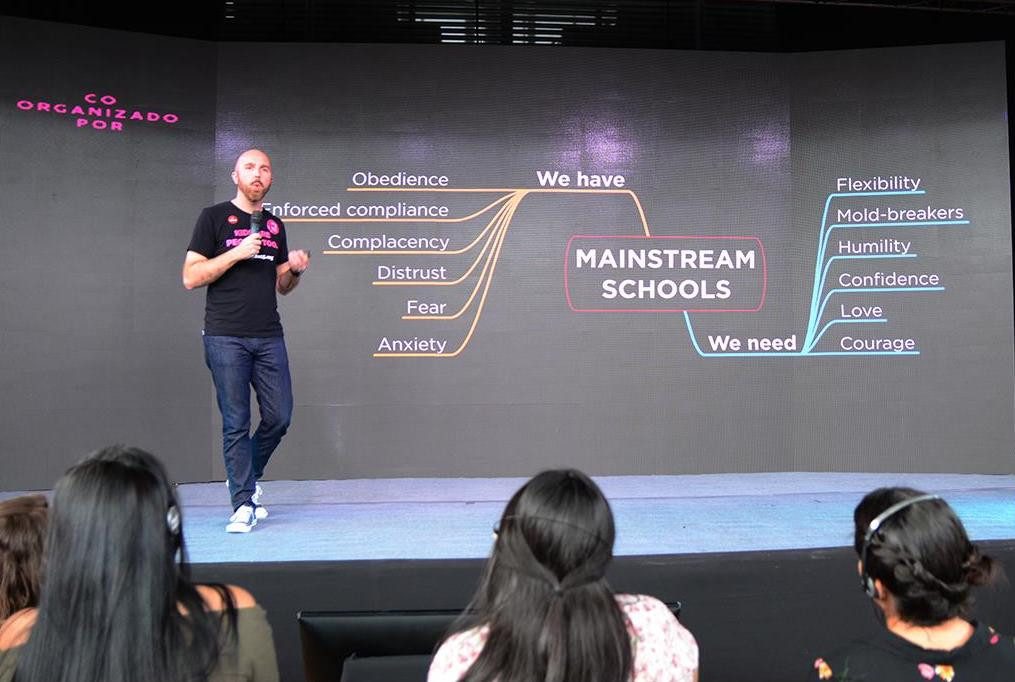
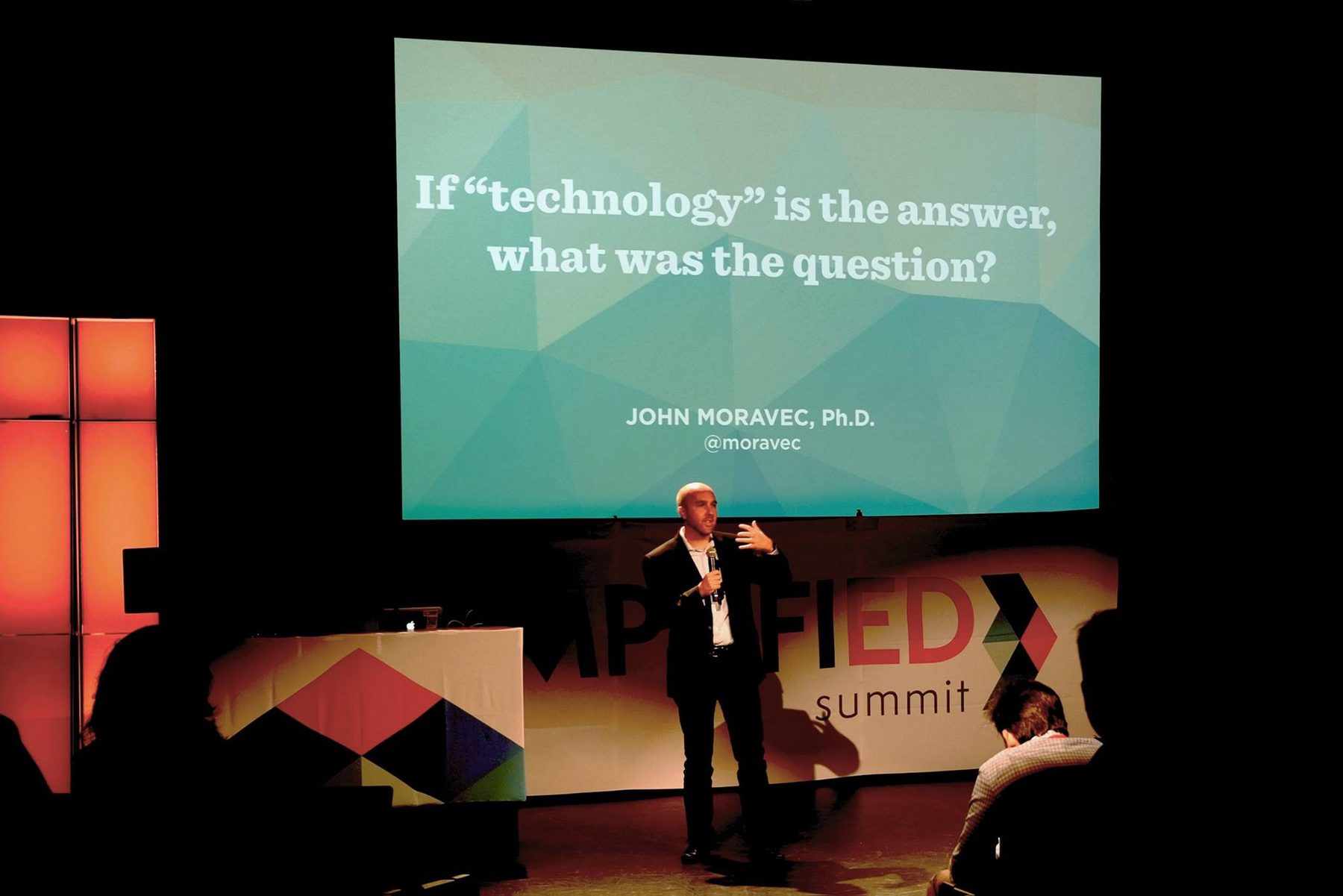
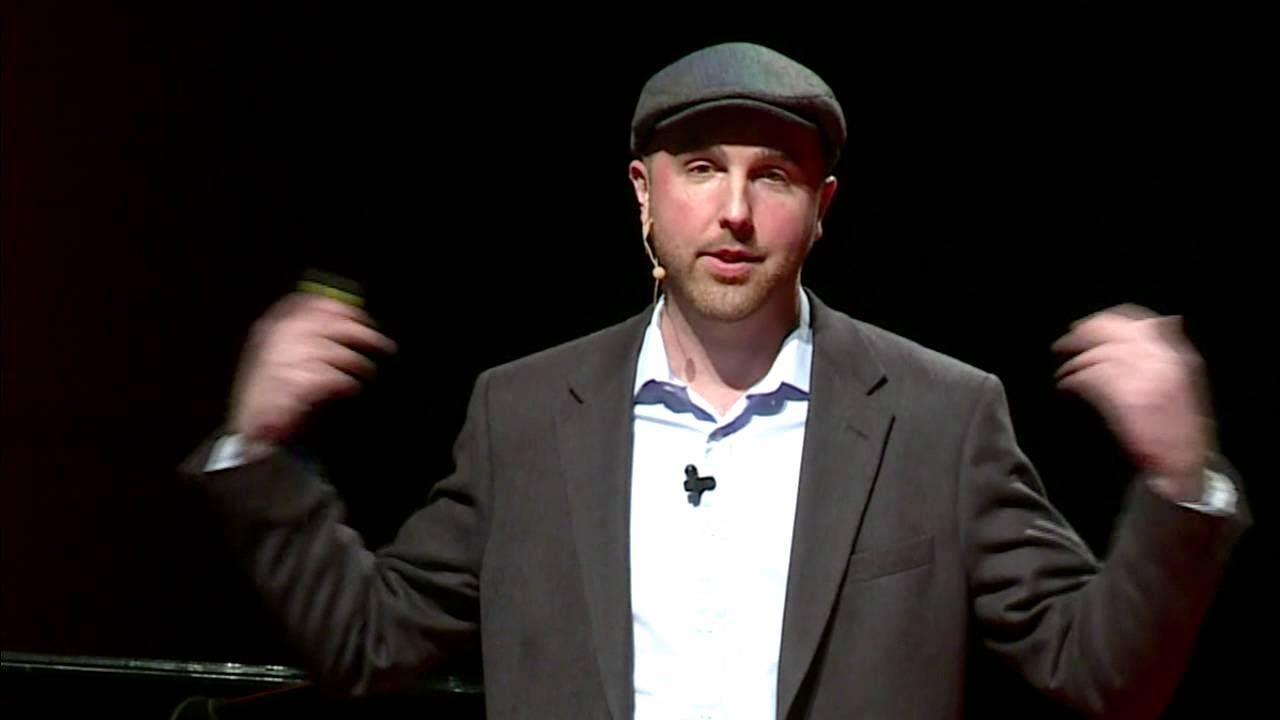
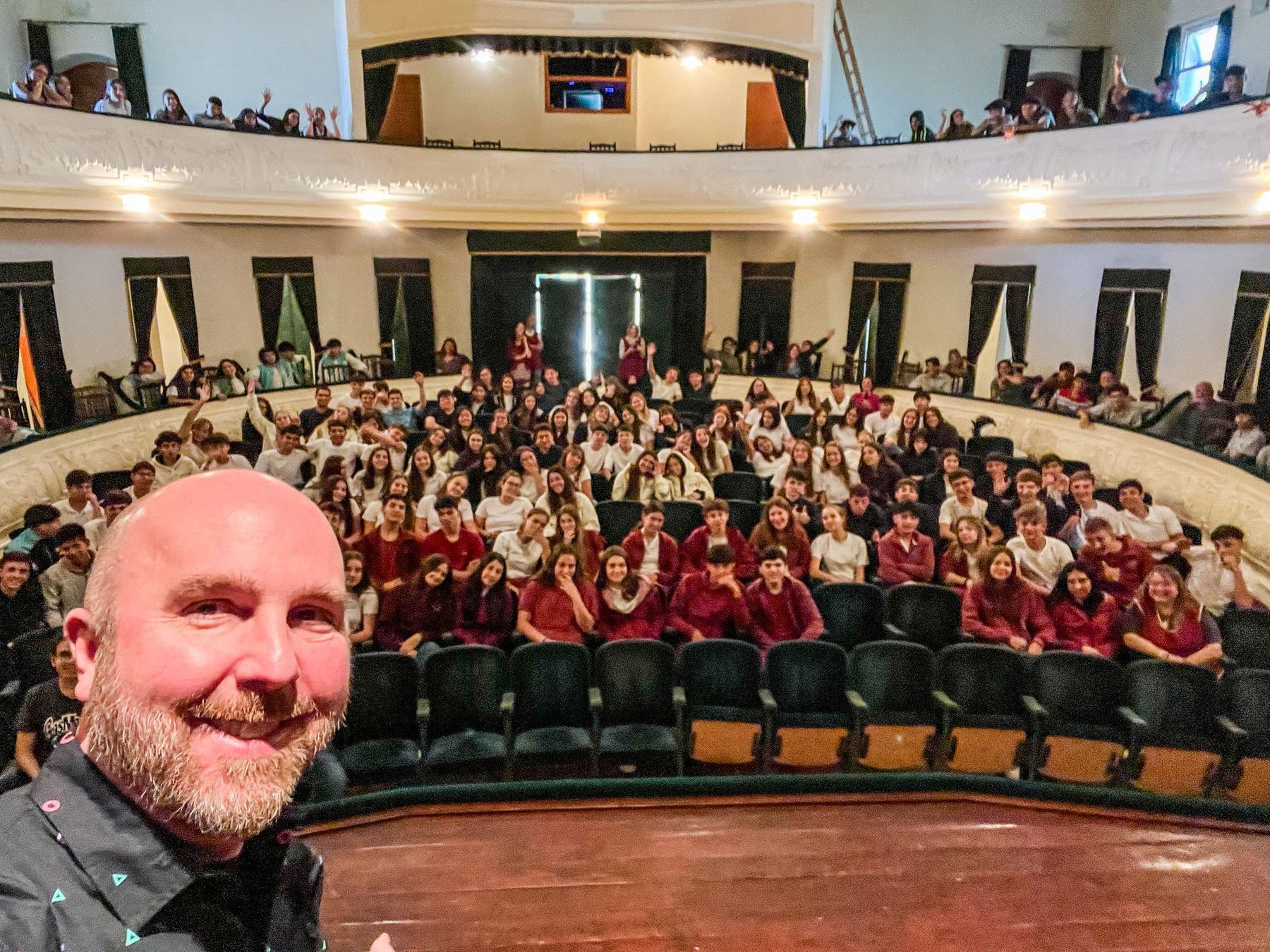
Education Futures contributes to public and professional conversations through keynote talks, strategic briefings, conference presentations, panels, and invited lectures. These engagements explore how technological change is reshaping learning, work, institutions, and society, while helping audiences understand the practical implications for their own contexts.
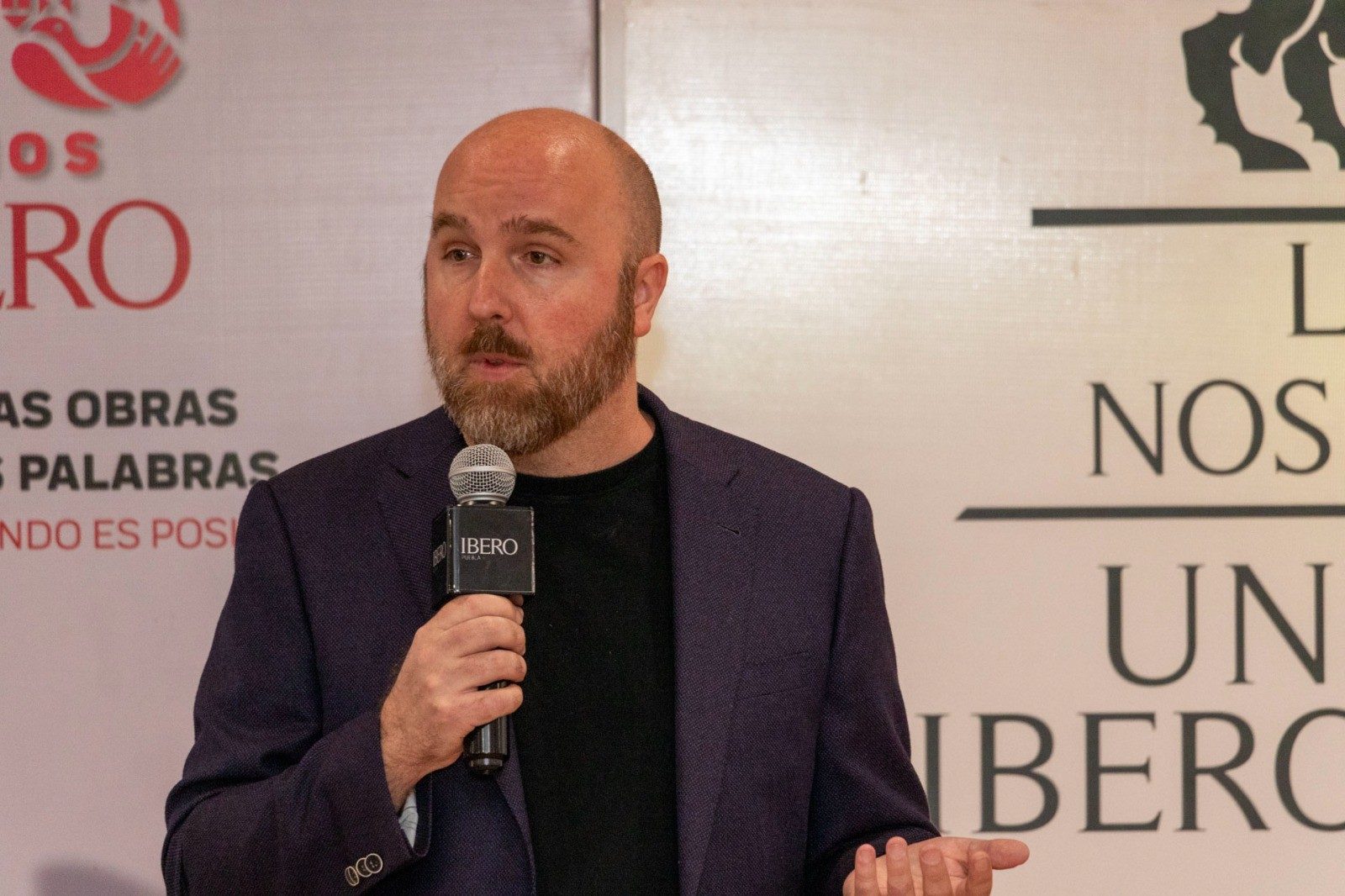
John Moravec has delivered invited talks and workshops for universities, ministries of education, professional associations, international organizations, and conferences across Latin America, North America, Europe, Africa, and Asia. His work draws on experience as a consultant to the World Bank Group, founder of Education Futures, and Editor-in-Chief of Learning Futures and Emerging Technologies.
Keynotes can stand alone or serve as the beginning of a broader engagement, helping organizations develop shared language, identify critical tensions, and frame the questions that matter most.
John Moravec
John W. Moravec, Ph.D. is an education futurist, author, researcher, and international consultant. He is Founder and Principal of Education Futures, a consultant to the World Bank Group’s Education Global Practice, and Editor-in-Chief of Learning Futures and Emerging Technologies.
John is widely known for developing the concept of the knowmad and for co-authoring Invisible Learning, one of the most influential works exploring learning beyond formal educational environments. His more recent work focuses on artificial intelligence, educational sovereignty, futures thinking, educational transformation, and the design of systems that support human flourishing in times of rapid change.
Speaking engagements combine strategic foresight, research, practical examples, and audience engagement. Sessions can be designed as keynote addresses, executive briefings, facilitated discussions, workshops, or contributions to larger organizational processes.
How we work
Research, foresight, and design are often treated as separate activities. We see them as parts of the same process.
Our work begins by understanding current realities through research and inquiry. We then examine the forces and uncertainties likely to shape future conditions. Finally, we work with partners to develop, test, refine, and implement responses. This approach helps organizations avoid reacting to symptoms while overlooking deeper structural change.
Depending on the context, our methods may include interviews, surveys, mixed-method research, policy analysis, scenario development, Delphi processes, participatory inquiry, strategic foresight, design thinking, and collaborative planning.
We also draw on community-based approaches such as the Knowmad Café, which helps organizations surface diverse perspectives, generate qualitative insight, and build shared ownership around complex challenges.
What we help organizations do
Organizations often know they need to change. The challenge is determining where to focus, what to prioritize, and how to move forward with confidence.
-
Develop future-ready education and workforce strategies
-
Design innovative learning models, credentials, and pathways
-
Evaluate policies, programs, and educational initiatives
-
Build institutional capacity for innovation and change
-
Explore the implications of artificial intelligence and emerging technologies
-
Create foresight-informed plans for uncertain futures
-
Facilitate stakeholder engagement and collaborative design processes
-
Translate research and evidence into practical action
Our work spans educational transformation, futures-oriented planning, innovation in learning and assessment, human capital development, organizational change, and the social implications of technological disruption.
A recent example is the Global Education Futures Readiness Index (GEFRI), which examines how countries are positioned to respond to emerging educational and societal challenges. Related analysis and commentary connect comparative data to broader questions of policy, innovation, and educational futures.
Research and consulting
Most organizations do not maintain dedicated capacity for futures research, system-level analysis, or experimental design. Education Futures works as a strategic partner that extends that capacity while helping institutions strengthen their own ability to anticipate, interpret, and respond to change.
We collaborate on projects such as policy and program evaluation, trend and scenario analysis, curriculum and credential design, organizational innovation, strategic planning, and research initiatives. Some engagements focus on understanding a challenge and generating evidence for decision-making. Others focus on designing and implementing solutions.
Our goal is not simply to deliver recommendations. It is to help partners build the internal capability to navigate uncertainty, make informed decisions, and create more resilient futures.
Workshops and strategic engagements
Workshops provide a structured space for organizations to move from broad concerns to practical action.
We design and facilitate sessions that combine research insight, futures thinking, collaborative inquiry, and strategic planning. Topics may include artificial intelligence and education, future-ready learning systems, emerging trends, futures methods, leadership, organizational innovation, educational transformation, or the redesign of learning models and institutional strategy.
Depending on the need, engagements may range from a single facilitated session to a multi-stage process involving research, stakeholder consultation, foresight activities, and action planning.
The objective is not simply to generate ideas. It is to create shared understanding, identify meaningful opportunities, and build momentum for change.
Selected clients and partners
Education Futures has contributed to projects and initiatives with ministries of education, universities, schools, foundations, nonprofit organizations, UNESCO, the World Bank Group, and educational networks across the Americas, Europe, Africa, the Middle East, and Asia.
To inquire about keynote talks, research, consulting, or workshops, contact [email protected].